I’m kind of perplexed at all of these anecdotes from people who tried fasting and assume their experience to be definitive for everyone.
If someone is in a state of metabolic dysfunction, commonly due to unfit mitochondria, they’ll be unable to utilize energy from fat as well as a young, fit person. Their body is adapted to having access to carbs at all times. Some people call the opposite being “fat adapted”. During a fast, after they’ve burned through all their glycogen, fit mitochondria can still dependably access stores of energy from fat, of which we normally have plenty.
I would bet the people who never stop being hungry during a long fast are experiencing the effects of metabolic dysfunction due to a phenotype acquired from living in the high carbohydrate, frequent access to food environment that is modern living in a first world country, especially if America. I would bet money on measuring a different RQ for the two groups, both normally and during a fast.
My hunger seems to stabilize at very hungry after about two days.
This is some spartan discipline.
I hope LDS burns in hell, whoever they are.
Impressive if you did training while fasting btw!
Many studies have proven that:
1. Driving ability is impaired by alcohol consumption (or lack of sleep, incidentally)
2. People are very bad at estimating how severely impaired they are (wrt being drunk or kust tired)
Are there any similar studies around ability to mentally focus / perform physical activities while fasting?
After adjusting to rare meals I 100% feel better after 8 hours of not eating than when I eat often.
Do you spend physical effort during that time? Eg. exercise, move heavy stuff, intensely walk. (I don't)
Also what do you eat/drink before you fast.
However make one exception, and hunger comes back immediately. Hard to get on those diets (hunger only goes away after a week) and stay on those diets (one exception, a loving mum who thinks it's not healthy, christmas, etc, and the diet is dead).
If I skip food after (early) dinner and don't think about it more I can easily skip breakfast the next day and then I can easily skip lunch, dinner and supper the following day.
If I start to think about or expect food however I think I can easily get in trouble.
Disclaimer: I have only done this for 4 or so days.
I've never felt "not hungry" during a fast. I think "I don't even feel hungry" is something people just say to cope. More like a mindset than an actual feeling.
I think my normal sense of smell is not great, but when hungry... It's just glorious.
This is based on the experiences that I've seen (as my comment before) derived from reading 10s-100s of people's experiences about fasting on Reddit groups over the years. Not scientific, but also not taken from thin air.
This is on same level of single use clothes
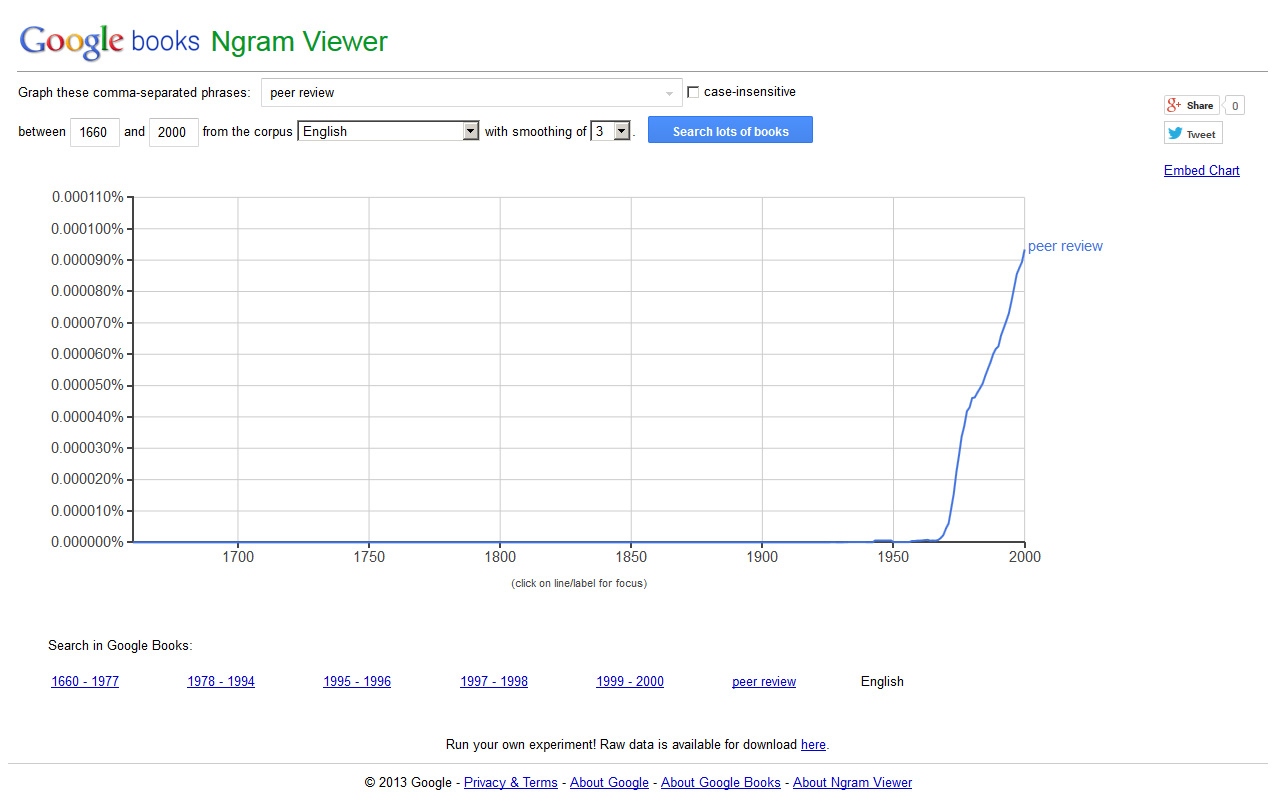
but looking at the criticism and history sections of the wikipedia page will cover it in more detail. It basically promotes gatekeeping and group think, as seen with the Alzheimer's research issue which wasted billions of dollars and slowed progress by decades via effectively an academic cartel. Funding becoming tied to publication which relies on peer review made things worse
Can you clarify where you beleive trillions were spent as a result of bogus social research?
HN loves to critique psych research without understanding that once you're above chemistry in the complexity hierarchy, these problems are everywhere.
Fasting is a common religious practice because it is both a challenge and a discipline. To get good at fasting, you have to work to unlearn habits of instant gratification and learn to consciously lean against the urgings of the body. A fasting practice develops real skills.
It's perfectly plausible to me that Ramadan-observing judges would better at judging while hungry while non-fasters would get worse. So this article's author is doing exactly what he criticizes: assuming his naive model is the only explanation.
I don't know for judges, but I live in a dominantly religious society and I haven't noticed the virtues promised by observing strict religious fasting. In fact, people have been jailed by (probably fasting) judges for eating out of sight [1].
[1] https://www-lepoint-fr.translate.goog/monde/algerie-2-ans-de...
Now I am not saying I agree with this law, I am Christian and according to how I and those I live with practice it, fasting is strictly individual, something I personally would even try to hide according to Jesus words in Matthew 6. 16, 17 and particularly 18:
> «that thou appear not unto men to fast, but unto thy Father which is in secret: and thy Father, which seeth in secret, shall reward thee openly.» Matthew 6:18 KJV https://bible.com/bible/1/mat.6.18.KJV
Maybe expressing that you're fasting could be seen as bad. As if you're trying to boast about it, how you're better then others.
Which made me that, if people that eat a vegan diet (or similar) kept it to themselves and not force it onto others, then perhaps there wouldn't exist the culture of "I ate a steak in front of vegans" or "I don't mind if you're vegan, but please let me eat in peace".
Each of these might have value on their own, but God will only reward us if we do it for him instead of doing it to seek the glory of men.
Since the non-fasting hours include a night of sleep, that schedule sounds pretty rigorous to me. Americans typically have an eating window of 12-15 hours, eating 5 times per day: https://www.ncbi.nlm.nih.gov/pmc/articles/PMC8705992/
It's of course no surprise then that most Muslim cities see the maximum amount of food wastage, and most Muslims the maximum weight gains during the month of Ramadan. Not to mention how overworking the ladies of the house in preparing the Iftar , while the men laze around, seems to be a common theme transcending across cultures. And I say these as a Muslim.
In my opinion, water fasts make more sense than silly daylight fasting. My stomach seems to agree with that too - Ramadan always seems to exacerbate my auto-immune condition.
I have been working remotely for 15 years, that’s how I like it. But the two years of pandemic with forceful social distancing were really hard.
> "longer fasts – and thus, presumably, greater hunger"
As anyone who has fasted for probably any reason can tell you, the longer the fast the less hungry you are overall AFTER an initial peak. Meaning, miss a meal and you are hungry, miss two and you become very hungry, but miss X* amount of meals and your hunger actually decreases. At some point you can go for days without any hunger at all.
Similar things happen with OMAD (one meal a day) fasting, which is arguably very similar to the mentioned Ramadan, the body gets used really fast* to the new regime and you stop being hungry outside the normal meal hour(s).
* the time specifics depend on many things, mainly on the type of meals you eat before the fast (e.g. sugars/carbs = worse withdrawals) and multiple other factors, but overall seems to be true this peak hunger happens and then hunger decreases.