I disagree. When connecting an HDMI cable I sometimes have issues, especially if in a weird angle.
However I do concede is faster to connect an HDMI than a USB
Display port has a much more usable design, with a chamfer that is about twice the size as HDMI.

It does not really matter though, they are very similar in construction, and are very sturdy, and I really like them both :)
Edit: ninja'd by an enormous amount of people elsewhere in the thread, gah.
Does everyone follow the standard? No. Including big names that prefer to have their logo facing up.
For some values of "top"; that is, some device manufacturers install the socket upside-down.
I've definitely cursed many times failing to plug in non-rectangular VGA, serial and parallel cables ;)
[edit: it is still better, but not a panacea]
https://ae01.alicdn.com/kf/HTB1XeKTDHSYBuNjSspiq6xNzpXae.jpg...
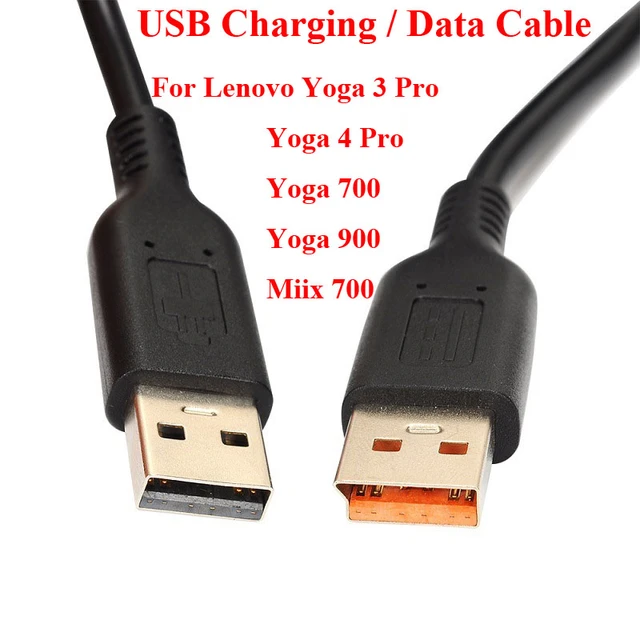
imgur mirror https://i.imgur.com/RQvMfhT.png

random newegg link: https://www.newegg.com/p/2MV-00MD-00DX3
It's so bad it takes me 3 attempts to plug in USB-A blind, at least 50% of the time.
Given how Mini-USB looked I'm gotta say nobody there had any clue about designing connectors...
Hyperbole aside, there are some very good reasons to go with round connectors, it can be very strong and you can put a big nut on them to have an extremely secure lock. however the PS2 connector is nether of these things, It would require a much more robust key to work well.
The worst connector I ever encountered was on a old ATI capture card, it was the same barrel as a ps2 connector but had about 15 pins. Everything had to be perfect for it to insert, a tiny scratch or a slightly bent pin, it was not going anywhere.
The Apple desktop bus (ADB) that was used for keyboards and mice in Mac-land was also round. They improved it by using asymmetrical plugs, which marginally helped.
Not really sure that that's USB's fault so much as a lack of front USB ports. I think in those cases the consumer can chose to get some sort of hub that's easier to access/can be pulled out from behind their setup.
Now that C exists though, idk if we really need to go much further. Connector much smaller than it is now will become fragile.
I've always thought they could add a single fiber core to USB cables for some "ultra high speed" standard, since USB4 is predicted to top out at 80GBps, but we could get 50Tbps or so over a single fiber if we really needed to.
But after owning several fiber cables, for networking and HDMI fiber based cables...yeah they're far, far too weak to replace copper. Just look at 'em wrong and they snap/break.
Plus tbf if we get 80gbps from usb4...the problem then becomes that we don't reaaaally have a use case for that speed. Maybe network adaptors, but beyond that...I mean a modern SSD will saturate that with a sequential read I suppose, but still.
All they had to do was make the connector have a non-symmetrical shape so that it's immediately obvious which way round it goes when you pick it up - you could do it without even looking. Think of how much time we'd have collectively saved with this minor design change.