I had a friend with an old old powerbook and the key shape reminded me of a thinkpad.
They can do it, but the flat short throw keys are too form over function.
https://upload.wikimedia.org/wikipedia/commons/7/76/MacBook_...
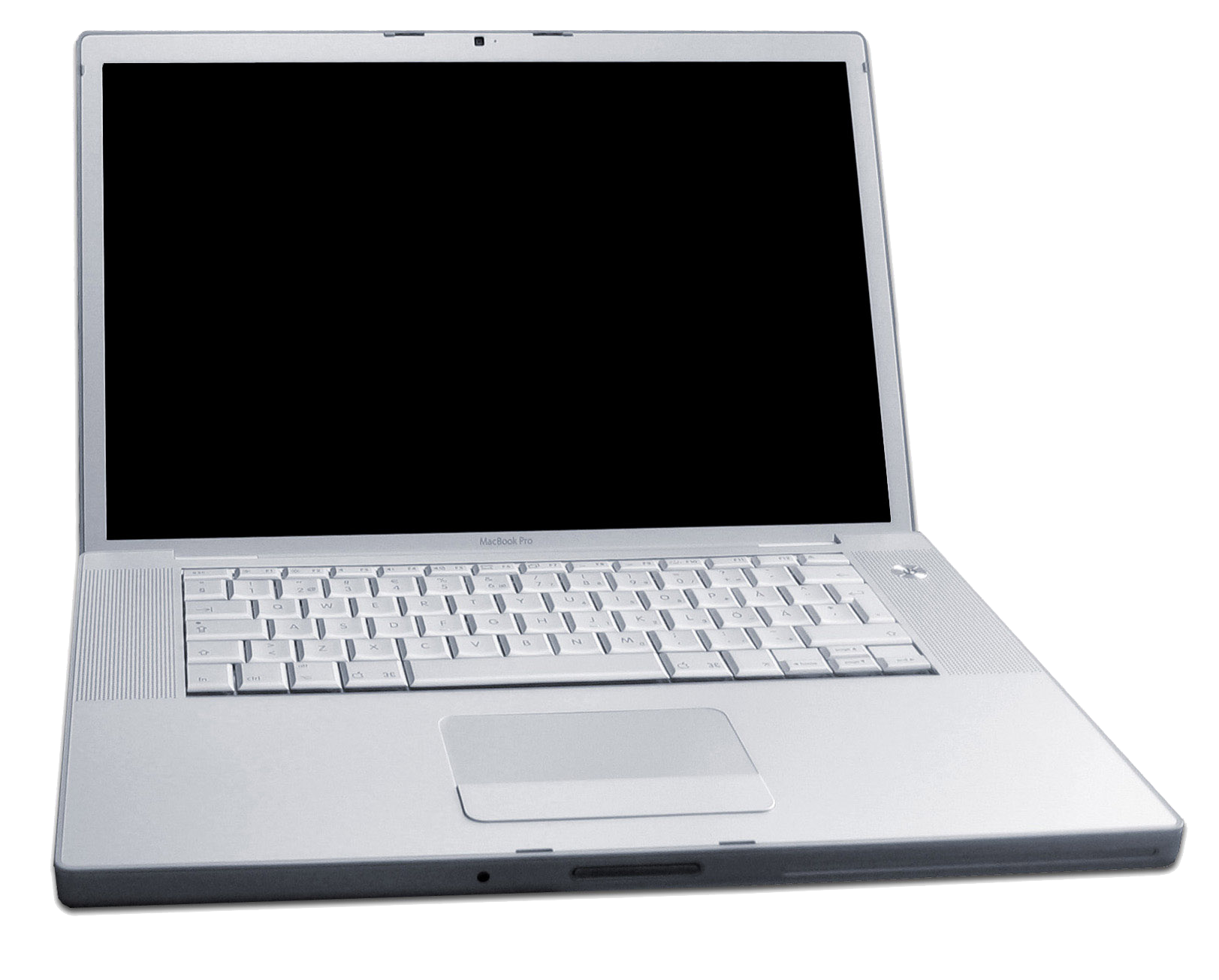
The 2016 keyboard fiasco was too far for me though, and even now with my 16" 2019 mac with the "fixed" keyboard, I still prefer the wireless 2014 model, or the KB from my 2014 MBP.
they WILL compete, and they've been playing leapfrog with AMD for years.
I'm waiting to see the intel response for the new 32 and 64 core chips from amd.
Yes they have. It's why we have 10+ hour thin & light laptops. The quad-core i5 in a macbook air runs at 10W, that's comparable per-core power draw to an A13.
Controlling the CPU will give Apple more controls to tune total-package power, particularly on the GPU / display side of things, but CPU compute efficiency isn't going to be radically different, and that's not going to translate into significant battery life differences, either, since the display, radios, etc... all vastly drown out low-utilization CPU power draw numbers.
I'm guessing the switch is for those reasons, plus a more important one (my opinion only), control.
If they use their own chips, they're not stuck waiting on Intel (or any other x86 CPU manufacturer) to build CPUs that have the attributes that matter to them the most.
I wouldn't imagine just upping the vcore and the frequency clock will just magically make it faster and compete at the same level as an intel chip.
I'm deeply skeptical as a developer, you -will- get compiler errors, and it's going to suck for a while.
Isn’t this the exact concept of the VAG EA888 motor used in the Audi A4 and extended all the way up to the S3?
That said, the rumored chip is an actively cooled 12 core 5nm part which is more like an RS3 motor with extra cores/ cylinders
Having said that, I think the top requirement for most laptops is that "it's gotta run what I need it to run on day one".
For a huge amount of light users, ARM Macs are going to satisfy that requirement easily.
Once you move up the food chain to users with more complicated requirements, however, it's less of a slam dunk... for the moment.
I guess its all trust that Apple can pull it off and there's no detailed rumors yet?
Since normal processors calculate a lot of important things, I'm wondering if there really are fewer lives at stake. Of course it would be more indirect, but I could imagine that there are many areas where lives are tied to PCs doing the right thing.
E.g. what if a processor bug leads to security issues in hospital infrastructure.
Intel chips have basically stagnated for about 5 years and they abused their monopoly and market leader positioning by offering marginal improvements each year in order to protect margins, as well as fab shrink problems that insiders describe as coming from culture not dissimilar to Boeing; just with less lives at stake.
In the meantime, competitor foundries have caught up, and exceed Intel's ability to ship in volume. ARM obviously is eyeing the desktop, but more critically server market so the latest ARM IP is geared towards higher performance computing, quite well I may say.
State of the art fab + state of the art processor IP = state of the art processor. Not a huge surprise :)