(1) Japanese semiconductor industry, for which there is an excellent NHK documentary [1].
(2) After WW2, the British invited Soviet engineers to tour jet engine factories as a token of good faith. The engineers documented the factory layout, and wore adhesive on their shoes to gather metal filings for later analysis. A few years later, Mig-15's were shooting American planes out of the sky over Korea. A similar example: the British transferred huge bodies of knowledge to US aircraft engine manufacturers during WW2. This laid the foundation for the industry's future success.
Here is a related link. https://www.inkstonenews.com/tech/chinese-spy-accused-trying...
Treatment, how it's worked, how it's coated are just as important.
Not to mention how contaminated filings usually are.
They are being thorough.
And then he told them everything during an interview. Or maybe it's all lies to hide something else. Who knows.
But something doesn't add up to him just confessing that quickly all that information
And wiping your phone before international travel, particular to China, is just smart. That doesn't imply wrongdoing.
This is super common with industrial espionage. As a reductio ad absurdum after 1991 I believe the Russians sold working fighter jets with detailed blue prints and instructions on how to manufacture all the components to the Converse Chinese. They still failed to make a perfect copy. Same deal for whatever the Soviet copy of the B-52 was. Building a sophisticated piece of machinery when your supply chain is very different you have to make compromises and different choices and they all add up.
This sounds rather absurd given that preparing a space shuttle for launch takes literally months. But the idea was, as far as I can tell, that it would launch on a regular mission, then use its heat shield and aerodynamic surfaces to change orbit inclination radically while out of reach of soviet radar, resulting in totally unexpected direct overflight of Moscow, making a decapitating strike possible.
There was industrial espionage too. Considering they had the former and political backing, it's surprising how much of a disaster the 144 was - Not least because it was built for a market that didn't exist (comrade) in the Soviet Union, it was a noisy deathtrap. Their western equivalents flew somewhere on the order of a thousand times further (Concordski only did about 100 commercial flights)
Not quite, a layout, and process organisation of some high end labs are quite important, especially if you deal with some hazardous materials, and want to design protocols to avoid contamination/theft.
If he is a bacteriologist, then, moreover given what's in the news these days
"... the type entered large-scale service in 1949. Entry into service of the Tu-4 threw the USAF into a panic, since the Tu-4 possessed sufficient range to attack Chicago or Los Angeles on a one-way mission ...
and early Intel microchips: https://en.wikipedia.org/wiki/KR580VM80A , which included military versions.
Here’s a good summary of its life: https://youtu.be/XLOCQw5s9Uw
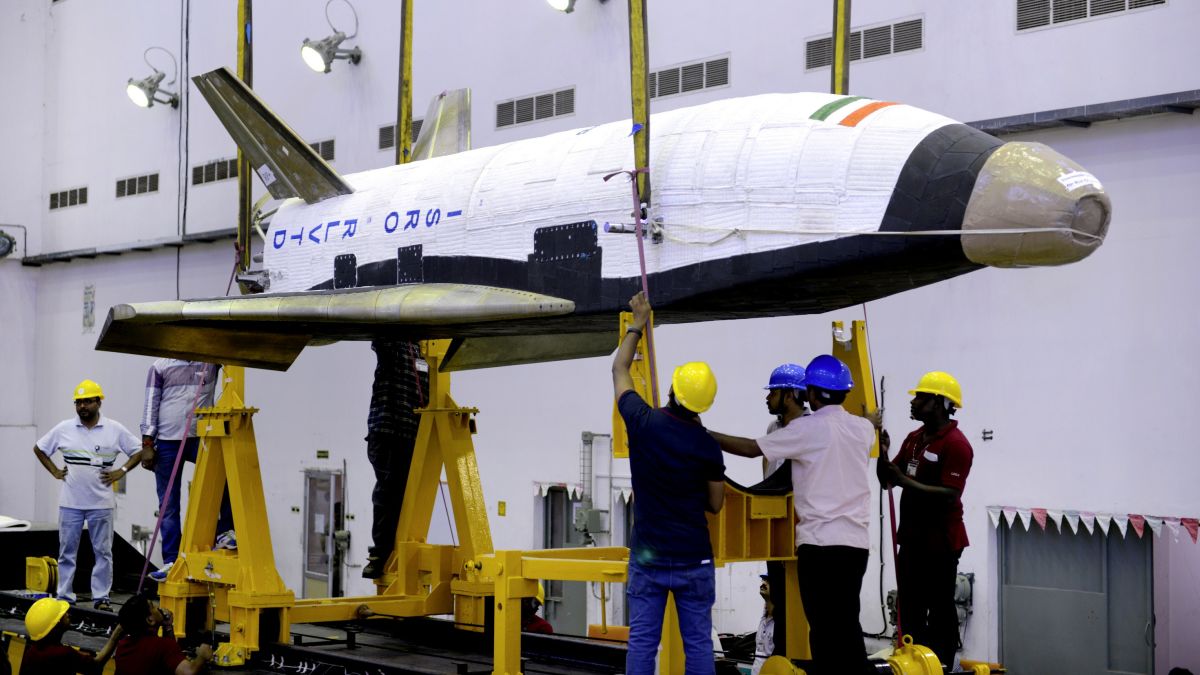
The Buran only existed in order to send a message. And it was also technically better designed than the space shuttle.
Now NASA did end up spending a lot of time refurbishing those engines, but if they wanted more frequent launches they could have simply built more engines. The program dramatically misunderstood how much they would be flying resulting in vastly higher costs over time.
Which was the major design flaw of both systems. Dig into things more and Buran was simply an even worse fit for either program than the Shuttle ended up being.
they didn't though, please try again.
It just occurred to me to check out the Mig-29 on Wikipedia, and it has an uncanny resemblance to the F-15.
When I say it looks like the F-15, I'm saying, as opposed to, say, the F-16 or F-18 or F-14.
And it's just a comment on the superficial appearance, not based on aerospace knowledge or about espionage.
This thread isn't even about espionage, is it?
On the other hand, if they think that they'll catch up by replicating things in the united states down to the layout of research labs... then that's kind of hilarious and they've really missed the point. It's like the Soviets copying the space shuttle and concorde. They're copying the wrong things, too late.