Strange indeed. Possibly because we're so used to ICEs catching fire it's not registering anymore[1][2][3].
[1]: https://www.faktisk.no/artikkel/er-elbilen-en-brannbombe/118...
[2]: https://www.nrk.no/vestfoldogtelemark/279-bilbranner-hittil-...
[3]: https://www.tv2.no/broom/harde-fakta-sa-ofte-brenner-elbiler...
So not only do EVs catch fire significantly less than ICEs, but battery fires is just a small fraction of that.
Search for recent results of "car catches fire" on google news or wherever, and you'll probably get a dozen incidents just for the past day, and even those will be mostly only newsworthy because the car in question caused a road closure or someone was injured.
If a car burns down and nobody is impacted in any way, it doesn't even make the news.
Besides, Volvo has safety at the heart of its brand image, so it makes sense that they would issue an overly cautious warning.
Bean counters ruin everything and they seem to have infected almost every business.
Even in this case - Volvo identified one case where a problem occured, and decided to recall 7000 cars(out of 100s of thousands sold), and even among those they said they will check first if they even need to have a battery module replaced.
In the meantime my last petrol Mercedes was recalled 3 times in my 4 years of ownership.....each time for a fire risk. And that was part of larger recall spanning 100s of thousands of cars globally.
In fact one of the largest car insurance claims in history is from a Ford truck that caught fire on a ferry in transit, burning down all of its (very expensive) cargo.
https://www.jalopnik.com/how-one-suv-fire-destroyed-45-milli...
It's true that currently commercially available EV tech today has a lot of engineering involved to prevent fires.
However, on the bright side safer chemistries and tech ranging from iron phosphate cathodes and sodium ion to solid state are just around corner. Which is pretty cool from an engineering and design perspective.
https://media.monolithicpower.com/wysiwyg/Educational/BMS_Ch...
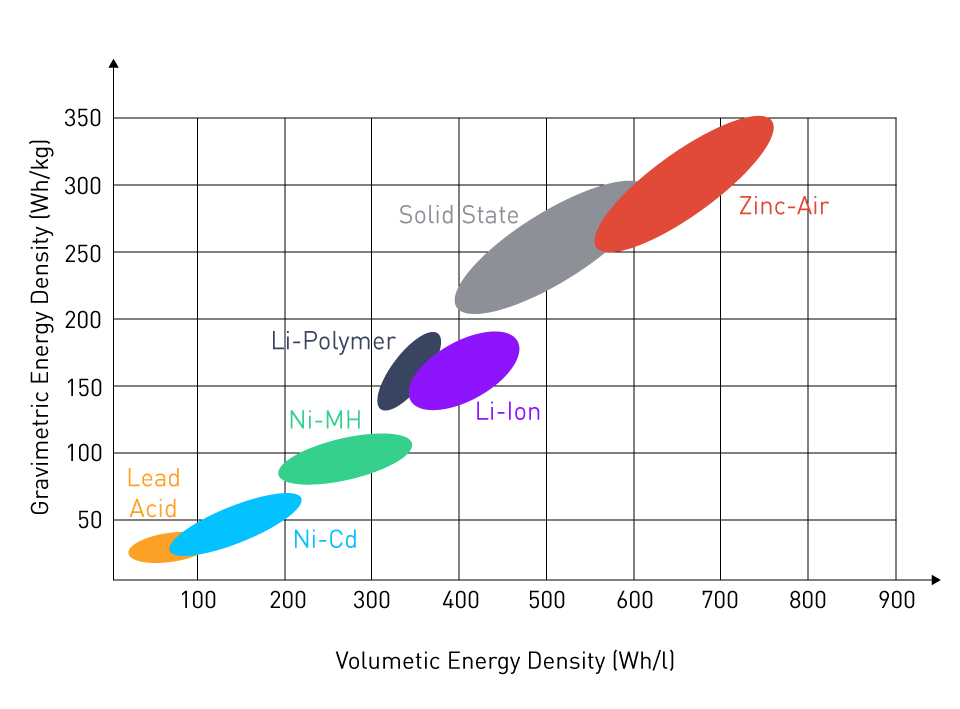
Lead acid I believe is what was accessable for automotive purposes 100 years ago.
Li-ion cells have about 50-60 years of research in them with maybe 30 where they've been able to be used in automotive applications.
Actually, there was one in Japan recently, but that later turned out its occupant was moving around some container of kerosene inside while smoking cigarette which lit fire on fuel(wtf?) so doesn't count.
Strange all I hear about with modern EVs are issues due to fire. In theory EVs should be far safer than any fossil fuel cars.