I don't have the wherewithal to get at these arguments from any angle (and I'm certain I'm missing many others).
Studious maintenance of the base code and branches/PRs besides build tried/true code bases and I hope that we're not being torn of that practice from this buyout; but only time will tell ...
nginx is fine, but there are now other options that work just as well.
Which only means that NGINX will get even better over time.
[1]: https://www.f5.com/content/dam/f5-com/page-assets-en/home-en...
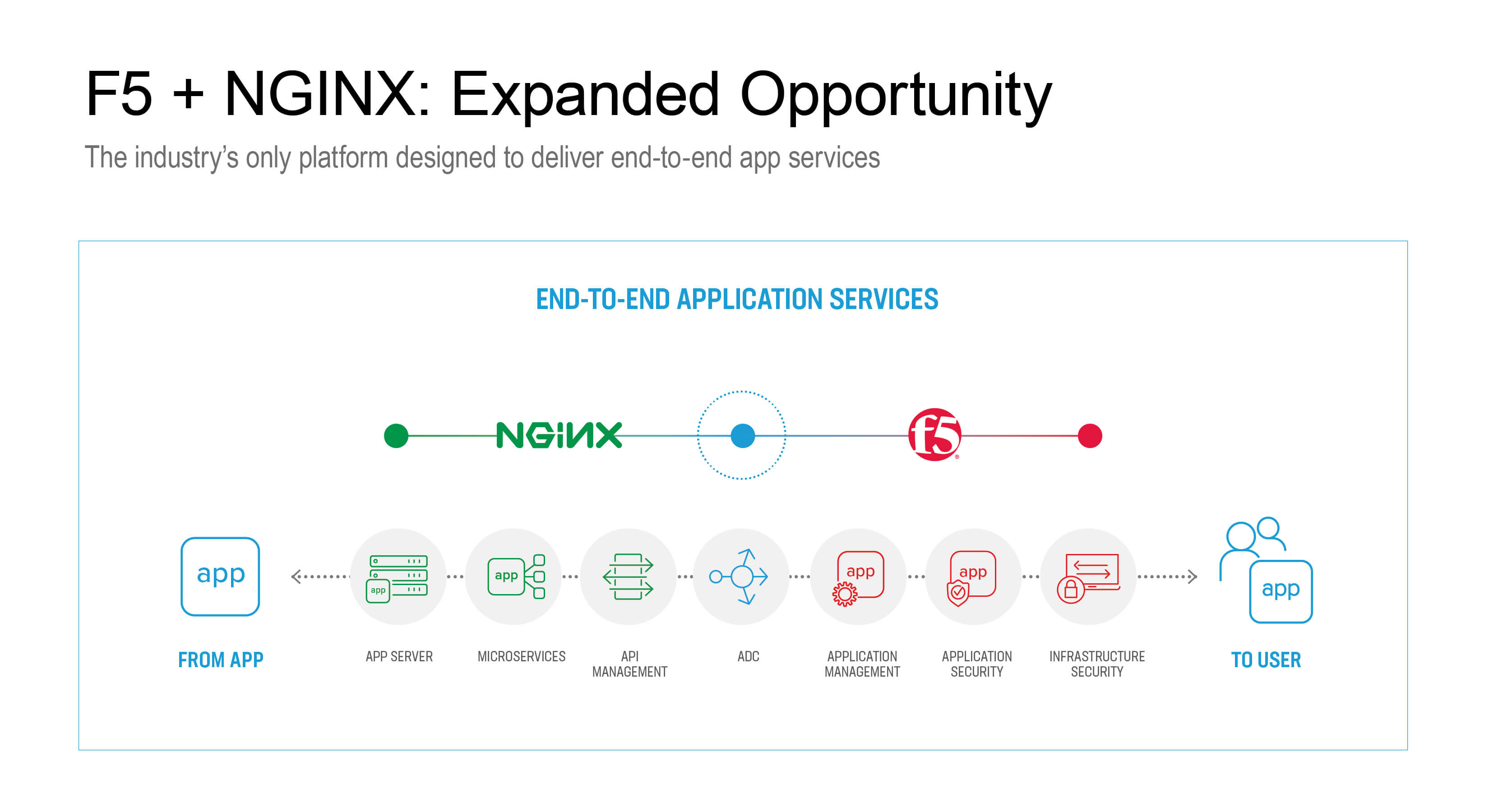
What are the contractual consequences if they don't keep that commitment? If the answer is "none", then it's not a commitment.
proxy_pass for example will only resolve a hostname at the time the configuration is parsed, unless you use a convoluted variable hack. This was a serious issue requiring you to restart your fleet if a backend server changed IPs. The bug fix for this was implemented only in Pro and sold as "DNS for Service Discovery."
But yeah, hopefully the community around it is solid enough to make that a possibility. I'd really prefer to not go back to Apache...
Edit: sorry, I should have just checked your profile.
I'm sure that's not the only feature it's missing compared to nginx. Envoy is not very comparable to nginx, in my opinion... but I also wouldn't reach for varnish as an nginx alternative either.
"There is more to life than increasing its speed."
No. Memory safety is a vanishingly small subset of all bugs and security problems. PHP is memory-safe, for example. Where has that gotten us?
> "There is more to life than increasing its speed."
Not if you're a computer.
The number of security vulnerabilities due to PHP's crappiness is two orders of magnitude greater than all of nginx vulnerabilities combined.
Yet PHP is a memory-safe language.
Memory safety won't fix anything by itself, it will just shuffle the shit into some other place.
Now if you're claiming that if you take nginx developers and force them to use Rust they'll somehow start writing better code, then that's a valid point. Although I'm in extreme doubt that it is realistic or even true.
I can recommend having a look at https://varnish-cache.org/ - while its performance might not be 100% up to par with nginx in some (very, very high-end) scenarios, it has many other fortes that nginx (at least in its FOSS release version; I've never used nginx plus) just cannot match in my experience. Having seen `varnishlog` and `varnishtest` in action alone are worth spending a day or two exploring it.