
If this is true, then it's hard to give this decision much weight at all. These two phones are vastly different and one literally says SAMSUNG on the front.
http://androidspin.com/wp-content/uploads/2010/10/samsung-ga...

Let's not assume that we have the whole story behind the way the jury decided anything, one way or the other.
* this phone has curved (not flat) ends
* four HW buttons on the front (rather than one)
* it's black with a black border (has any iphone had that? Usually the iphone border is in a contrasting color)
* has a big "samsung" on the front
It's pretty distinct, hardware-design wise.
That's obviously crazy, but that appears to have been criteria used.
EDIT: This isn't as ridiculous as it sounds. See this 2002 article. BT registered a patent in 1976 for "double clicking hyperlinks" (or somesuch), and then in 2000 they realised that they owned this patent, and a bunch of people were clicking hyperlinks on the WWW, and they started suing people. They lost.
(http://www.computerweekly.com/feature/BT-patent-case-raises-...)
Quicklaunch bars certainly predate the iphone

edit - The Replenish was also granted 3.3 million http://www.prepaidreviews.com/podcast/SamsungReplenish.jpg
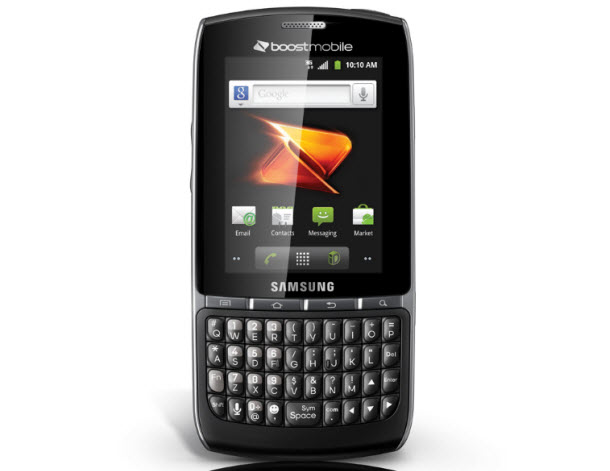
These are just laughable
There are two sides to this trial. On the one side is the emotional appeal: Samsung copied Apple, and documents detail the extent to which Samsung imitated the iPhone. On the other side are the various technical ways in which Apple claimed that Samsung copied them. But just as Apple engineers slaved for years over the technical details of the iPhone, it is incredibly important for the future of mobile innovation that all of the technical parts of the trial are correctly decided. If the jury finds no infringement but finds that infringement was induced, this indicates that technical mistakes were made. But in particular, I wonder if the jury was so swayed by the emotional appeal that sufficient attention was paid to the substantial prior art demonstrated regarding capacitive touch screen phones and multitouch displays.