It is incredibly rare for a large cathedral to be completed just like the original architect envisioned it, without any compromises made along the way*. It may even be said that a large cathedral is never finished - all the large cathedrals have a standing team of builders, usually with a tradition going back to the middle ages, and require constant maintenance work. "Finished" is thus a difficult term for such a building. But if major construction will stop in 2026, with the building no longer having any obvious large missing parts, I am totally fine with calling it "finished", even if the original plans were different. My understanding is that they already deviated from the original plans decades ago.
* I think Cologne cathedral was completed more or less according to the original plan, but only because historism was en vogue and they found the original medieval plans by chance in the 19th century. Strasbourg cathedral is a good example for a cathedral which doesn't look at all like the original architect envisioned it, with a long history of re-planning and some aesthetically botched construction works.
Yes, a lot of models and plans Gaudi created for Sagrada Familia were incomplete when he died. It didn't help either that his studio(s) were ransacked during the civil war, so even if he had a 100% vision, the war would ensure those plans didn't survive.
Quite understandable as well. The thing is big enough as it is. Bought at a discount or not, bulldozing that many homes in an overpopulated city that already struggles for space due to its geography is a little ludicrous.
I feel it's like those people that buy a house near an airport, they pay pennies for it, and then start lobbying the government for a change in air traffic routes.
It's bizarre that at the same time, real estate investors think all value increases are rightfully theirs, but they should be protected from any decrease in value.
You can hardly call it 'investing' if you're protected from the downsides.
There's definitely an argument to be made that globally iconic feats of architecture have intrinsic value that's more important than a bit of housing. But you do need to account for the social impact of aggravating housing scarcity to make that argument.
Nimbyims? This is corporate capitalism at its finest. Private profits, socialized and externalized losses.
As far as I understand, only one building (many flats though) would have to be removed in order to fit the staircase.
Problem is that there isn't a lot of space available to put the people whose home you just removed, so seems unlikely to happen unless our local government suddenly solves some really hard problems.
We build and build depressing neighborhoods in cities for us to all flee to historical centres to experience beauty for a minute. I mean if you are in the US you are lost anyway, but the Europe has some beautiful cities (Amsterdam, Venice, Palma, Rome, Vienna the list continues), but none of them are modern.
The citizens should be helped to find replacement, but please let's put some beauty back in our cities and give prominence to Gaudi's architecture (although maybe it's not the prettiest it's at least fun)
For instance Berlage in Amsterdam is modern in your classifcation. And his buildings grace Amsterdam, but most people would consider them "older", he was living around the same time of Gaudi.
I think you may have severely underestimated the population growth and need for housing after WWII. The world had not seen population growth like that before. The US and Europe cast away their ornate designs and focused on a burgeoning population in the US and rebuilding quickly in Europe.
Probably has to do with utilitarian and post-modernism; and a general deconstructionism of beauty; which is nice as a philosophy but just not inline with the general experience of a human. On top of that, architectural ego's make it worse.
Let alone Canada & Northern US, they combine it with a terrible city planning strategy, moving most utitilities such as shopping, entertainment & parcs, to a mall only reachable with car. Calgary must the most depressive unlivable city I've ever visited.
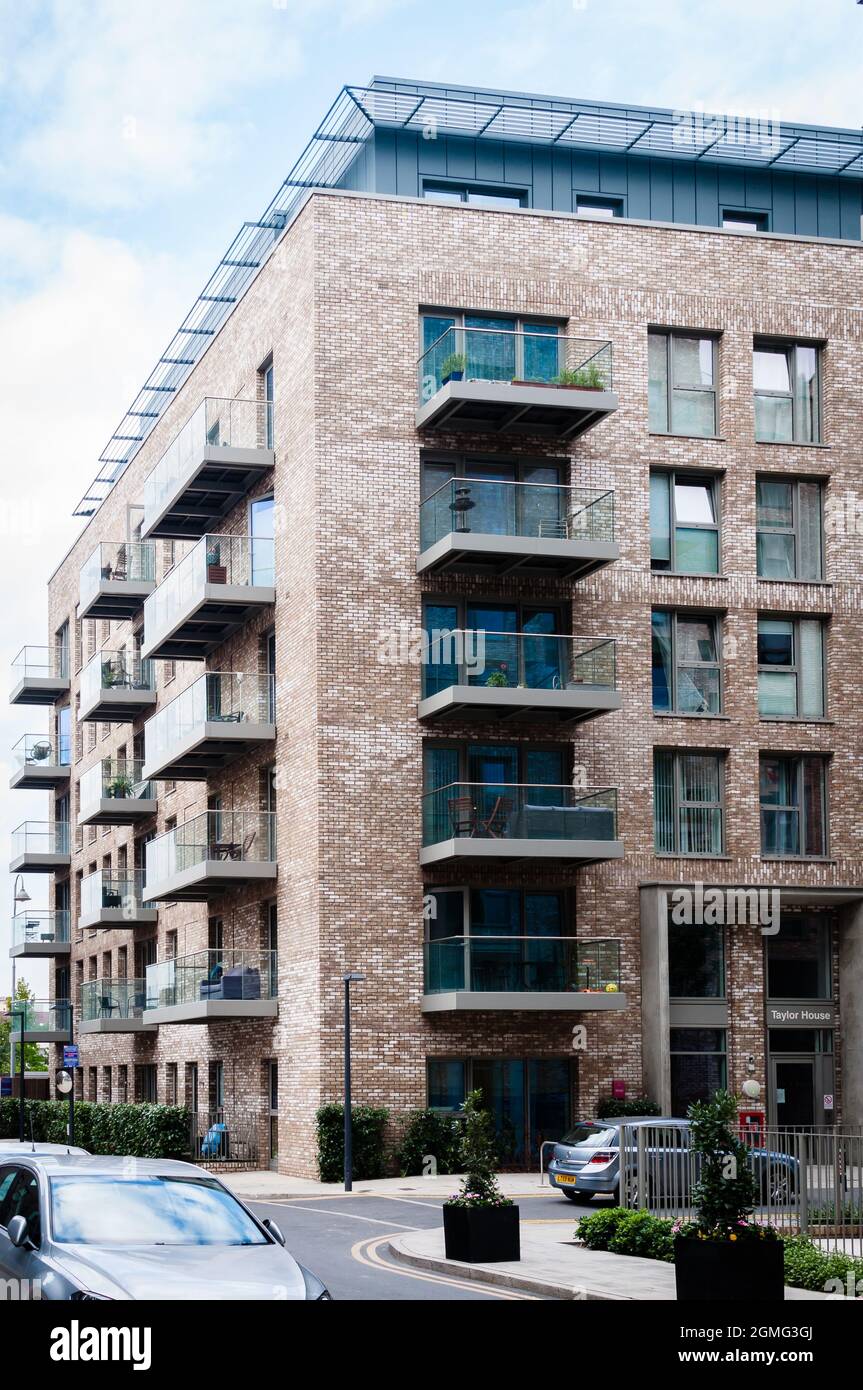
Everything produced last decade is either boring and uninspiring for instance:https://c8.alamy.com/comp/2GMG3GJ/new-modern-apartment-block..., or has to be weird and original in the "brand" of the Architect (for instance Rem Koolhaas).
I mean... It's right there, you can't miss it. It's not like it's currently particularly well-hidden.
stop treating us like some kind of zoo animals. The reason why the old tenaments were demolished is because their living conditions brought fire, disease, and discomfort with them.
So while in general the whole "touristic flat rentals" stuff is clearly hurting the city, maybe over-dramatizing the impact isn't super useful. Overall the situation sucks though, as prices seems to still go up :/
In my part of Eixample there aren't any long term units available.
Well, I would say this point becomes moot if they didn't have a permit for it from a start.
Also there are laws that are likely to supersede any expiration date that was set by who knows who in a different era.
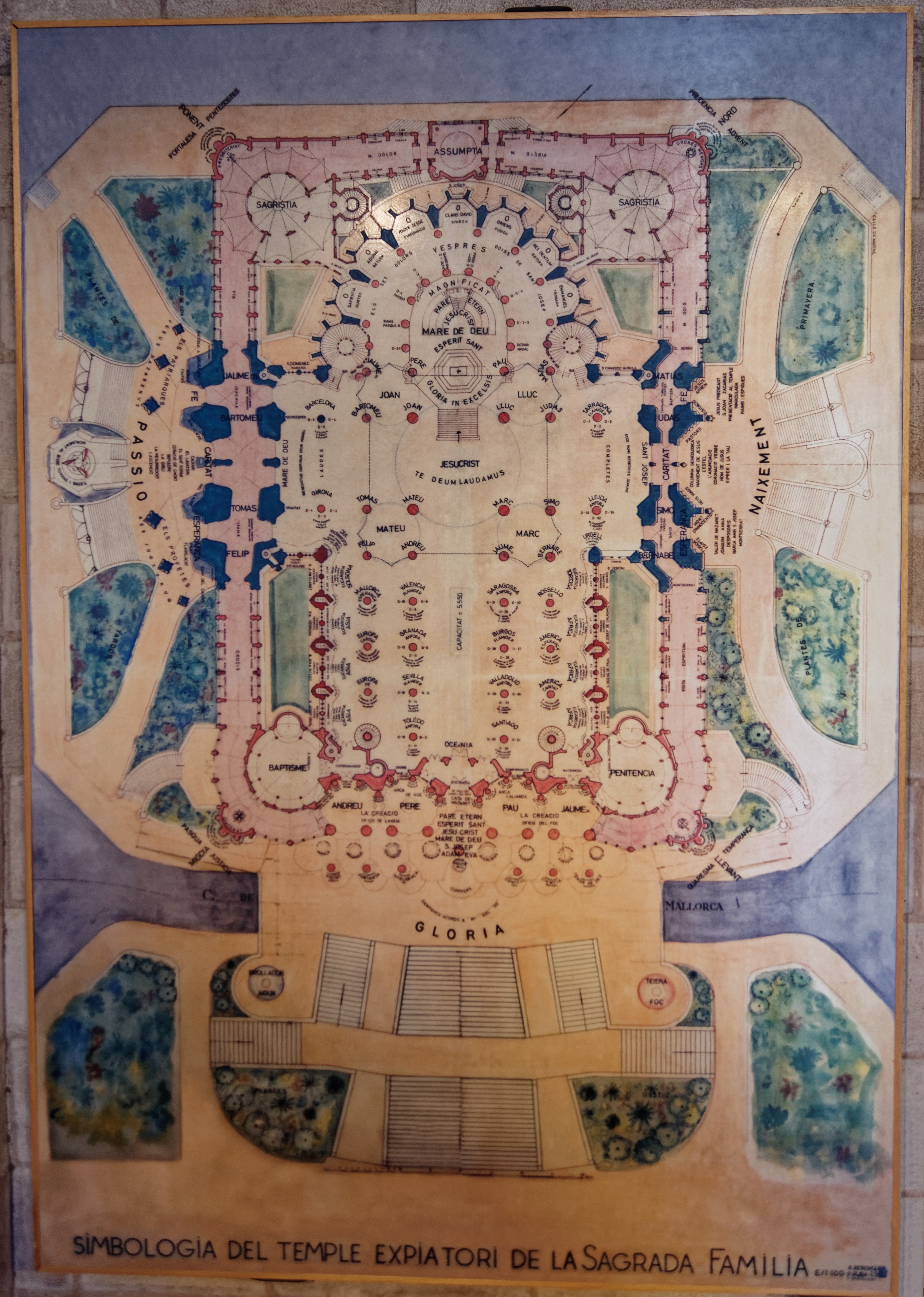
Everything south of the text 'Gloria' in this picture is apartments right now. The main entrance to the basilica effectively has no approach.
So they will be working on this for 200 years. The only institution that could survive that long is the catholic church.
There's some pushback from the neighbors because finishing it all means bulldozing hundreds of apartments, although those apartments were bought at a discounted price decades ago because everyone knew they had an expiration date. And now that it's here, they want to keep their apartments even though they were told about the Sagrada Família from the start.
PS: Gaudí's name is Antoni, in Catalan. Not Antonio. He was a proud Catalan, he was arrested for talking in Catalan.