At 4K miles per year (my average pre-COVID), if my risk is average, I’d expect to be in a fatal accident slightly less than once every 22K years. I’m OK without the latest driver aids at that low level of risk.
According to most studies EVs are more eco-friendly after around 50-100k miles depending on each individual country's energy production profile.
At 4k miles per year you'd need to drive a brand new EV for over 12 years to break even CO2 wise.
Driver aid, ok. But passive safety?
I’d probably be much better off to take less stress at work over car payments and/or lose 5 pounds on an all-risks basis.
Note: things like collision avoidance and adaptive cruise are still luxury features and the OG poster wouldn’t have bought those anyway.
I just went from a 2009 Land Rover to a 2020 Land Rover, so almost exactly 10 years, and one of the the main reasons I did it was safety features. They weren't standard on my model before and they are now. It's night and day.
I think passive safety of modern cars has significantly improved too - they periodically up the ante on what it takes to get full scores in EuroNCAP for instance (2). A "top rating" car from 10 years ago would probably now be scarily-bad compared to the latest requirements that new models ace.
What leaves me even more fumbled is how easily RWD Tesla’s spin out and crash with regen and snow. Take the gas pedal of and you’re going off roading. With normal car you’d struggle to even trigger ESC, let alone loose it.
Where did you get this info from? This is contrary from everything that I've heard from my local Tesla owners group. To the point that they don't even have to swap to snow tires during winter.
Some video examples:
[1] https://youtu.be/v_bfRm5hGN4?t=203
There’s more than one and obviously we don’t know the state of tyres, but even with bald ones seems any car with ESC should handle such manoeuvre...
"271 fatalities and over eight hundred injuries in the United States with more injuries and fatalities occurring internationally" and would have been detected by a TPMS which costs a few dollars.
The number one complain has been the powertrain. I know the automatic transmission is the weak spot in most vehicles, but I have heard of complete failures before 100k.
Could you give your evaluation of the vehicle?
https://en.wikipedia.org/wiki/File:Australian_SOTG_patrol_Oc...

Australian, not American.
And I've literally seen it for myself, and I just also linked a photo of them doing it!
I'm not Australian!
I wouldn't own anything else to be honest. I've always driven one, and I also work professionally with a fleet of them and I don't have any problems at all. My last personal one never needed any work at all over ten years. Even if they were unreliable, if it's the kind of form factor you're after I don't think anything really challenges them on the market.
I think they're also a uniquely egalitarian vehicle - if you see someone driving a Land Rover it could be a farmer, a teenager in their first car, a parent doing the school run, an Army unit on exercise, a professional footballer, literally the Queen, or anything in between. You can drive the same car to the rubbish dump and to Royal Ascot and it looks completely appropriate in both cases! I don't think there's any other vehicle even remotely like that.
https://www.subaru.com/engineering/safety.html https://www.nissanusa.com/shopping-tools/build-price?models=...
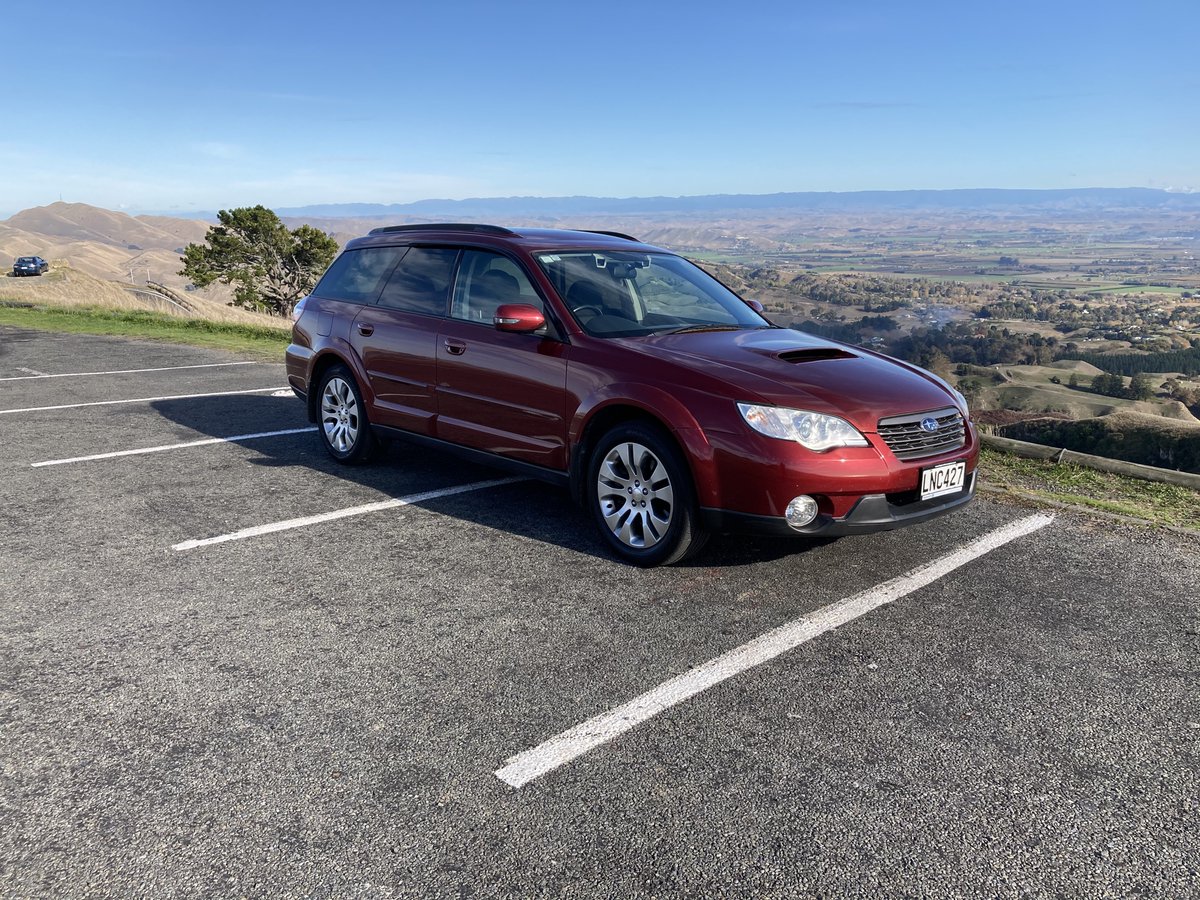
It's kinda sorta doable by yourself, but it's a HVDC circuit so you _really_ need to know what you're doing.
Actual brand-name shops are slowly able to replace individual failed cell packs instead of just swapping the whole battery.
The big problem is that batteries aren't really failing and because of that the manufacturers don't really have a process in place for replacements, each operation is a custom job.
Those are pretty wide error bars, last time I looked at used Leaf's they were selling for somewhere in that range. Admittedly first gen leafs with the 24KWh battery.
But you need to maintain it and have it inspected instead!
And you're also paying with your safety - ten years is a very long time in safety technology these days!