Edit: typo
Real life doesn't have perfect regen, but on the other side of the equation real life ICE cars actually lose more efficiency to added weight than just what is converted to heat while breaking because they tend to compensate worth a bigger engine to get comparable (or better even) acceleration than a lighter counterpart and that means that during cruise where the mass is irrelevant the engine is running at all an even worse load point in terms of efficiency. ICE are terribly inefficient at partial load and when your engine is sized to get decent acceleration despite high total mass you simply can't gear long enough to get the engine to a reasonable load point in a moderate speed cruise. Electric motors don't have this problem (or a much, much smaller version of it), so they wouldn't suffer quite as hard from added mass as ICE even worth no regen at all.
Yes, but this doesn't happen much anymore. Torque converter, electronic throttle control, variable valves, and 6+ speed gearboxes means the engine is usually near full throttle even if your foot is barely on the gas.
Turbochargers also help, along with cylinder deactivation for some V8s.
Modern engines are nearly always at a relatively efficient load point. This wasn't true until about a decade ago though.
Tesla low gearing induction motor is by far not the best here.
Synchronous motors have much better regen capability.
It's only used because dumping excess energy back to batteries is cheaper than including brake hardware. The math may work out the same for EV's. Regen just to decrease the cost of brakes rather than increase range significantly. In the e-scooter world, the cheap ones use regen and more expensive models have traditional disc brakes.
Air resistance burns a ton of energy at any speeds over 20mph.
You say 5% at most... The difference in between, say, 5% and 10%, a bad and good regen is huge.
The RPM doesn't matter much though. Regen efficiency is around 80% from wheel to battery. With cars you get much less regen because you lose tons of energy to air at the speeds they travel.
Second, as other comment says, the idea that braking regen is going to make up for an extra half a ton of batteries is pretty laughable
It's not quite that heavy. An LT1 makes 500 horsepower and weighs less than 500 pounds.
The point still stands though. You're savings a few hundred pounds compared to an ICE, but you're losing more than in battery weight. An x2 (or maybe even x1.5) increase in battery density, and a (ground up) electric vehicle will almost always be lighter than a similar conventional car with a full tank of gas.
Teslas have a transmission, but it's not in the same league of complexity or weight.
In the end we would have slower planes but we will eventually reach a point where we can do it.
Someone can probably explain it better and my understanding is rough and not current; jets were cool when I was kid
It is profoundly foolish to compare motors and heat engines on first principles like this, obviously. Still, here's a turbine that handles 30x the power of a jet engine, running a generator that is about the same size as a jet engine: https://www.ge.com/news/sites/default/files/Reports/uploads/...
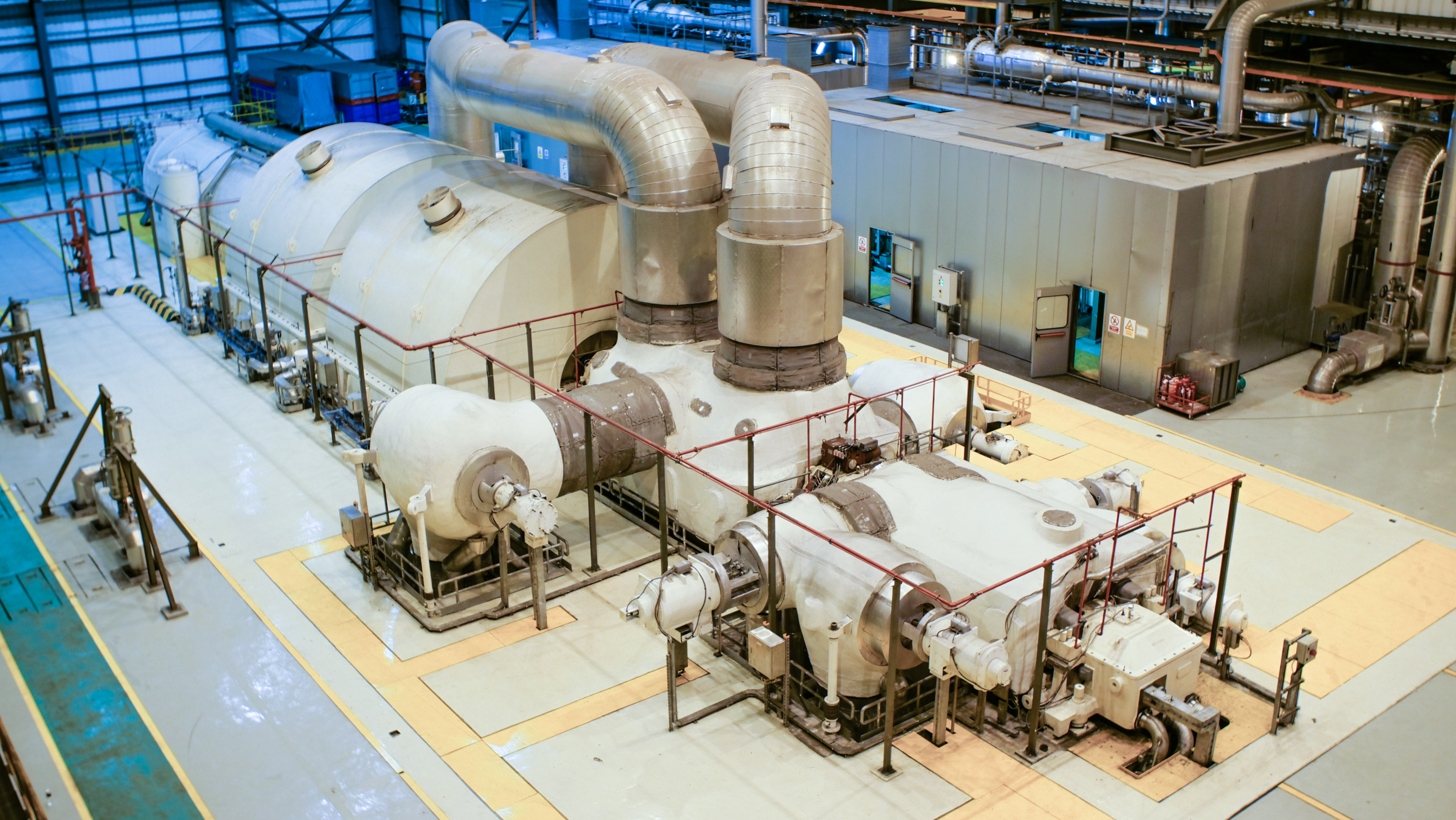
generator is in the upper left. Obviously not at all optimized for size or weight- there aren't even any magnets in that thing.
Mercedes is selling cars with an engine that weighs 354 lbs, with just 2 liters of volume. Now 354 lbs is still pretty heavy, but it's 354 lbs with fluids and accessories.
Some (many even) of those accessories have equivalents on a Tesla that aren't included in saying it weighs 75lbs, like pumps for coolant and the AC compressor
You can't compare the energy storage density in isolation. Engines are heavy...Model S's motor generates 362 horsepower (according to the official specs), and only weighs 70 pounds...the equivalent ICE would be 500+ :-)
(Yes, the inverter weighs something, but the transmission is much simpler as well for electric...overall you save a few hundred pounds easily...A Model 3 battery pack is between 600 and 1000 pounds--so pretty close to the crossover point.)