Their CTO, Martin Sandsmark, is a long-time KDE developer.
Unfortunately, xochitl (the device's main UI) isn't open. It's a major miss in their open approach, and frankly I don't get why they would keep it closed - the RM's competitive advantage is in the hardware design, the xochitl software is merely okay and could only benefit from user patches.
The name "Xóchitl" is pronounced with the "x" sounding like "s" and the "t" silent by Spanish-speaking Mexicans. I'm pretty sure that's not how it is pronounced in Náhuatl; there I think the "x" sounds more like English's "sh", and the "t" is not silent.
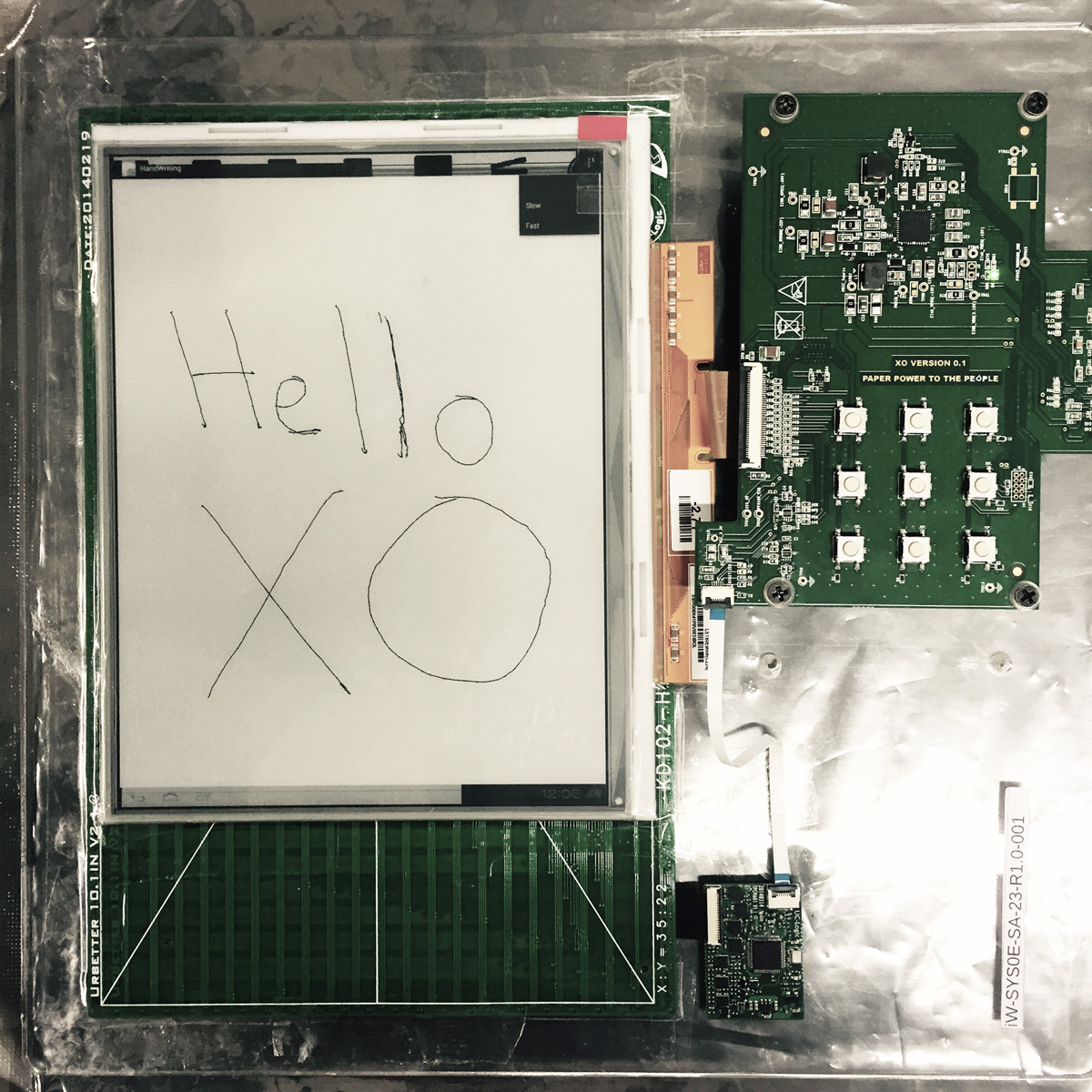
:-)
Is the password different for every device? Is the ssh daemon updated regularly? Seems like a massive security vulnerability otherwise.
The SSH daemon is Dropbear, and it doesn't seem to be updated though:
> reMarkable: ~/ dropbear -V
> Dropbear v2016.72
We shipped the first software with an old dropbear, though it had backported patches for the known CVEs: http://cgit.openembedded.org/openembedded-core/tree/meta/rec...
> It's sunday, we'll try to get it up during next week.
> In the meantime a normal cross-compiling ARM toolchain should work (e. g. the one packaged in Ubuntu).
Edit: now a added "Sorry, forgot to update this..." so seems someone updated the link right now
Can you tell us a bit more about this? Took a look at their website and searched around a bit, but don't find anything about it. What makes ReMarkable more open than most other commercial devices? Seems any device running Android and alike would be more open to hacking.
Also can't find anything about the company's support of open source.