Was such a harrowing experience that, when travelling back home from abroad, I try to fly into Port Hedland and then just take a 10-hour bus ride. (Okay, I admit that I do that mostly so I can get my jet-lag adjusted at the beaches of Shark Bay along the way .. ;)
You basically had to fly straight over the city, high rise buildings straight ahead, and bank right as hard as the plane would let you at just the right time to hit the runway.
Outside perspective: https://www.youtube.com/watch?v=bKqO6gdJIz8
Cockpit view: https://www.youtube.com/watch?v=lx3Ccs5tKfw
https://en.wikipedia.org/wiki/Kai_Tak_Airport
https://en.wikipedia.org/wiki/Checkerboard_Hill
https://droneandslr.com/travel-blog/hong-kong/checkerboard-h...
They are landing on runway 23, with, from the METAR, wind coming from 270 at 28 knots. That's more than enough crosswind to clear any wake turbulence that could have been there. (See [1])
[1] https://www.researchgate.net/publication/225007139_Crosswind...
I've been flipped slideways flying short final (cessna) by a heavy jet that departed 90 seconds prior on a parallel runway. Fortunately I was high enough to recover, but it could have gone very differently.
Wind shear seems more likely this close to the ground, but I'm sure we'll get a nice write-up after the investigation.
https://en.wikipedia.org/wiki/Thundersnow
But the snow rates were slow enough yesterday that I don’t think that was happening.
Max allowable crosswind component for takeoff and landing on a runway when the braking action is “FAIR” => 20 knots
If the METAR is correct, they were landing with a crosswind of 28 knots, gusting to 35, on what doesn't look like a "dry" runway. So they might have been over their operational limits here.
[1] https://www.brainscape.com/flashcards/endeavor-air-crj-900-l...
[2] https://old.reddit.com/r/aviation/comments/rf3oqc/landing_in...
[3] https://old.reddit.com/r/FlightDispatch/comments/1irubk0/cur...
However the runway landing was 33, or 330° magnetic.
So this is 24-30kt crosswind component. The maximum landing crosswind on a dry runway is 32kt. The press conference reported the runway as dry, so if they’re correct then it’s within limits. At the reported -9°c if the runway has been de-iced it could be dry I guess?
The surveillance potato camera makes it look like a hard landing on the right main, which is mounted on the wing root. But it’s very low quality and we’re not going to get the first real answers for a month.
They were landing on runway 23.
> At the reported -9°c if the runway has been de-iced it could be dry I guess?
That's not what the NOTAM said. The runway condition codes for 23 were 5/5/5, so poor braking action.
5 is not "poor", but "good", with a wet runway or one with light snow or slush. [1]
[1] https://www.faa.gov/sites/faa.gov/files/about/initiatives/ta...
I haven't used a compass since I was a kid and at that time declination where I live was 21 degrees. Now it's down to 13 degrees. I had no idea it changed that much.
https://www.canada.ca/content/dam/dnd-mdn/images/technical-a...
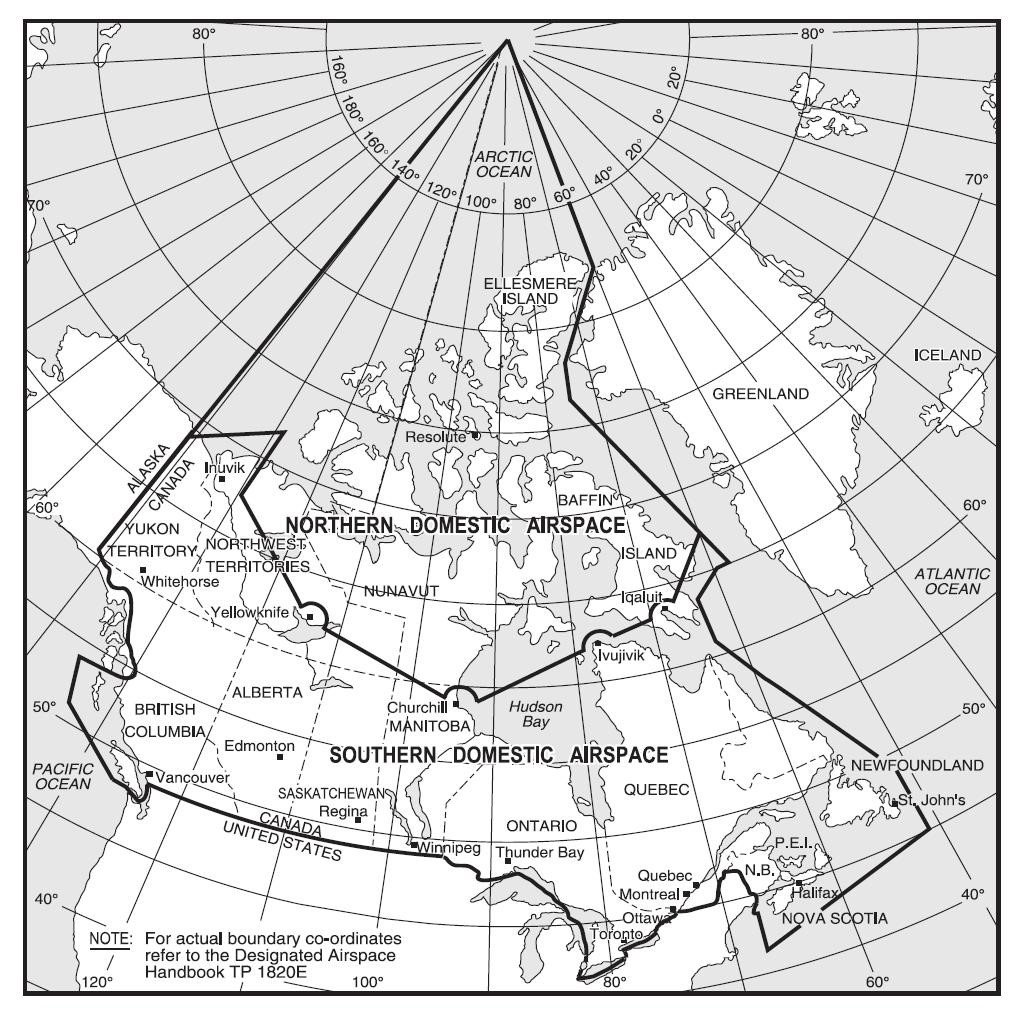
Airports in the southern half of Canada still use magnetic for runways.
The global effort. https://www.icao.int/safety/OPS/OPS-Section/Pages/Truenorth....
> This looks like wind shear to me. It was a stable approach and then it suddenly got slammed into the ground. That doesn't look like pilot-induced change in descent rate, it is too sudden for that. A sudden change in wind direction (shear) when that slow can absolutely cause a sudden loss of lift.
> We have had almost 2 feet of snow up here since Friday, and are experiencing wind gusts up to 65 mph. Has basically been a winter hurricane.
> This is a CRJ landing on Runway 23 at YYZ. It is an 11,000’ runway. Winds at the time where gusting from the NE likely north of 30 knots, so this was a cross wind landing. My bet is that it wasn’t the worst situation that any of the pilots had been in. Delta is a pretty good company. Guessing (as a GA pilot and talking to pilots of bigger birds than this —- I know a few). Likely wind shear or wake turbulence. The wake turbulence part would be a reach considering the cross wind component would have blown it away by the time of this landing.