I doubt they’d do much better using electron: I think their development model is that if it isn’t on one of their platforms, they pump out a minimum-effort, low quality app. I’d guess that electron ones would be just as clunky, except with a significantly higher memory and CPU footprint.
The root of the problem for Apple is that they cannot get away with doing what they used to in the past, they already have a plethora of platforms within their own umbrella to support, adding Windows native to the mix seems to result in maybe a handful of developers taking on enormous burdens by trying to catch up to their expected Mac apps.
If Apple were to seriously put its weight behind a cross-platform toolkit, this might change, especially as they want their services to grow. It's the very reason why their main service competitors can even compete.
But I agree that if they were to suddenly switch to Electron without a care it wouldn't turn out well, but likely have a better end user experience than their current reveals.
For Safari Windows they ported a portion of Cocoa.
Having an internal Windows version of SwiftUI would not be unthinkable!
No they weren't. They were notoriously awful. Apple resorted to bundling Safari with QuickTime to try to get you to use it but everyone still hated it.
300GB library around that time with no issue at all. Smart Playlists made all other players obsolete for me.

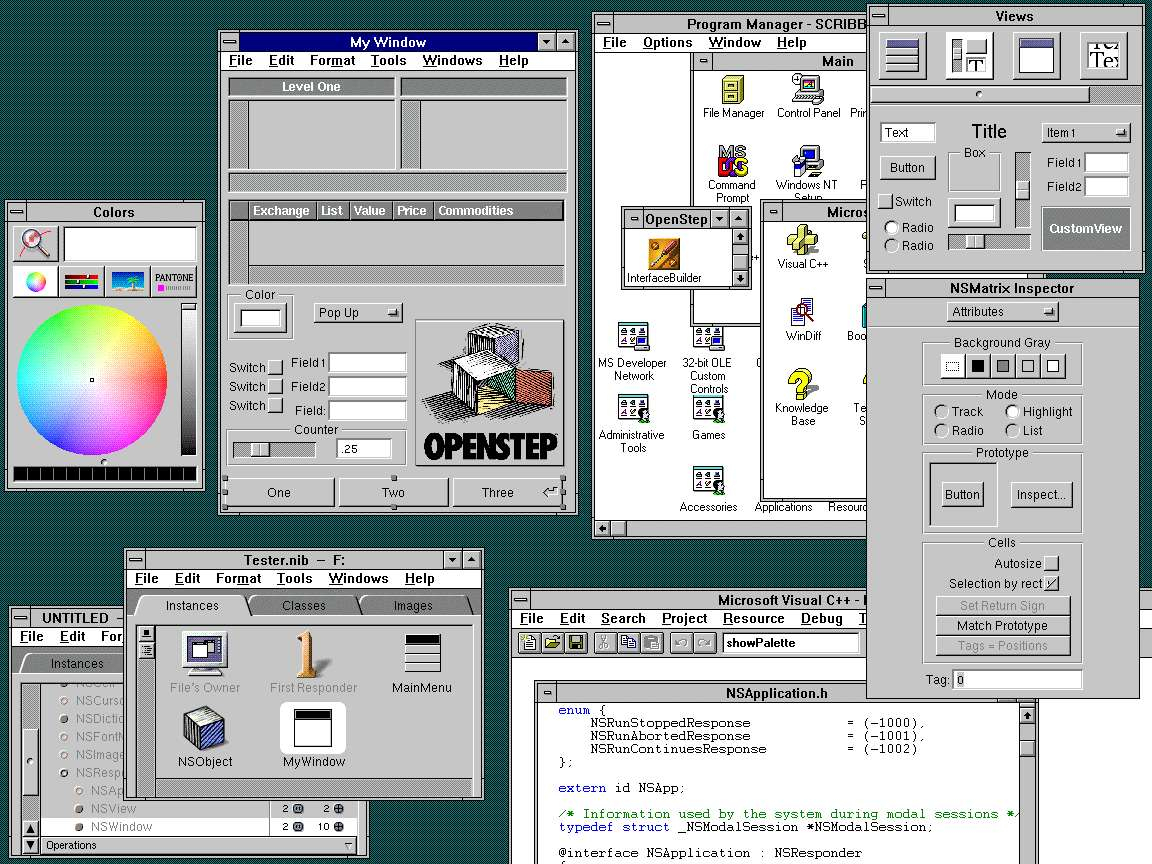
https://www.stone.com/dev/StonesThrow2/OneFoxTwoFox.html
Basically, it was called Yellowbox, but it didn’t officially survive the release of Mac OS X IIRC. But Apple was at least still using parts of it for some Windows ports back then I believe.
If you were a Windows user, why would you want an app that acts like a Mac app? Surely the benefit of having a dedicated Windows app is that the experience should be like other Windows apps.
If I'm using Spotify, I don't think "oh this doesn't use windows navigation component from winUI", I immediately know where the genre categories are because I've already used it on android or linux and expect it to be there. I know exactly how to add a song to my library, to shift around playlists, to manage folders, everything is as I learned it on [other platform].
Design development becomes this duplicated burden where every feature now has to go through the ringer twice (or more) to fit native components for their respective platforms. When you hit limitations on those native components, you're now having to make the decision to either hold back the feature entirely, or create fragile workarounds.
In an alternate timeline native components would have had far greater appeal, where people actually hate and boycott apps designed otherwise. But we don't. Even on iOS or mac, people regularly rely on apps that only vaguely interpret their native components. The situation is even worse on windows past 7, where the idea of a "windows app" is so jumbled there is nothing to "expect" from the experience - which is actually part of why I think these unified app designs have really taken off.
We're either very different people or we have different use cases :) It immediately feels jarring to me to be using macOS and suddenly presented with a non-native UI. But I only ever use macOS on the desktop, so I don't have this cross-platform issue. What I find strange is, I would have thought that was the 99% common case — it seems strange to me to optimise for individuals using multiple OSes rather than multiple apps on one OS.
> Design development becomes this duplicated burden
That sounds like an OS flaw if true. Of course, I accept that some design will be necessary, even with the finest SDKs available to humanity, but it should be so burdensome that going non-native is seen as the solution.
> Even on iOS or mac, people regularly rely on apps that only vaguely interpret their native components.
You're totally right. Every now and again, I say to myself "I really must use Safari for the 'more native' experience", but I always come running straight back to Chrome again.
> The situation is even worse on windows
This was one of the things I liked best about macOS when I first migrated — everything was so consistent, things didn't visually clash, etc. I still get the impression it's better on macOS, but heck, it's definitely not as good as it used to be.
Have you given Arc Browser a shot yet? It feels pretty great. Feels designed for Mac and has its own design language at the same time.
Well, Apple Passwords on Windows is a good example of how that turns out in reality. I believe it's using WinUI. While the performance is nice, the experience is entirely unlike what you get on Mac and winds up making you wish you were using another service entirely.