College humour was basically forced to put their entire video just to retain views.
This, obviously, didn't pan out according to what was advertised. The way I understand it, management trusted FB more than they should've, overhauling the way they approached content, which resulted in all the eggs being in one dropped basket.
But with native video, you don't get that. What happens on Facebook stays on Facebook. People who watch a video on Facebook might like the video or even leave a comment, but they won't follow through and go to CollegeHumor's website. When they're done with the video, they'll just continue scrolling through their feed.
Seems to be a common pattern unintentionally trading your long tail for initial spike traffic. I’d be surprised if this is ever sustainable.
Buying Facebook likes looked like a wildly better investment, but that was an illusion.
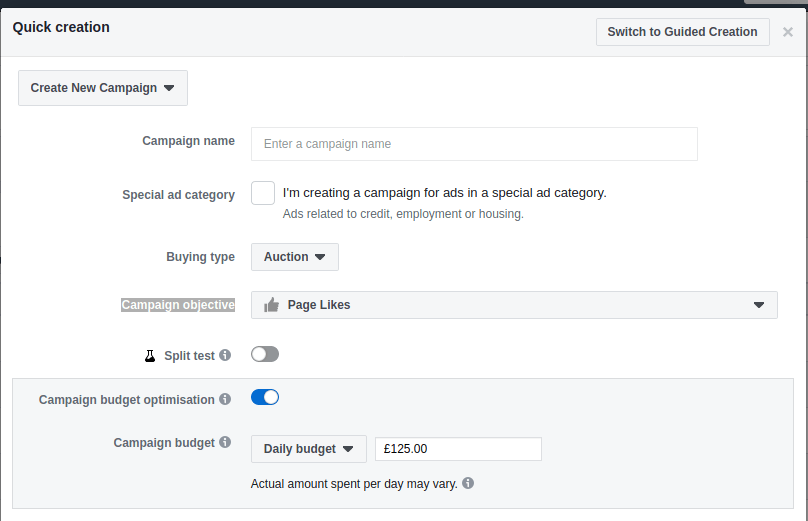
"About Page likes ads": https://www.facebook.com/business/help/209213872548401
> Page likes ads help you reach people who may like your Page. If your goal is to increase awareness of your business, these ads are a way to promote your Page to people who are interested in your content or businesses like yours.
"Advertising your channel": https://creatoracademy.youtube.com/page/lesson/ad-promotion
> To help drive more views and subscribers to your channel, you can pay to run an ad campaign for your videos on YouTube through Google Ads. You can create an ad that appears before a video starts, or alongside a video on its watch page on YouTube.
Both ban purchasing fake followers, but they'll happily take money to put your page/channel in front of potential genuine subscribers.
"We can buy Facebook likes, or YouTube subscribers."
"Engagement's so much better on Facebook, let's buy likes."
Facebook's incorrect (dramatically so - as high as 900% inflated) stats made buying a like look way more cost effective, so that's where the budgets went.
> “In order to beat YouTube, Facebook faked incredible viewership numbers, so [CollegeHumor] pivoted to FB,” former CollegeHumor writer Adam Conover presciently tweeted last October. “So did Funny or Die, many others. The result: A once-thriving online comedy industry was decimated."