I can only hope OS vendors (both mobile and desktop) will one day be driven to actually incentivise frugal use of resources. We are currently suffering a massive tragedy of the commons for RAM, cpu and even disk I/O (see Spotify, recently).
I would be absolutely thrilled if, just for example, App Store margins were calculated based on median resource usage. Or if apps got a clear UI annotation indicating resource use. Or something... anything. Like a carbon tax, but for software :)
Currently it's the Wild West out there, the cpu tuna is being massively overfished and we don't put the blame with the right parties so why would anyone stop. We the consumers end up paying for all this.
Edit: and if google could do the same with search ranking I would convert to any religion you asked me to.
If the thinness of current MacBook pros prevent them on displaying remaining battery time, then making the MacBook pros thinner was not a good decision. You can make the regular MacBooks thinner but not the MacBook pros -- unless Apple finds another battery material that outputs significantly more power per cubic cm
100% agreed. The crucial word there is "I". You choose. You get to decide what to think of wasteful apps. Text editor in Electron? Well you're a programmer, so ok. No hard feelings. Image editor using up 50% of your cpu? I'll look for a different one. Might be just the other way around for a graphic designer.
The important part is: let the market figure out what is the balance of acceptable resource usage. Right now, there is no accountability. Spotify was trashing the disk for about a year and finally got off their asses to fix it when it became a serious pr issue. That is not a sustainable system.
Edit: to drive the point home about your mbp: I have one too, and I actually don't think it's acceptable for apps to use a lot of cpu / gpu. I'm on battery a lot and I constantly monitor the tasklist to shut apps that are using too much. Already in n=2, you and I have different preferences. And that's great! Let us collectively figure out a balance like a normal market does :).
These apps don't do more, they do less but require more resources. They trade user convenience for developer convenience.
Exactly. Apple has always designed their devices to a battery life target. But as "wireless web" and "movie playback" both depend on use cases that get more and more optimized as Apple improve their software, they get more and more disconnected from the reality of pro users. How about a "editing a Swift Playground" battery life estimation? Or Photoshop? What Pro user spends all their day browsing the web and watching movies? Those make sense for the regular MacBook, not the Pro.
Consistent 20-30% processor usage no matter what the processor when not in focus and no files open.
Of course I don't get what customers gain from .07 nineteenth of an inch less of thickness. Next version Apple will provide a thinner macbook, with no battery, and the power supply will come from an NFC table...
You have a point that many PC manufacturers have fantasy numbers - I don't want Apple to venture into that realm. ("10 hours... as long as literally the only process you have open is Safari")
Phrasing it another way... I hope Apple doesn't optimize their batteries for their own benchmark, to the detriment of real-world use cases.
It is difficult to make thin, light and functional laptops. This results in fewer doing it, with those that do being able to command a margin for it.
It also amortises your product R&D. Minitiarisation continues, delivering not only more computing power but more in smaller form factors.
By focussing on thin and light, they can keep tweaking with decisions they had to make when putting a computer in a phone and then a watch and will need to face putting it into a contact lens, et cetera.
Start looking at proper business models maybe.
I myself bought a brand-new 2015 model 15 inch, and I'm getting all day battery close to 12 hours. I've never had a laptop deliver such battery life before. And that's doing C++ development all day!
This year's has give or take a 75 watt hour battery while last year's has give or take 100 watt hours, so to arrive at the above figure I quoted three quarters of what you reported.
Yes i also never heard of any other brand still having that issue.
On my phone on a bus right now. But there is a thread somewhere in a mac support forum that suggests to put tape over (i think) the 2 middle connectors on the charger which somehow fixes the issue.
Edit:// i dont use apple anymore so take that with a grain of salt. I mostly remember because the all mac company i worked for then was in rage. Thought about switching to thinkpads. And already replaced a few of those faulty things in mid 2016. I did not really care because it knew i just get a new one. I did however confirm it myself, it did not wait even 1% to charge again. Next to my battery dying faster than anything i've seen before.
I get why companies do it, I just wish they wouldn't. Alternatively, perhaps an investment in electron as a platform in the power consumption space is what really needs to happen.
I think I heard that Apple originally intended to have a different battery design than the one they shipped, and had to revert at the last minute. Perhaps it would have better battery life had that not happened.
The problem with the time remaining indicator was that people started reporting the displayed time as actual run time. I read a couple of blog posts where people claimed that the battery life time of the Macbooks was reduced, based on the estimates they saw in the battery menu. They didn't actually time the run time of their Macbooks, presumably because that would take 5-10 hours, or longer if you want to repeat the measurement. So Apple is claiming that these people are wrong, the indicator was inaccurate, and they removed it.
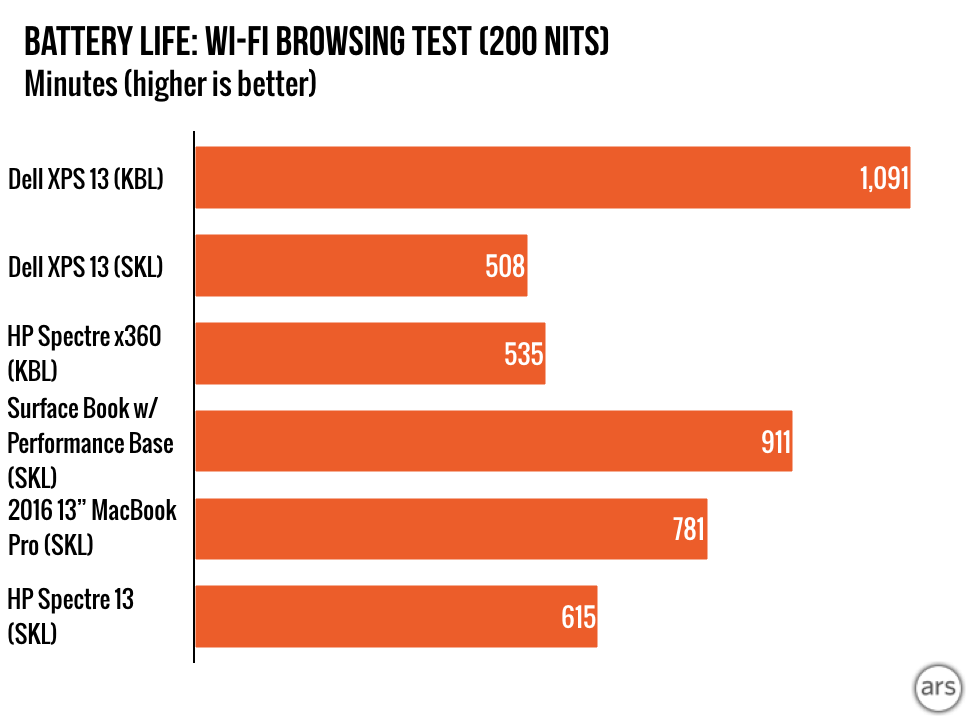
Of course, the problem is that most likely battery life actually is lower. The battery of the new MacBook Pro is significantly smaller than the predecessor's, but the components don't use significantly less power. With the increasing popularity of Electron based apps, average power consumption is probably even increasing.
For the user, this is a huge loss. We've learned to live with the battery time estimate, and we know that the time remaining isn't absolute; just like we know that the remaining range displayed on the dashboard of most recent cars depends heavily on the driving style.
Fortunately, there are 3rd party tools that display the estimate Apple removed -- I downloaded Coconut Battery. But I wish we wouldn't have to rely on 3rd party tools for such basic functionality. Macs used to come with "batteries included".