Suppose you want an app to play videos. If your app uses a custom format no problem. If you support an open standard, the file might not, it might require more processing power than you have, it's probably for a different screen resolution, it...
In the end tech people are willing to trade stuff breaking occasionally for flexibility, but most people flip out when stuff breaks.
PS: I think you can break it down as do you want a VCR to show a movie to your friends, or a VCR that gives you an excuse to tinker.
For example, you can create an app that only uses LAME + VideoLAN encoders and supports two of their formats, MP3 and MPEG4 nothing else, cause you're sure those work on the hardware you're building, that's exactly what Apple does, and Ubuntu, and Windows.
Just use your LOGIC how the hell is an open protocol the reason why stuff breaks? If everyone is looking at it and it goes through a lot more review than closed standards, they're the reason why we have the internet and how it works.
Contrary to what you believe on, Apple actually uses tons of open protocols and standards, they made Webkit what it is, that's free and open source, they still work on it as far as I know, they have their fair share of closed ones too, but open has worked for them pretty well.
The same applies to MPEG4 there are plenty of files that work on one player but not another. EX: Wait you also want to open an 8k MPEG4 file on a phone?
PS: I wish everyone that suggests open solutions actually needed to implement one. Generally, when people say open solutions they really mean leverage some huge chunk of code that someone else wrote, or let me leverage your hardware and software for free.
Apple's magsafe and lighting adapter plugs are far better than USB connectors. They are reversible and don't have tabs to break off on the device side.
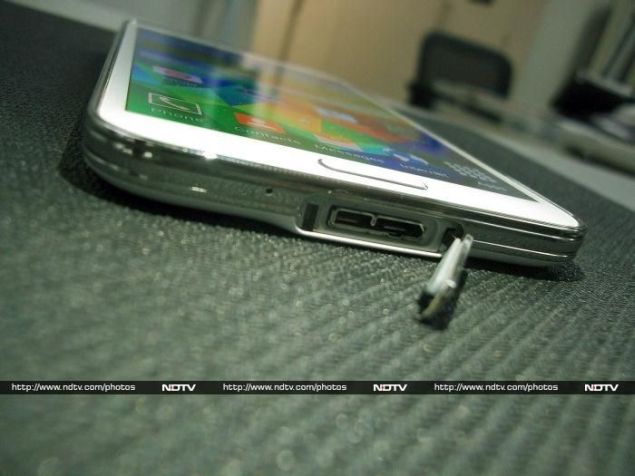
If you look close at in the connector on this S5 you can see there are two separate 'tabs' that are rather fragile if you are not careful removing and inserting your power cable. I've seen these break on phones before.
http://images.anandtech.com/doci/8554/DSC_1380.jpg
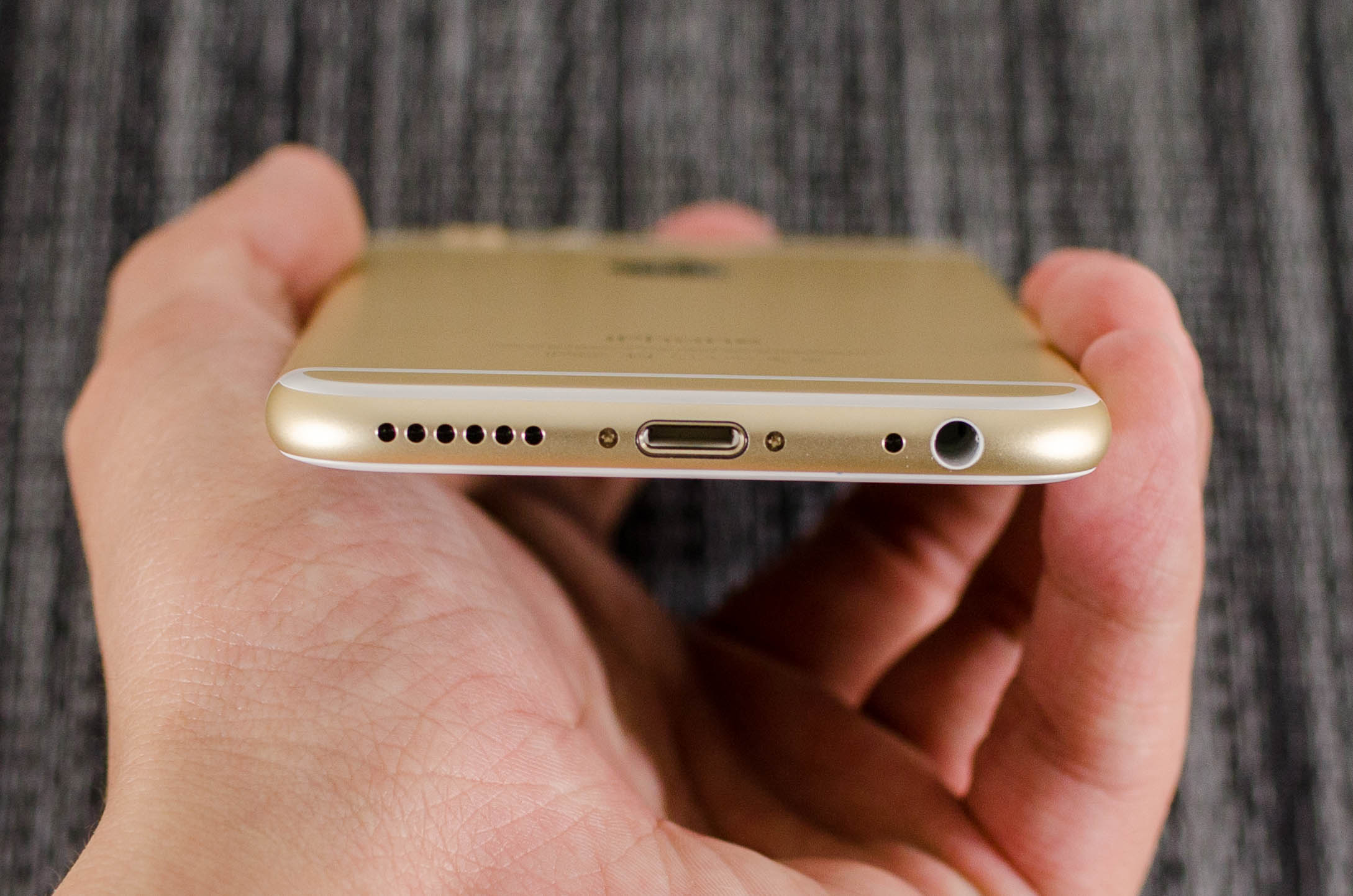
The iphone connector has no small fragile pieces like that.
If you mean accessories like wireless keyboards I think the same 'just works' arguments directly apply. There are lot's of terrable 3rd party products out there.
It doesn't, though. Apple hardware and software are fragile, buggy, and crash-prone. They beachball at the slightest provocation and destroy work with abandon.
And aside from that, well, "You're holding it wrong." If it only works for one narrow workflow, it doesn't work; it's a toy solution for a stripped-down toy problem.
So, your happy with the VHS and don't need to play Beta tapes.
PS: Sounds like your happy with a walled guarden and want something that just works. Did you get a Blueray player or a conbo that also handels HD-DVD's?
I don't see why it 'exploits the common good' to want to charge or monetise a service you provide.
To me this is a breach of trust - i.e. the underdogs are all about openness, they're growing based on the goodwill of the early adopters, then once they get big, they forget about openness. Personally I couldn't give a damn about Twitter's need to monetize, they should have thought about that since the beginning, before promising things they couldn't deliver and growing based on the generated trust.
Twitter is not alone in this, there are many other offenders, including Apple and Google. And they should really pay attention to what happened in the past, because once you piss off a significant portion of the industry, you can only go downhill from there. Companies like Microsoft can testify for that and oh look, they are the underdogs again.
To charge your users, no, of course not.
To charge advertisers and make your users products instead of customers, that's where the problem is.
(And part of the problem is that users have become so conditioned to getting services like Twitter and Facebook and Google for free that the idea of having to pay for those services would shock them.)
There already are Twitter apps for phones that don't display advertising.
(Previously I'd been scraping together Yahoo Pipes or Google App Engine based things people had made, each of which would work for about six months before something finicky would break 'em...)
Clearly for many businesses, walled gardens, avoiding "openness", works. That might be because they use it to create an artificial moat to protect their business (arguably LinkedIn here), or because it's the best way to serve their customers (Steve Jobs' argument, not saying I agree).
For customers, if the best experience is gained through a native app, then a native app makes sense from the company's point of view. This is why native apps took off in the first place, right?
Just because you or I believe in open standards and information sharing doesn't mean it's better from everyone's point of view.