With respect to the stocks just outside the index, I think you could argue that they are probably undervalued and thus should offer better returns. This is what an academic would say. However, the actual reality could be a lot different: if returns are dominated by flows instead of fundamentals (like they are now), maybe going with the crowd is the best investment strategy. Or maybe not, I haven't done the research.
One thing that every market professional is worried about right now is just how dysfunctional valuations and returns seem to be in the modern era. Stocks seem to go up for no reason and returns have been disconnected from both fundamental and quantitative risk premia.
What I can say for sure is that we are in a period of intense change in the financial system. No one knows what the future of finance will look like, 10 years, 20, or 30 years out. Will crypto defi take over? Will traditional finance be disrupted? No one knows, but it is certainly an exciting time to work in the capital markets!
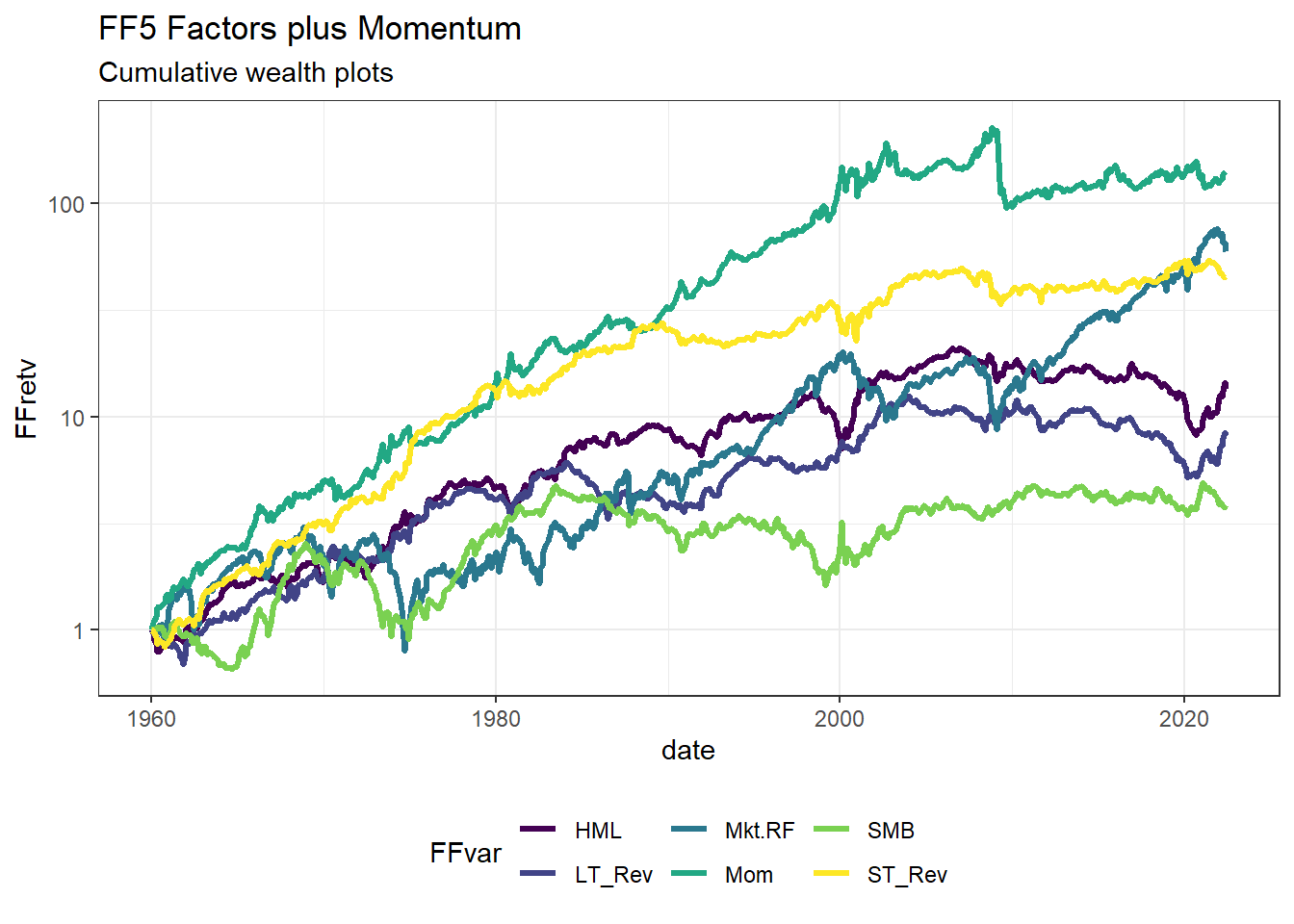
https://en.wikipedia.org/wiki/Fama–French_three-factor_model...
SMB stands for "Small [market capitalization] Minus Big" and measures the historic excess returns of small caps over big caps.
See for example https://www.msci.com/documents/1296102/1336482/Foundations_o...
What I mean is that I don't believe smb truly delivers superior risk adjusted returns. For example, I believe the betting against beta factor (BAB) does, while smb does not.
For what it’s worth, the value factor is not doing well recently either...
This would make the stocks that have less weight in the index or stocks outside the index relatively cheap and obviously offer better returns.
Anyone disagree?