Re:Interchange in Houston is the same size as an entire city...
by gambiting on Monday August 31, 2020 @02:23PM
(#24334377)
It wouldn't have. In case of an all out war each side would send dozens if not hundreds of rockets at each target. US in particular had the problem where each arm of the military(airforce, army, navy and missile command) had their own and completely independent launch plans. So each one would launch their own compliment of nukes at Russian cities. Destruction of your own missiles by the already exploding weapons was actually seen as a significant issue that would lead to loss of many if not majority of weapons. Eric Schlosser's Command and Control is, as always, a great read about this.
[ Parent
| on HN ]
Re:Interchange in Houston is the same size as an entire city...
by rtkwe on Monday August 31, 2020 @04:26PM
(#24335570)
In the beginning stages of the Cold War and the start of urban sprawl the threat wasn't rockets but bombers. ICBMs weren't created till '57 and took over the strategic setup for killing everyone in the years after that, so there's a window there for sprawl to be a legit(ish) survival/mitigation strategy.
Re:Interchange in Houston is the same size as an entire city...
by mcguire on Monday August 31, 2020 @02:57PM
(#24334760)
U.S. Strategic Nuclear Forces: Background,Developments, and Issues (https://fas.org/sgp/crs/nuke/RL33640.pdf).
The US Army hasn't had strategic nuclear weapons in a very long time, if ever. On the other hand, theater-level weapons like the Pershing (10s (mostly) to 100s of kt) do a pretty fair approximation.
I'm not sure what you mean by "missile command"; Army Missile Command mostly has problems, not solutions. (They build things.) (Standard Missile 3! (https://images.wisegeek.com/billboard-ad-against-blue-sky.jp...)
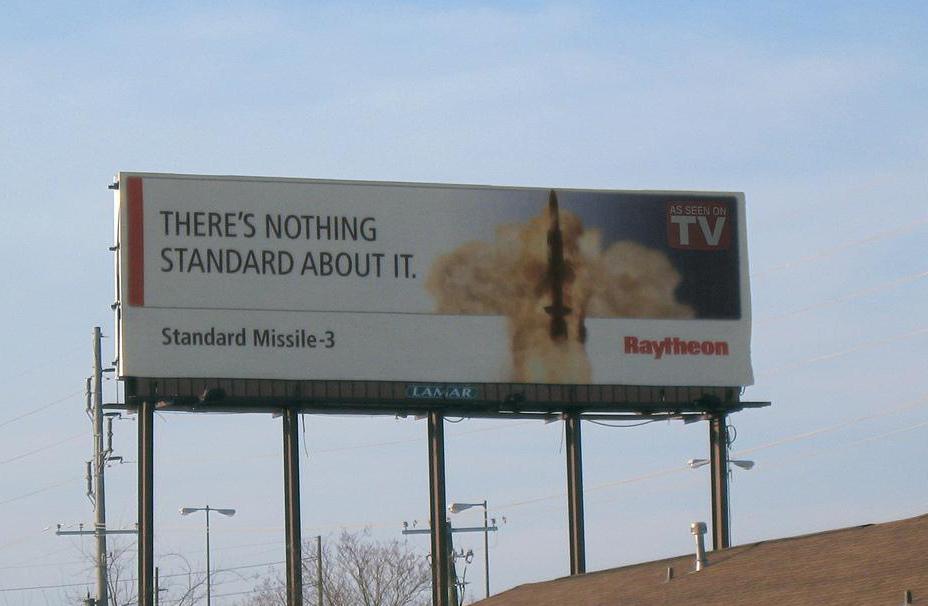)