This is just to increase the range of carrier based aircraft. Avoid putting carriers too much in the harm's way.
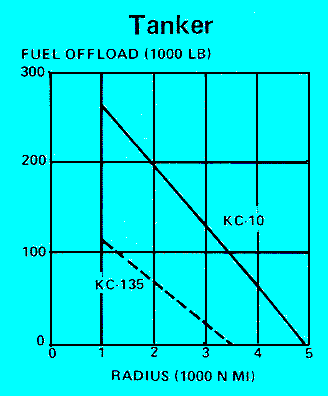
The lack of a dedicated carrier-based tanker aircraft is an unusual anomaly that's being worked around at great cost by pressing FA/18E/F aircraft into service as part-time tankers.
At its core, this will fix a regression in capability vs. unlocking significant new capability.
[1] https://en.wikipedia.org/wiki/Douglas_A-3_Skywarrior#Variant...
[2] https://en.wikipedia.org/wiki/Grumman_A-6_Intruder#KA-6D
Diplomatic relations with questionable regimes for the purpose of securing runways and supply lines for aerial refueling tankers will almost always be cheaper--in terms of both cash and international reputation--than building carriers (including the carrier-group support craft), training Navy crews, and deploying the carrier fleets to the desired operating theaters.
A carrier-launched refueling drone is not a cure-all. It fills a specific mission niche better than the existing alternatives.
https://web.archive.org/web/20111104063941/http://www.boeing...
The Super Hornet has filled in the tactical tanker role the Navy lost with the retirement of these older tankers. The problem with using the Super Hornet as a tanker is that on typical missions a fifth of the air wing is dedicated to the tanker role, which consumes aircraft fatigue life expectancy much more quickly than other missions. In 2016 a fleet-experienced naval flight officer said, “The Navy has painted itself into a corner with Super Hornet tankers. The mission eats up fatigue life at a ridiculous rate, and there is something really, really stupid about using your most capable strike platform as a tanker.” Because “classic” Hornets, through the FA-18D, did not carry a “buddy store” refueling pack, later-model Hornets are required. But the tanker mission badly eroded the Super Hornet’s six thousand-hour airframe life, further reducing availability, since FA-18Es typically spend 25 percent of their time tanking.