For substantial periods of the past 50k years, Australia, Indonesia, and the South Indian subcontinent were joined or nearly so, due to lower sea levels. Much of the area remains quite shallow. At about 15-20kya:
http://www.global-greenhouse-warming.com/ice-ages-and-sea-le...
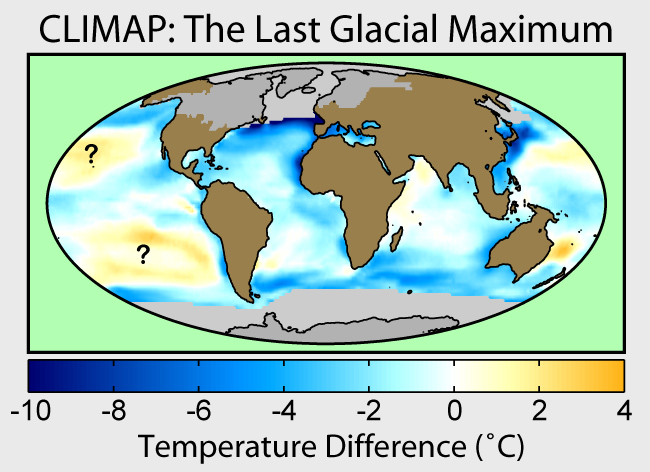
https://upload.wikimedia.org/wikipedia/commons/1/19/CLIMAP.j...
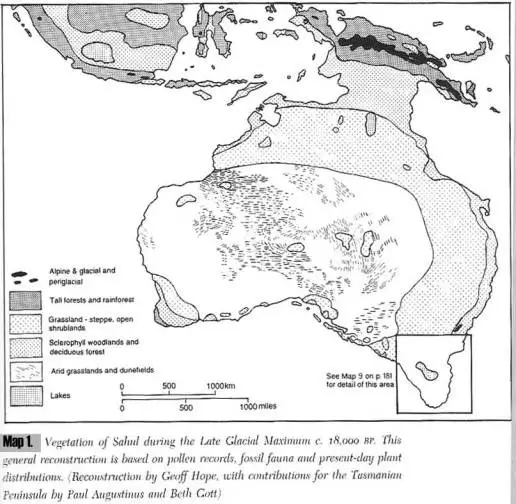
Australasia[edit] The Australian mainland, New Guinea, Tasmania and many smaller islands comprised a single land mass. This continent is now referred to sometimes as Sahul. Between Sahul and Sundaland – a peninsula of South East Asia that comprised present-day Malaysia and western and northern Indonesia – there remained an archipelago of islands known as Wallacea. The water gaps between these islands, Sahul and Sundaland were considerably narrower and fewer in number.
Thus, a 50 mile gap between Asia and the United states was likely crossed a few times.
There where early tool across Afro-Eurasia as far back as 1.7 to 2.6 million years. Early human ancestors may have maintained separate populations spreading genetic mutations between them with occasional waves of migration displacing existing populations. Supporting the first idea is the wide range of habitat giving advantages to prior populations who are better able to cope with existing conditions. http://www.nature.com/news/teeth-from-china-reveal-early-hum...
There really does not seem to be much evidence to tell one way or another.
However, if you accept the first habitation probably did not leave a lot of clear evidence some date prior to 46,000 years seems likely.