I remember buying this book as a kid http://www.amazon.com/Qbasic-Games-More-Fred-Sexton/dp/15652... and literally poring over it for hours (before the internet, you had a lot of free time as a kid) to see how to make neat graphic effects and games.
This was my very first programming book:
http://www.amazon.com/Absolute-Beginners-Guide-Qbasic-Perry/...
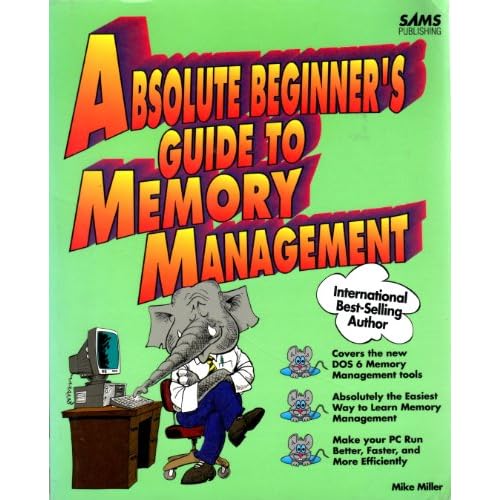
Amazon doesn't have the cover art, but it was very similar to this one:
http://ecx.images-amazon.com/images/I/51VswbyvRHL._SL500_SS5...
Re:The best QBasic game ever?
by illuminated on Tuesday April 16, 2013 @08:43PM
(#5561881)
Just realised, same indentation and no-end-character rules as python :)
Although I've been writing qbasic back in the days and now writing python for fun, I've never realized this before...
Re:The best QBasic game ever?
by damncabbage on Wednesday April 17, 2013 @01:03AM
(#5562779)
It's not white-space sensitive; "FOR" is the start of the loop, and "NEXT p" is something approximating the end (a goto or sorts).
Nearly every programming language follows those same indentation rules. And it's pretty common for languages not to have line termination characters too. What you're describing is pretty normal rather than a delightful coincidence.
I happen to have an old QBASIC book (pub 1993) next to me, and was skimming through it shortly before coming across this article.
Random file I/O :
The book then goes on to provide helpful ways to guesstimate at the record length of a file on disk.Drawing 2-D "staircases" diagonally in both directions across the screen :
Nostalgia, indeed :P