One of that article's points was that nuclear plants only succeeded as mega projects, because: 1) they dovetailed with weapons programs so had a huge additional funding pool, 2) big projects add thermal efficiencies that bring the cost per kwh down significantly 3) any project needs near military grade security, which doesn't doesn't suit small sites
And even if you're building a mega site with military defences, you could still build it by having 10 small reactors. If they are cheaper to build "per megawatt" due to economies of scale, you are still ahead.
This is a little absurd, given that the road going up to similar plants have a number of warning signs to turn around if you have no business going there. This includes a very ominous “last chance” sign, probably before paramilitary forces pull you over.
I ran into this situation recently when I naïvely went looking for the Nuclear Information Centre (a sort of nuclear mini-museum) that used to be near the gates of Darlington about 25-30 years ago.
(1) https://www.opg.com/wp-content/uploads/2023/06/BWRX-300-rend...
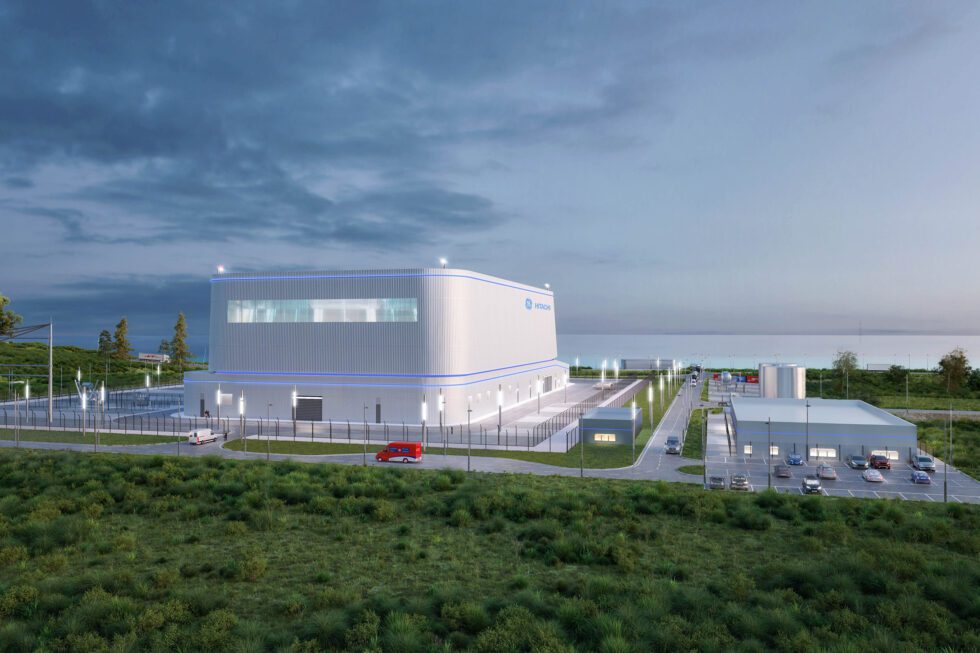
(2) https://www.opg.com/news-resources/education/visitor-centres...
Terribly long waffling about small and rather unconvincing human problems and politics.
I kept hoping that he will get to actually spelling out the x, y, and z reasons why SMR's are not viable.
Instead I got one of those ultra long sales pitches that has a wall of text but no argumentation.
Currently I'm in a position where I don't buy any of the marketing SMR people put out before they start delivering projects and start hitting economic and reliability targets.
I would have wished a conclusive and convincing argument "this is the reason why SMR makes as little sense as hydrogen" but it just was not in that article.
EDIT: he points out Bent Flyvbjergs work about megaprojects. I highly recommend his latest book on delivering and failing to deliver Megaprojects[0].
[0] https://books.google.sc/books?id=95RCzwEACAAJ&q=How+Big+Thin...