They have USB chargers and WiFi on half of them.
[0] Zone A: core; Zone C: the part of the commuter belt outside the city limits; Zone B: between A and B — https://sbahn.berlin/en/tickets/the-vbb-fare-explained/fare-...
Of course the city also needs to support walking the final 300-2000 ft to your destination after the bus stop. If most of your stops are some BS office or industrial zone, with roads build for cars, no shade, no shops, and nothing to do around, it's pointless.
https://www.sfmta.com/sites/default/files/styles/teaser-col-...
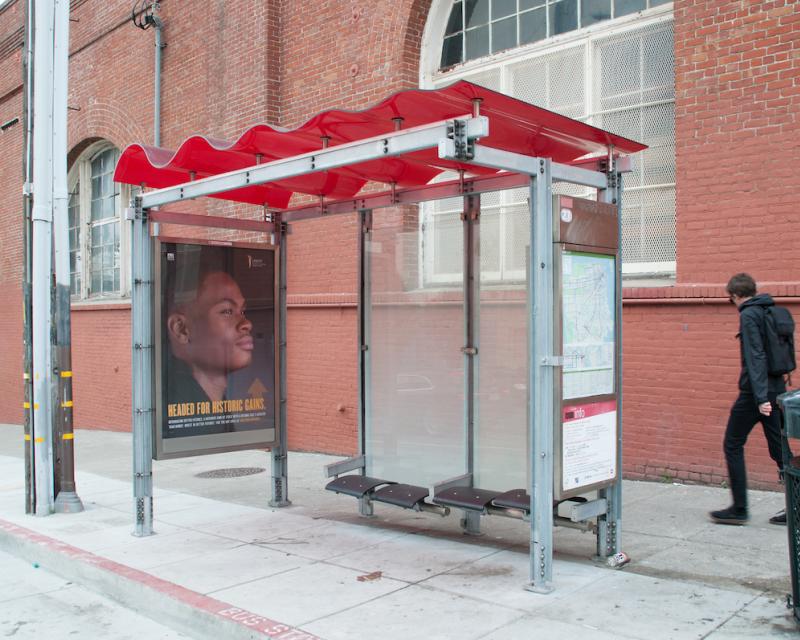
I was only there as a tourist though, I don't know how well they'd be for day-to-day life and cross-town trips.
In other cities where I have used buses regularly, I've found them to suffer a bit from limited routes, transfers, it taking 2 hours to get anywhere, and then buses stop running too early at night.
+ hard plastic seats
+ inadequate climate control
+ poor maintenance leading to excessive nose and exhaust fumes in the cabin
+ extremely poor personal space
+ seating configurations with poor leg room
+ convoluted routes and schedules, degrading point-to-point travel
+ the driving can be uneven, because they aren't much better off than riders
Light rail is better because the folks who design and operate the systems aren't bent on bargaining away the entire rider experience.
hard plastic seats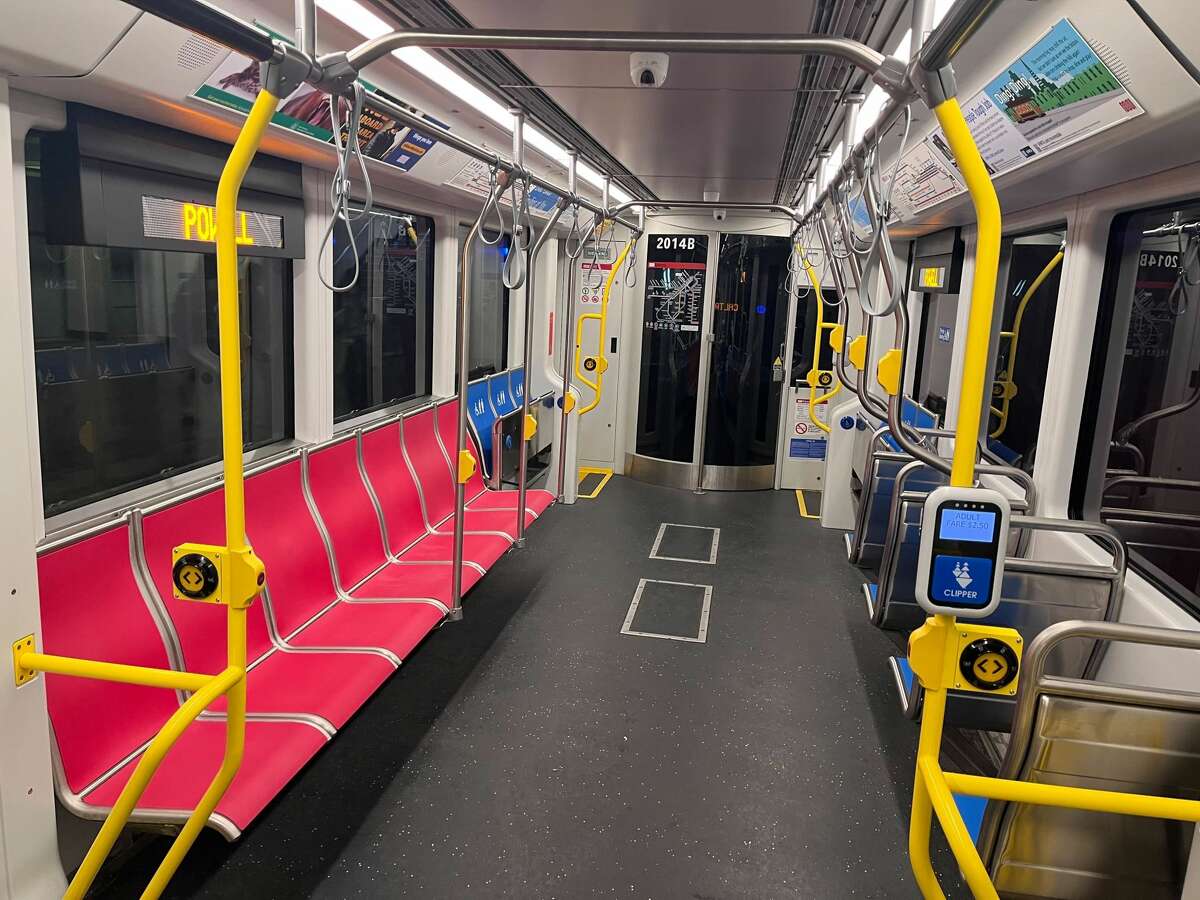
inadequate climate control
poor maintenance leading to excessive nose and exhaust fumes in the cabin
  extremely poor personal space
  seating configurations with poor leg room
Check out that seat right by the articulation joint. Or the seats next to the stairs
convoluted routes and schedules, degrading point-to-point travel
the driving can be uneven, because they aren't much better off than riders
Light rail can be better but not always. Certainly the diesel vs electric issue can come into play (although you can make some truly awful trolley coaches too).
Because rail routes are fixed, that means that developers can count on their longevity, and therefore they develop real estate to match it. A rail line can greatly gentrify the neighborhoods it runs through, given a decade or two to get started. This is a big reason why many neighborhoods will protest and block and vote against any rail lines being built near them, because they know it will start the timer on rising property values, rising rents, new neighbors, and the destruction of low-income and affordable housing.
Central planners might like the idea that they can choose which neighborhoods will succeed, but count me among those who think they can F themselves.
Buses work. They're cheaper than every kind of rail. They're more flexible. But planners and meddlers want control.