The world uses 60,000 GWh of electricity per day. Global battery production is only build ~400 GWh of batteries per year. A day's energy storage amounts to over a century of battery production. Storage is nowhere near as simple as "buy a battery".
This is 8 hours storage for every W of nuclear added in the largest historical year of generation.
> And what powers the turbopumps that make your plumbing work
Because moving water around using wind power is far future scifi tech and not something done for centuries.
And again, the question is how do you move the water around when the wind isn't blowing? Or do you think citizens are just going to be okay with plumbing that only works on windy days. The point is that household energy use is hardly the only kind of thing that needs to be backed up by a storage system. Energy demand cannot easily be cut without making significant sacrifices in standards of living and industrial output.
Yes, people have used wind pumps to pump wells in villages and homesteads. But that's because they didn't need that water on demand, it's just a labor saving device used opportunistically. But it's a lot harder to pump water to the top of a skyscraper, and to a city of millions of people. This kind of pump [1] is not a drop in replacement for this [2] kind of pump.
In conclusion, we'd need a way to provision massive amounts of storage to get renewables and o become a reliable source of primary energy. It's costs are being measured in the context of opportunistically replacing fossil fuel power. But in a context where fossil fuel use is not permitted, it would be highly impractical without an incredibly performant form of storage. Perhaps heated sand, compressed air, electrolysis, etc. will deliver that. But thus far they haven't, and in the absence of such a storage system nuclear power would be a more reliable path of decarbonization.
1. http://www.historyofwindmills.com/images/historyofwindmills/...
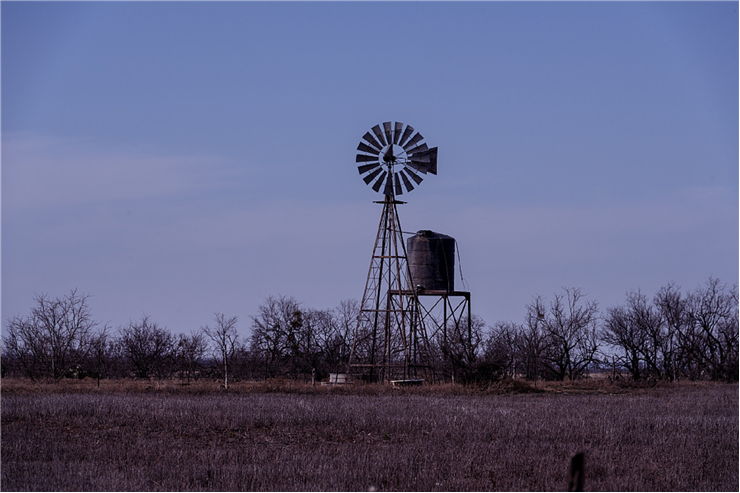
https://upload.wikimedia.org/wikipedia/commons/5/54/Wood_Scr...

Oh no, storage might only be buildable at a consistent 4x the peak rate of nuclear additions instead of 8x. Guess we better give up and use fossil fuels for 20 years while the nuclear industry starts up.
Not only are there a host of ways of covering constant energy demand with VRE, but you still don't seem to be able to comprehend the idea that water can go downhill. Why would we listen to energy advice from someone who doesn't understand ideas that are millenia old like a water tower or that bricks can stay hot for a day or two?
https://www.nytimes.com/2018/05/26/realestate/how-new-york-w...
https://www.hkywater.org/education/i-didnt-know-that/why-wat...
For the handfull of situations where the buildings are too tall for more than firefighting water then batteries are more than sufficient.