You are right that lots of people don’t want to buy a car after 175K miles, which makes them cheap for me.
There are older cars that could make it --- but the potential risk of leaving them stranded is just too high for a lot of people. It's a judgment call but this perceived risk has a definite adverse effect on the value and utility of older vehicles.
Honda's are pretty reliable but they tend to fail in spectacular and expensive ways.
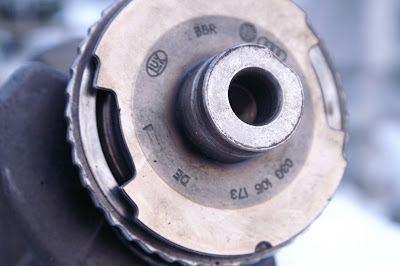
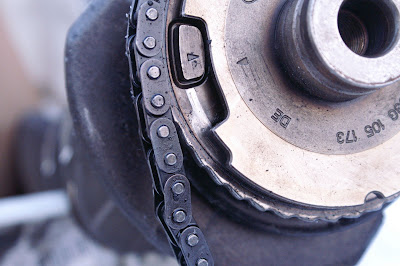
In contrast German cars wear out mechanically or kill you slowly with electrical system deterioration. Parts are meticulously calculated to need replacement at a set point of vehicle life. One example: Audi (VW group) 2.0 TDI BLB Engine is made to fail at ~200K no matter what you do, from oil pump to head micro fractures. Crankshaft sprocket at 200K
http://lh6.ggpht.com/_m_33vQTtsxM/SyuSlFIeSXI/AAAAAAAAG9o/rt...
http://lh3.ggpht.com/_m_33vQTtsxM/SyuSn5YALLI/AAAAAAAAG9s/ul...
http://lh3.ggpht.com/_m_33vQTtsxM/SyuSp1yUs4I/AAAAAAAAG9w/mO...
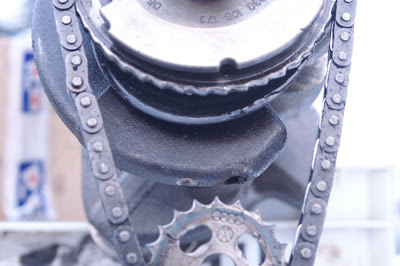
VW answer: this part is non serviceable, whole crankshaft needs to be replaced :D Why is it made out of putty while smaller sprocket (the one taking more force) is still ok? Why is it designed not to be replaceable? Good 'old timer/not by the book' mechanic is still able to replace it (heat whole crankshaft, use big hammer). In good heavily driven cars 200K is usually first crankshaft turn/grind, engine block itself should be good for >500K easily. Not here. Smells like planned obsolescence, if not on purpose then as a byproduct of cutting part safety margins to the bone to save cents on the dollar.
The only car brands you're talking about is Japanese brands and maybe the Korean ones.
Beyond this, the cost, inconvenience and risk of breakdowns, repairs and rebuilds are more than most are willing to tolerate.