Those jobs hardly add any value to society (let alone economy). If you just hand out money instead, some people might find something more useful to do, or at least be better off for themselves. See also David Graeber's essay "On the Phenomenon of Bullshit Jobs".
We provide a jobs program for white-collar folks through our excessively-large and exceptionally expensive healthcare system. We pay for whole categories of jobs that don't need to exist and are only adding costs. A double-digit percentage of our healthcare costs are a white-collar jobs program paying people to do nothing useful whatsoever, and we spend a lot on healthcare so even 10% makes it a fairly big program.
https://d-pt.ppstatic.pl/k/r/1/6c/83/5b7d5e3b2b9de_p.jpg?153...
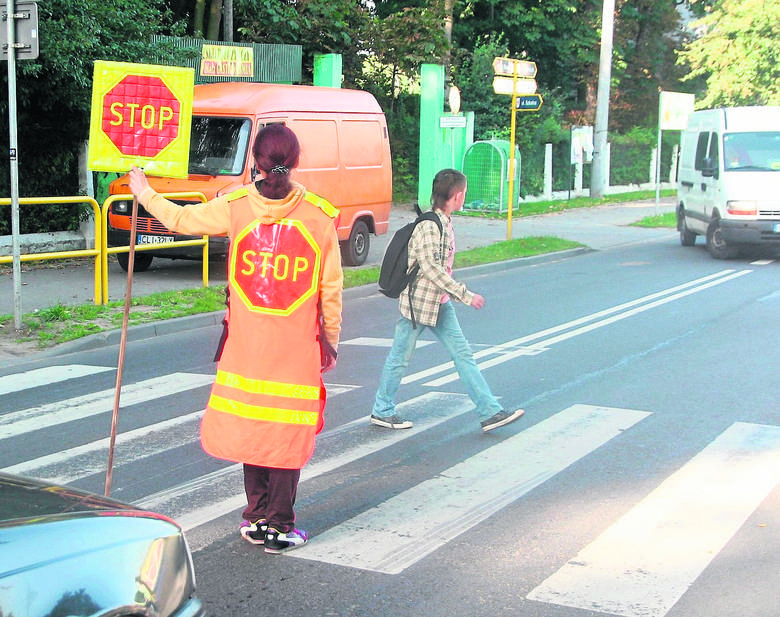
Anyhow my point is it has little to do with system redundancy.
It's not important that all jobs are high value, it is important that we as a society have a way to create and recognize purpose for individuals to support their mental and personal wellbeing. While welfare / UBI may ensure they have basic needs met to sustain life, it does nothing to support their mental and personal wellbeing, which is why these systems often results in the creation of delinquent behaviors that are mostly absent in a system like that in Japan.
It may be the the same economically, but socially it is much better to have someone doing an "unnecessary" job that is recognize as valued by society vs simply collecting a check.
You say they're standing there in place of a traffic cone, Japanese society instead says that they're there to provide a friendly face ensuring safety of passersby around the dangers of construction work. A traffic cone cannot assist someone who has trouble walking to traverse rough ground because of the work being done. A traffic cone doesn't smile or acknowledge your presence.
That sociocultural element is what has value, and as long as it has value, the job is valuable.
The minute we got off the plane in Tokyo we were met by a greeter pointing people to the escalator. Not that you could miss it, that was the only exit.
In the city you could see people guarding potholes. Bus stations (not particularly busy) would have a couple men at each station that would help arrange the passenger luggage: something usually helped by the driver in the West.
Once we took a night stroll in the city, meeting a roadwork on a deserted street. There were 3 men along the fenced dig basically showing us to walk around it.
Can't see any of that sustainable if you pay people full wages.