Firefox blocks third-party cookies used for tracking, not first-party, which is what GA uses. [1] The story that spread last year that Firefox blocks GA turned out to be a myth.
I don't know why you're trying to promote a narrative that Firefox is far more popular than analytics show, but that's simply not true. Heck, just dump user agent headers on your own websites and measure those -- nobody's blocking that.
[1] https://www.upbuild.io/blog/firefox-google-analytics-data/
Similar: according to GA we had 0 people using Brave, Opera Mini or Icecat, yet the logs did show a (statistically insignificant) handfull of users using that.
So, while there is no technical reason why firefox might be underrepresented, there is a practical and explainable difference in some cases.
Edit: when I say "noticable", I mean that it could be percieved, not that it orders of magnitude or even significan enough to matter for the business or our choices.
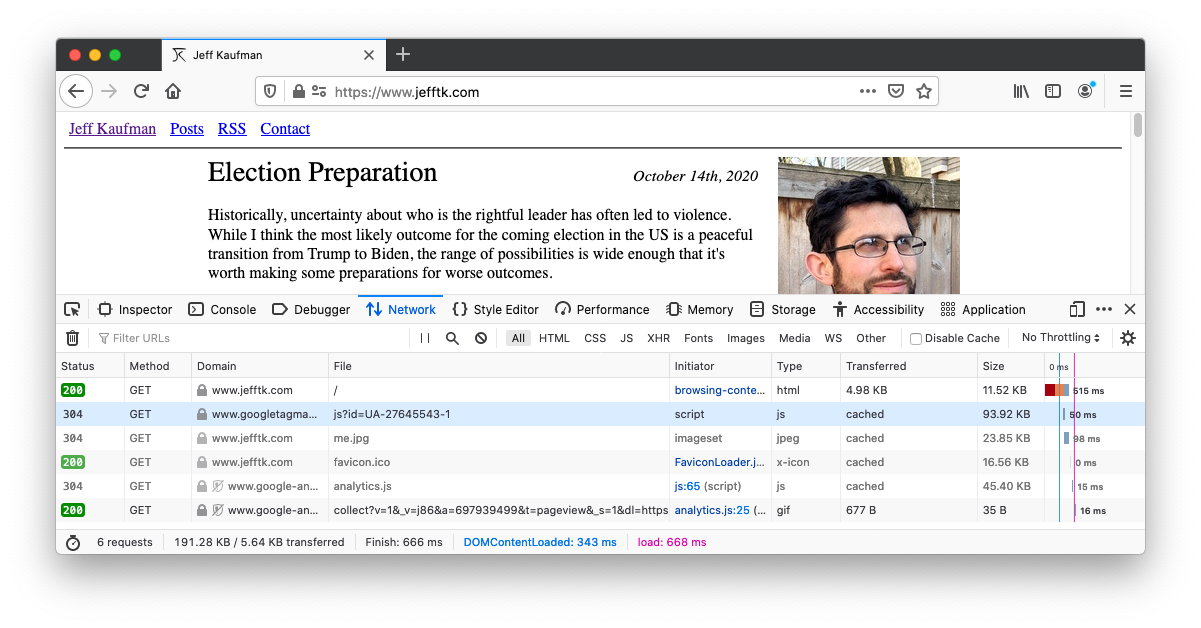
Firefox blocks many trackers, including Google Analytics, by default.
Chrome does not block trackers by default, and has been known to connect to Analytics even with plugins meant to block it.
Hence the numbers will show FF basically as non existing. Which is just where G wants them to be.
They do have some stats based on their own (much maligned) analytics, but nothing that can be used comparatively (at least AFAIK - would be happy to hear otherwise).