I am from Ukraine. While in theory district heating is awesome there are some problems in implementation:
* every summer there is a three weeks period without hot water, a lot of people have electric boiler as backup, it is even bigger than gas boiler
* no hot water in off peak time on upper floors of old buildings, have to flush some away, fixed with loop in new buildings
* old buildings vertical heating pipes makes it impossible to bill apartment, no incentives for heat insulation (wall and windows) or reducing temperature, 25°C in winter is a norm, fixed with per apartment pipes in new buildings
* a lot of heat escapes pipes, melted snow patches in winter
* fixing broken pipe is messy, change of the pipes even worse, seen both
* requires high level of participation - at least some small towns have no district water for 20 years, some even without district heating
* modern gas boilers are 90+% efficient [1]
Some new buildings have heating plants, looks like a better idea. But heating is a big part of CO₂ emissions, stored hydrogen heating plant is a future. Even better if it is a power plant too.
[1] https://www.theheatinghub.co.uk/boiler-efficiency-guide-and-...
My family lives in a relatively small town in Ukraine, got fed up with that and installed a gas-powered heater that serves both heating and hot water. This setup is 15+ years old already, never looked back. When the rest of the building is freezing cold, it just works.
This exists in some cities in the United States, but it's usually older cities like New York and Chicago.
The plus side, is that often if you have a building with district heating, you will also have district cooling.
On a somewhat related note, some of the buildings in Chicago heat and cool themselves with water pumped directly from the Chicago River. Lake Michigan acts as a giant thermal reservoir. ("Cooler by the lake," as the TV weathermen say.)
http://buildipedia.com/aec-pros/engineering-news/torontos-de...
It's also interesting that it's also part of the city's drinking water supply:
> The Energy Transfer Station includes large arrays of heat exchangers that allow the heat from the downtown chilled water loop to be rejected into the city’s drinking water supply before distribution to the public. The heat removed from the downtown chilled water loop is therefore never transferred to Lake Ontario and the slight temperature increase is insignificant for water utility consumers.
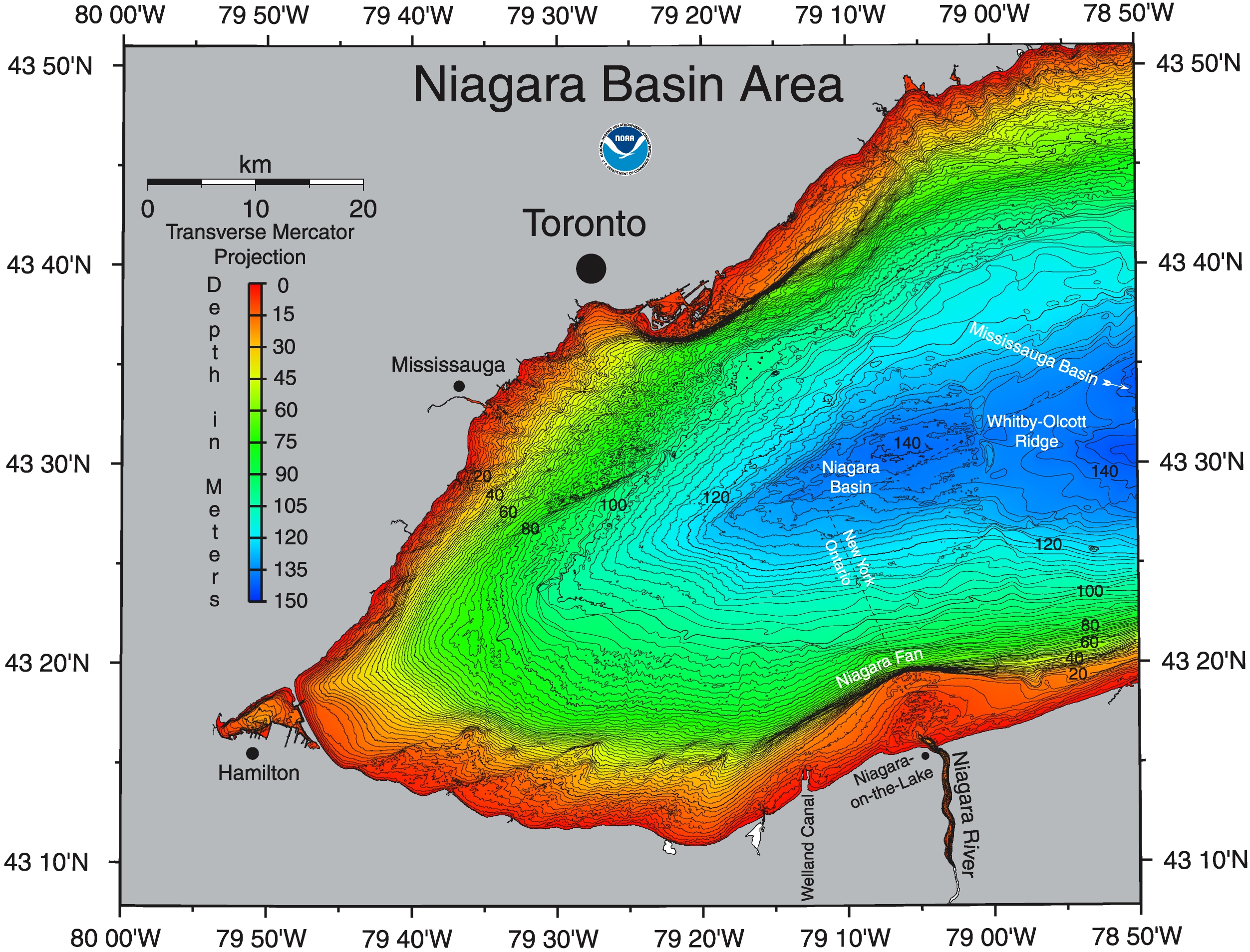
> Three intake pipes run up to 83 m (272') deep and out to 5 km (3 miles) from the shore. The physics of cold water are factored into the design. Water is most dense at 4 degrees Celsius (39.2 degrees Fahrenheit), ensuring that the cooling water removed from the lake bottom will have a consistent year-round temperature at the system’s intake points. The cooling water to be used by the Deep Lake Water Cooling system first goes through Toronto’s standard water treatment process to become regular drinking water.
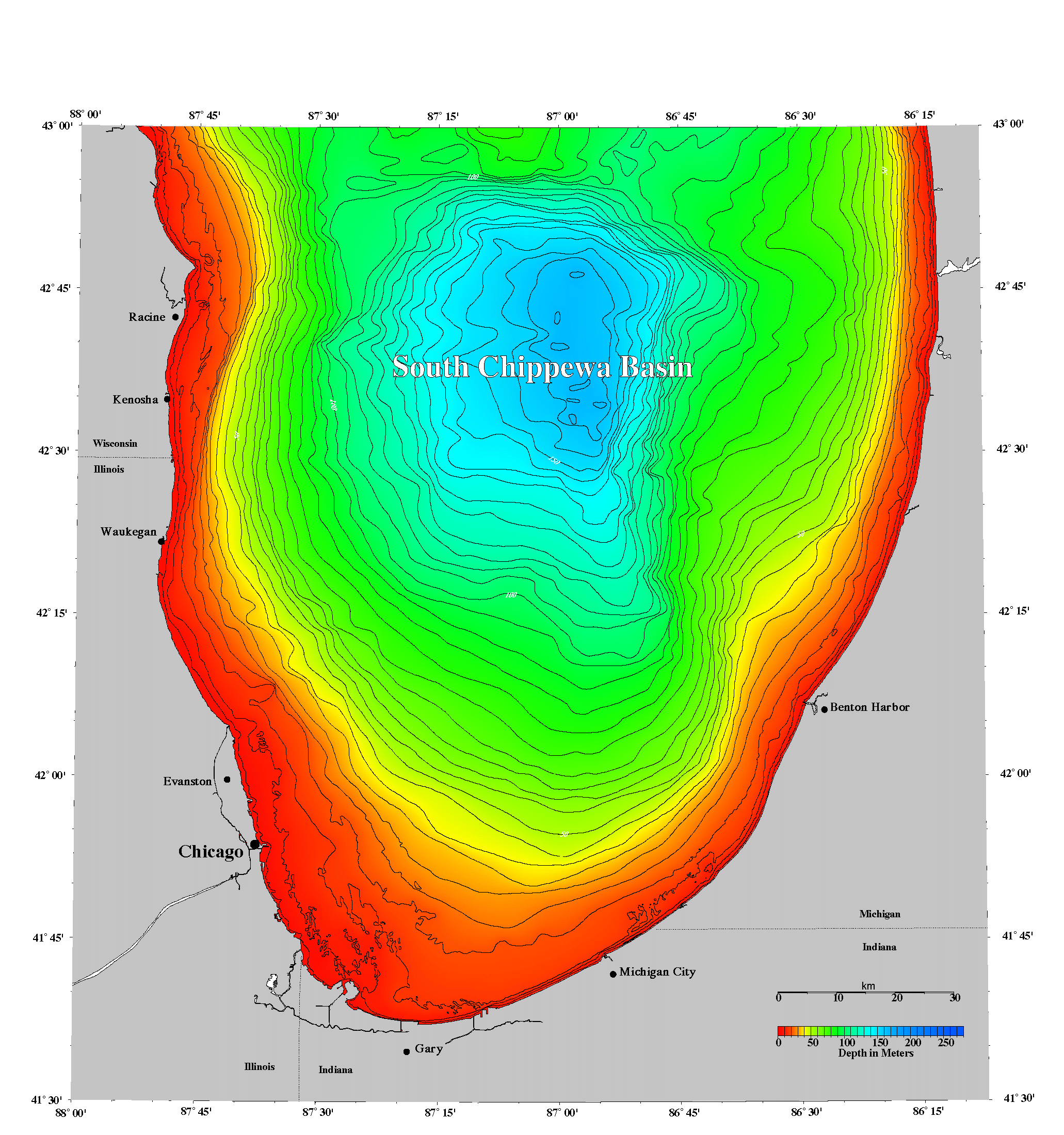
I'm not sure that there is any other large city in the world that has deep enough fresh water so close that this would work. Such a system would be welcome here in Chicago, but it isn't feasible. You'd need to go 30-40 km into the lake before it got deep enough [2].
[1] https://www.ngdc.noaa.gov/mgg/greatlakes/lakeontario_cdrom/i...
[2] https://www.ngdc.noaa.gov/mgg/greatlakes/lakemich_cdrom/imag...
Individual gas/electric boilers are a pretty good solution. Maintenance isn't that hard, though legally you need a Gas Safe certified technician to do everything, and they're smug, expensive, slow, and not all that smart tbh. But because there's no competition you have to put up with that :D
That was the most frustrating thing for me - I could do everything myself, but wasn't allowed to.
UK housing stock is in desperate need of upgrades, most houses are literally bleeding money through the walls because of poor insulation, and because heatpumps are much more efficient that boilers.
Consider that they are more economical when supplying several houses, pay for themselves over time and that interest rates are zero. It becomes obvious that we need a large-scale program of energy efficiency upgrades, it would create jobs during a recession and help address climate change.
Firstly, it's incredibly expensive. There's no regulation on the price you can charge for heat, and there's no competition for supply like gas and electric. So the apartment freehold owners charge eye watering fees for it. I could save probably 50-75% a month even paying for the cost on a new boiler, plus a service package.
Secondly, there are a lot of outages. Much more than I've ever experienced with standard boilers.
The outages are quite literally out of your control, unlike a gas/electric boiler where you can get someone to fix it out of hours. One particularly bad outage was nearly 48 hours in winter over a weekend, caused by incompetent building management and a seeming inability to get highly specialised parts from Germany to the UK to fix it on a weekend.
I've obviously had normal boilers break down but usually they can be fixed in a couple of hours, at least temporarily enough to get a proper fix sorted.
In addition to hot water since 1927:
https://fr.wikipedia.org/wiki/Compagnie_parisienne_de_chauff...
In Russia and Czech Republic we have district heating, you just get billed for the amount of hot water consumed. Some of that heat comes from industrial sources or nuclear power-plants.
Even where it's coming from a giant gas boiler, they can be efficient combined heat and power units. Ofcourse, some of that infrastructure is old, but a rich western country should be able to do even better.
We'd only have a boiler in rural areas, to have them in apartments is just madness.