The hard part about Kabul is the geography. It is a raised elevation surrounded by a ring of mountains like a large crater on a giant mountain top. The bowl shape traps the air pollution within the city and it absolutely does obscure visibility.
Here's a picture from Kathmandu in 1920. It appears to have poor visibility, but it's unclear from the picture whether or not that is pollution or weather.
https://en.m.wikipedia.org/wiki/File:Kathmandu_Basantapur_Du...

here's another near the same period that shows similar levels of visibility:
https://upload.wikimedia.org/wikipedia/commons/8/83/Kathmand...
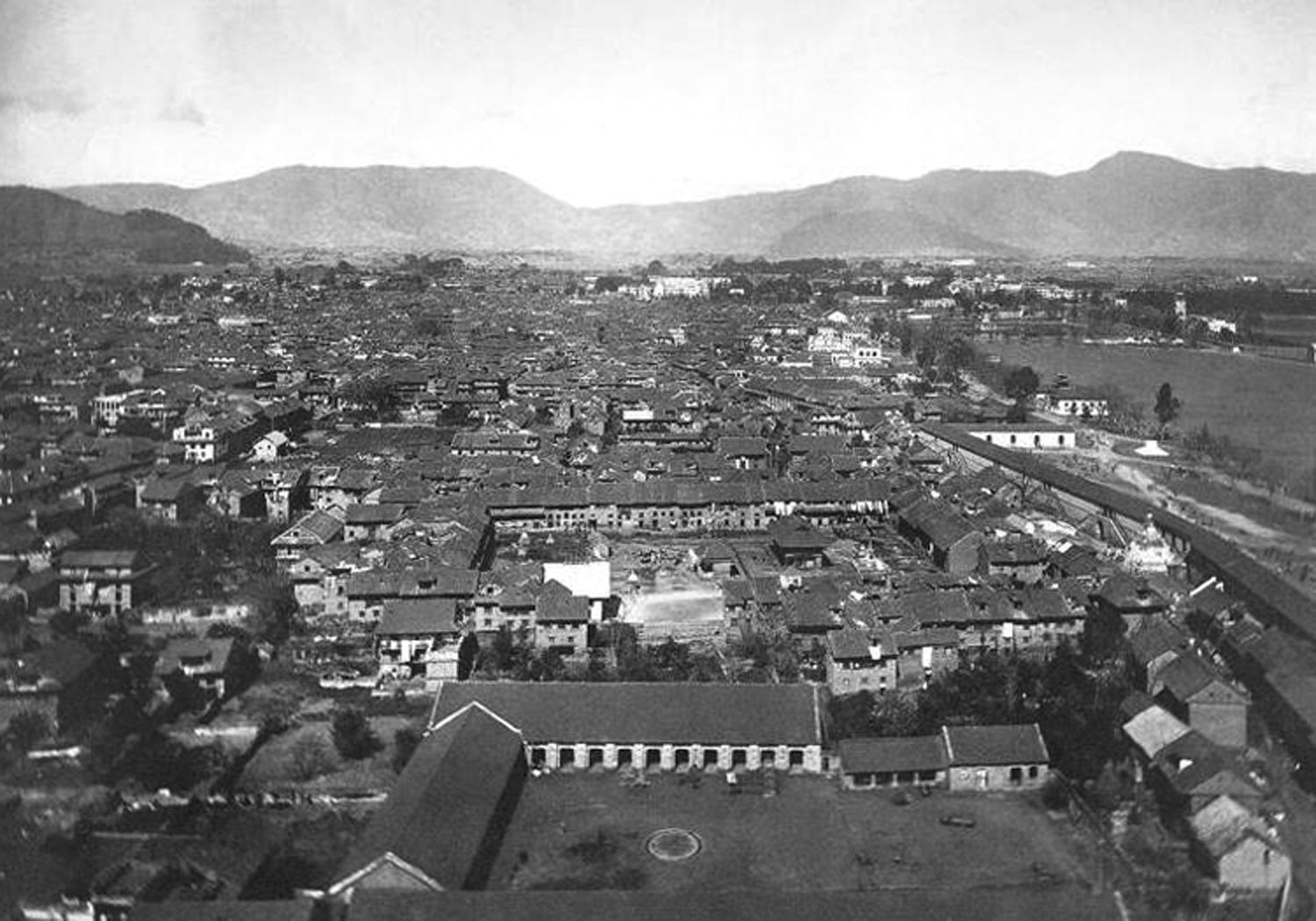
You don't think it's the quality of a 1920 photograph?
As a kid who watched a lot of 20/20 and 60 Minutes, I was always afraid of the smoke because people would often toss batteries, PVC pipe, etc, in their trash pit. But it was normal behavior, so when visiting someone's house I just tried to stay upwind of the cancer cloud.
Brick kilns, yes. Heating and cooking, not really. People either use LPG stoves or induction cookers.
Btw, burning biomass would not change the problem. Wood and charcoal is biomass too.
But that's not really important, because even if only 20% of households used wood/coal for cooking, it is very much noticiable.
Also it looks like Kathmandu is in a valley which can concentrate the issue so a smaller absolute amount of particulate pollution can have more impact than the same activity on a plain.
I also question the “living memory” assertion.
-An ignorant (as I have never been within 1,000 miles of Kathmandu) guess is loads of wood-burning stoves; they soot like mad and can make Woody Allen[0] trust the air.
[0] When asked about NYC air pollution, he allegedly quipped that he didn't trust air he couldn't see.
I think the main issue in Kathmandu is that it is surrounded by mountains, which trap pollution in. This is a problem for all cities with similar geography.
But, seeing Mt. Everest sitting from my terrace at home in Kathmandu (theoretically as I am in Boston, but some of my folks in Nepal see Sagarmatha (Everest) now) would not have been possible without all this pollution throughout Nepal going away.

If you got to the south of Kathmandu e.g. Chobar where this photo was taken, Everest is no longer obscured as seen from this image https://i.imgur.com/JCMmhTs.png where the line between the Everest summit and Chobar is seen passing Kang Nachugo.

"Contrary to everyone’s belief, Mount Everest can actually be seen from Kathmandu. The Chandragiri hills in Kathmandu offer a panoramic view of the Himalayan ranges and Mount Everest on a clear day. There are also viewpoints and hill stations just outside Kathmandu – Daman, Nagarjun and Nagarkot where the mountains are visible."