Incorrectly wired outlets do occur even in the US, so it seems like it's safer to take that possibility into account and just design the whole system to allow them to be interchanged (e.g. make power switches open/close both lines)
On appliances with a physical on-off switch, it's best to have the switch as close as possible to the cable, and on the 'hot' side. If there's a fault (wire touching the metal case) then the appliance is still safe with the switch 'off'.
Nowadays, I think everything would have double-pole switches anyway.
The american design is clearly superior.
Perhaps it isn't common, but my experience with the sockets in Belgium was scary to me because there were two outlets embedded in a recess quite close to each other. Close enough I was afraid I'd shock myself trying to get a good grip on my plug and pull it out.
Perhaps there's a hidden mechanism that enables power after insertion? There was no switch for each outlet. I no longer remember if there was a switch for the pair of them but I don't think so as I was worried about getting shocked. This was in a Belgian hotel I visited a few years ago. Sorry I didn't take a picture.
This is probably the only case when CEE-style socket is not designed such that it is safe to use with any CEE-style plug that mechanically fits. In general I view the system as better design than BS 1363, because it solves the relevant safety issuess without overengineering and with reasonable degree of backward compatibility.
Outlets next to each other, still without cover: https://www.entscheider.com/elektriker-und-elektroniker/wp-c...
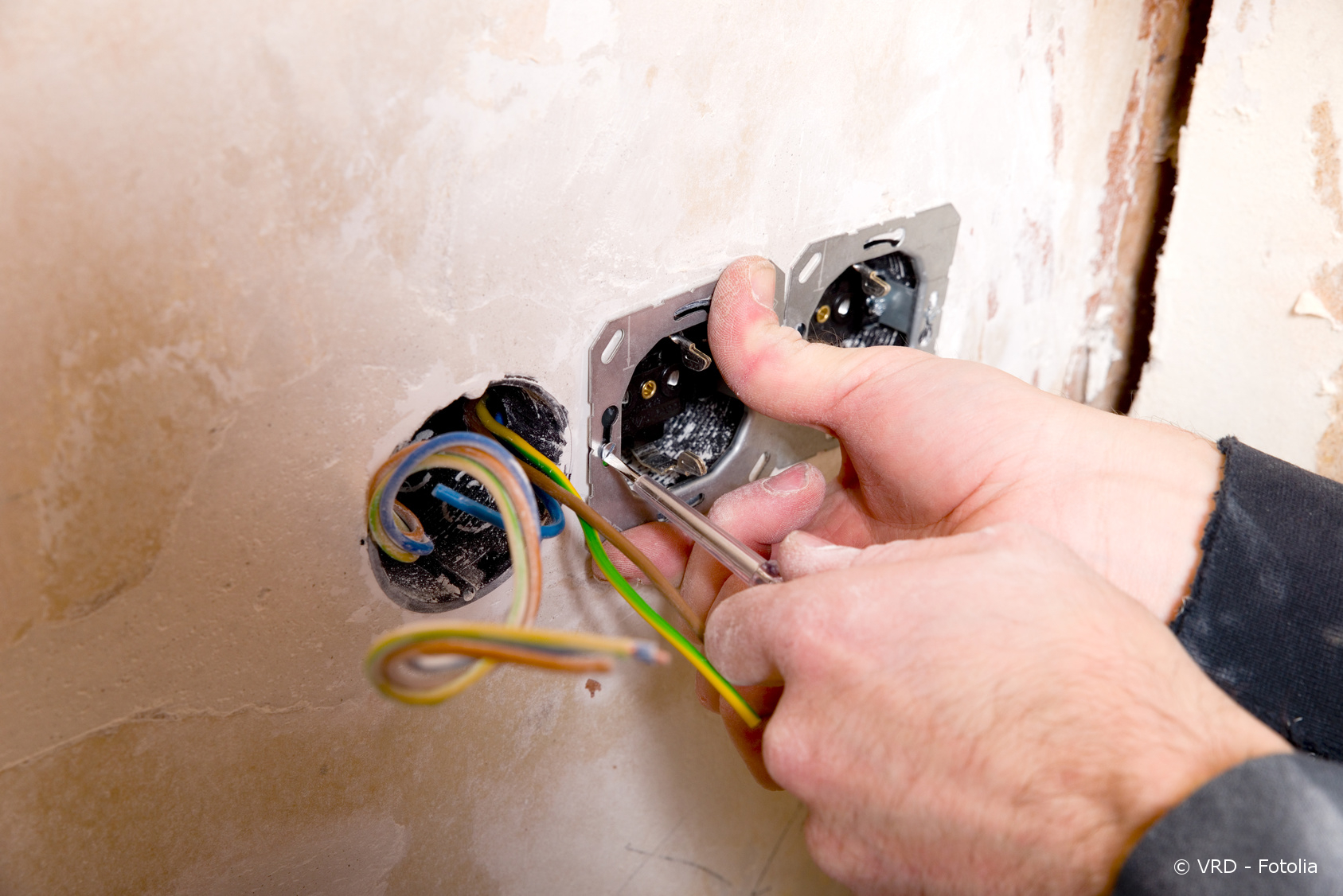
Maybe even like this (seems to be older): https://de.wikipedia.org/wiki/Schuko#/media/Datei:Doppelstec...

Definitely not normal what you describe there. I'm glad you were cautious.