http://www.newgeography.com/files/cox-toronto-evolve-1.png
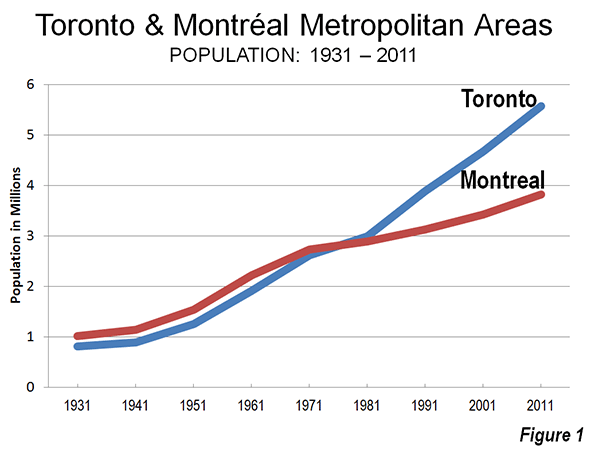
By all means they should be the dominant city in Canada instead of Toronto, or at least equal. But they are so obsessed with mirroring France's obsession with rules.
Canada almost always ranks near the top of the Economic Freedom Indexes (higher than the US), while France is in the middle ranking below most post-soviet eastern European nation states.
[1] https://www.theglobeandmail.com/investing/personal-finance/a...
But I now see it as a far better tourist destination than somewhere to build a life/business. Unless you're an artist or student who can't afford rent in a big city but still want to live in a big city (which is what 99% of the young people I met seemed to be doing, a whole lot of creative but unmotivated individuals).
I also found the stereotypes of the francophone Quebecois I heard my whole life growing up in Ontario to be surprisingly accurate (I went in highly skeptical as I'm a bit of a snob myself). The francophone parts of town were often both rude and hostile to someone still learning the language, while local laws force every worker to start every interaction in french. I was basically forced to start every interaction in every cafe/convenience store apologizing that I don't speak french well and continuing in English, missing every opportunity to learn. I also witnessed multiple protests over companies like JC Penny and not french-ifying their brand names (which sounds crazy to me), which I thought was ridiculous and unsurprising that business was slow there.
I spent a year living in MTL then came back multiple times over the last decade and very few new buildings or businesses changed. Meanwhile Toronto build about 100 new skyscrapers and new companies in the same time period.
> Ever notice that Canadian contests keep barring the poor residents of Quebec from entering? It's not that contests are illegal in Quebec – it's just that the government makes it especially difficult to run one.
> For one thing, contest runners have to pay tax on the value of the prize. For another thing, contests with prizes over $2,000 have to register their rules with a government agency, the Régie des alcools des courses et des jeux – which is usually just referred to as the "Régie."
> To top it off, contests with prizes worth more than $5,000 actually have to deposit an amount as a security with the Régie, as a means of protecting consumers should the contest runner fold or renege.
> When compounded with the complexities of working in two languages at once, many contest runners simply disqualify entrants from the province.