Previously the idea that you would struggle to know what specific product an ad is selling, where to buy it, what it costs, and what it's features are would seem obscene, but these days concepts of brand, desire, status, aspiration, are so omnipresent that deriving any pertinent details is now a common experience.
Pre that, it probably is all the same, because modern advertising is, fundamentally, just propaganda rebranded by ad men.
http://christinetrent.com/wp-content/uploads/2017/02/cigs-10...

http://christinetrent.com/wp-content/uploads/2017/02/pills.j...

http://www.nationalarchives.gov.uk/wp-content/uploads/2014/0...
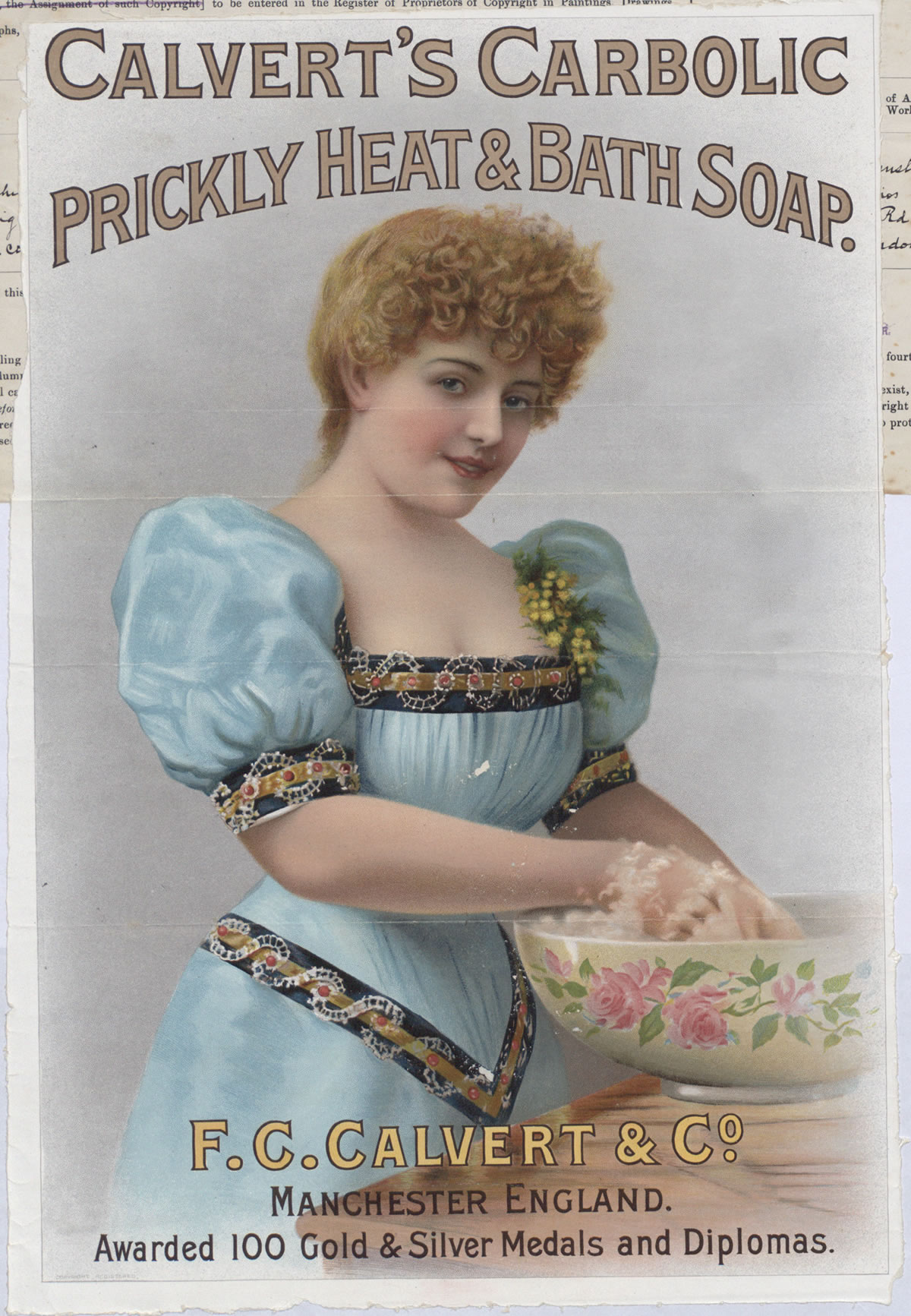
Industrial printed advertising started in the early 19th century with the first stirrings of printed mass media.
But flyers and noticeboards have been around since at least Roman times, and limited-run pamphlet and newspaper/gazette ads were already a thing as far as back as the 16th century.
The propaganda research is more Type 3 - tailored ads designed and monitored for effectiveness. Before Bernays ads were hit and miss, usually made by someone with a brush who could draw and set type.
After Bernays it became a huge industry of influence, and concepts like branding, image, narrative, demographics, and dramatisation began to be used consciously.
On the other hand, your third example is definitely Type 2.
The presence of pretty women is a popular way to dramatise the "benefits", but it's not obligatory.