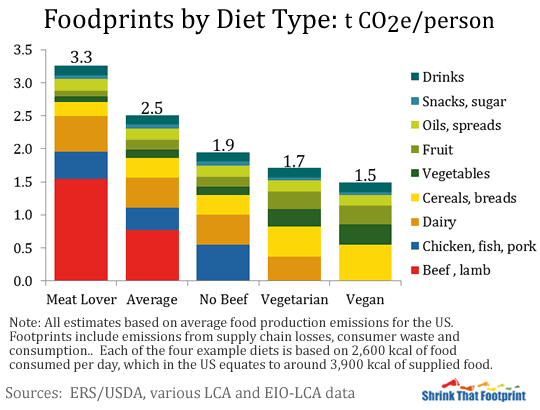
"Doing your part" and "doing small things" will not have any impact on climate change. It ignores the enormous gap between where our emissions need to be and where they are now. If you could convince everyone in America to become a vegan tomorrow, that would cut global CO2 emissions by about a gigaton. That is how much CO2 emissions went up last year alone, mostly due to China and India. Think about that: the effect of every American undertaking an unprecedented lifestyle change all at the same time would be totally wiped out by a single year's growth globally.
We lefties are frequently criticized, for better or worse, for hypocrisy. Maybe personal pro forma efforts will remove that rhetorical angle of attack.
Also, there's got to be some priming benefits, an opportunity to educate about the larger issues. However, my faith in this strategy has been rocked by failures (betrayal) of the whole recycling charade, which has served to alienate people and likely reduced future engagement.
I wish I knew what is best. Right now, I don't even have an opinion, just more questions.
"No silver bullet," is something I've said elsewhere. I don't think this article nor I have implied that if everyone went vegan then the climate crisis could be averted. I think it's a good article because it doesn't try to frame our dietary choices as a solution. It informs us of the impact of our choices and makes sure people realize that eating some meat is okay. But if you want to do more, you can, and it will have an impact -- however small -- and that's a good thing in my books.
It really wouldn't. You totally underestimate the "role model" influence the US has on the rest of the world. If the dynamics of the US market would change, all other markets would race to follow in the same direction. This would also be both supported and driven by the individuals across the globe, doing what is "fashionable." Humans are slaves of fashions, even when when is appears improbable.
Use of land per unit of output (or vice versa) is not the only important metric though, not by a long chalk. A more holistic approach is needed [1], otherwise it is back to the same as the issues that the OP attempts to address.
[1] An approach that considers equally important things like effects of pesticides, other negative effects of non-organic farming (there are other important ones, and more).
It's a deep topic and there are no simple answers, thanks for pointing that out!
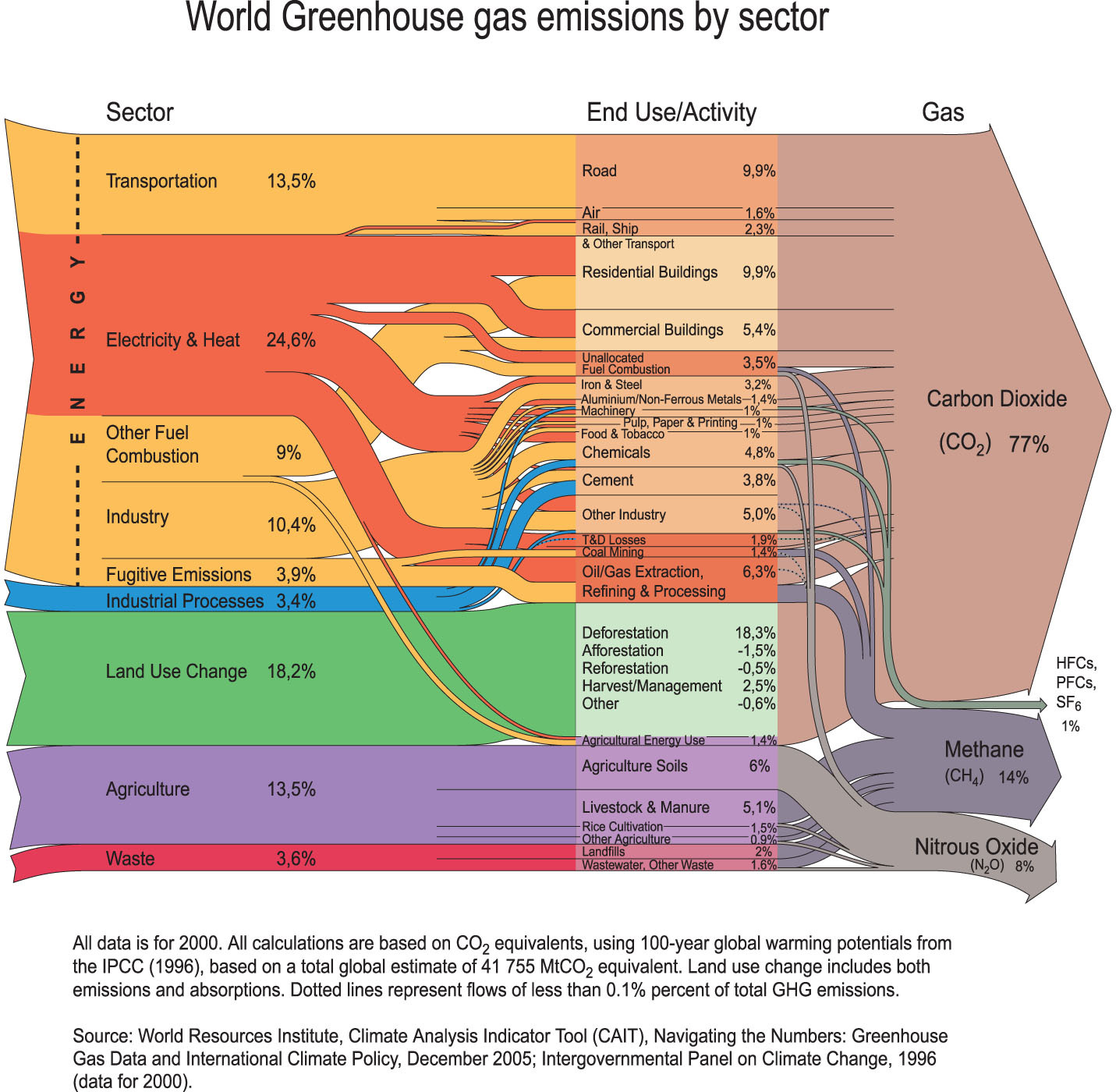
Edit: Downvoted for providing data? A new low.
The bulk of the reduction can definitely come from rich, affluent nations and have the biggest impact.
Articles like this seem important. Hiding the fact that meat/dairy production is such a huge factor in climate change hurts people more than it helps. When we all start to wonder why it isn't getting any better we need to know that there are ways we can do our part. Even if they're small things!