To some extent this is my confirmation bias, but certainly as often as not the signage is spurious and that's why people don't pay any attention to them. I suspect most people agree with the principal of the things, but every time they obey a sign whilst everyone else flies past, only to discover it was inaccurate it does affect the amount of credence future signs are given.
Essentially you are doing a "smoothing" operation if you proactively reduced your speed ahead of a jam.
Even with regenerative brakes, the regeneration isn't fully efficient. You lose energy to heat. So smoothly traveling one speed is superior.
I respect the idea, but the actual implementation feels a bit half hearted to me. They need to kick in a lot quicker and be more severe, all they seem to do is make a minor improvement and slow people down perhaps a half mile from the actual congestion.
So if the cameras work, we'll have to do exactly what they say or get fined for speeding.
The ones I was referring to are advisory and look like this [0].
[0] https://www.drivingtesttips.biz/images/motorway-advisory-spe...
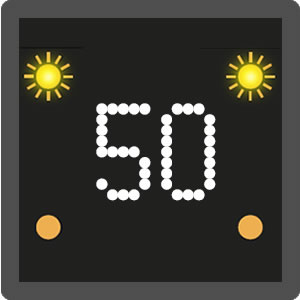
To-date, if you see a sign saying "40", that basically means there's no traffic flow and you will have to come to a stop very shortly.
If you see a sign saying "60" that means that you probably won't need to stop but you're going to slow to a crawl.
If everyone just did as it said things would probably improve massively.