The idea that smaller caliber was deliberately less effective on the basis that wounding is just as good as killing is a much later invention, and it only came about back when they switched from M193 to M855, which traded lethality for better armor penetration, and even then as retroactive justification. There's no evidence that this was ever a part of the design spec for any of the M16/M4 series, though, or any official military doctrine. Neither did Soviets consider it when designing AK74.
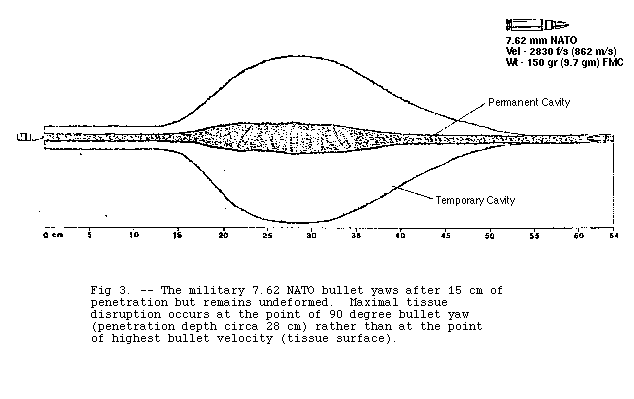
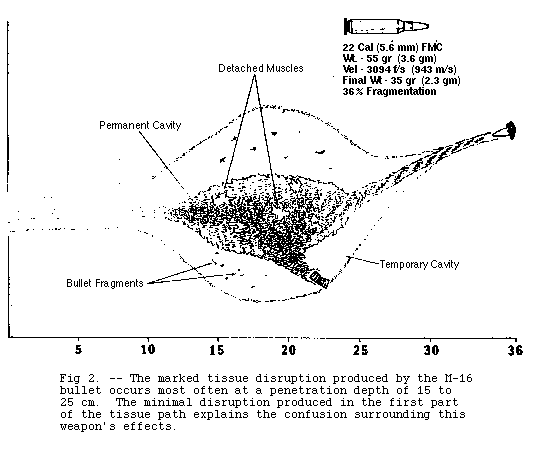
In any case, when 5.56 ammo fragments - as the original mil-spec ammo was designed to, and recently redesigned to do again with M855A1 - it produces wounds far worse than mil-spec 7.62 NATO that preceded it:
The M16's even lighter round was the result of a separate American innovation, the Small Caliber High Velocity bullet, which trades bullet size for propellant size. Even smaller bullet than the AK, but a flatter trajectory (hence the improved accuracy, helped along by the M16's interesting operating mechanism), and even lighter weight than first-generation assault rifles.
Whoever designed the M16 realized that killing the enemy wasn't really necessary. Heavily wounded enemy is as good as dead.