Over 6MB of those 10MB is just one bloated photo [1]. It can be compressed down to 1-2MB. Moreover, if it was a proper responsive image, it would not be larger than 100-200 KB for most readers because a good JPEG compressor can pull 2 bits per pixel [2].
Ironically, image optimization apps don't get that much coverage.
[1] https://techcrunch.com/wp-content/uploads/2018/05/vikbajaj20...
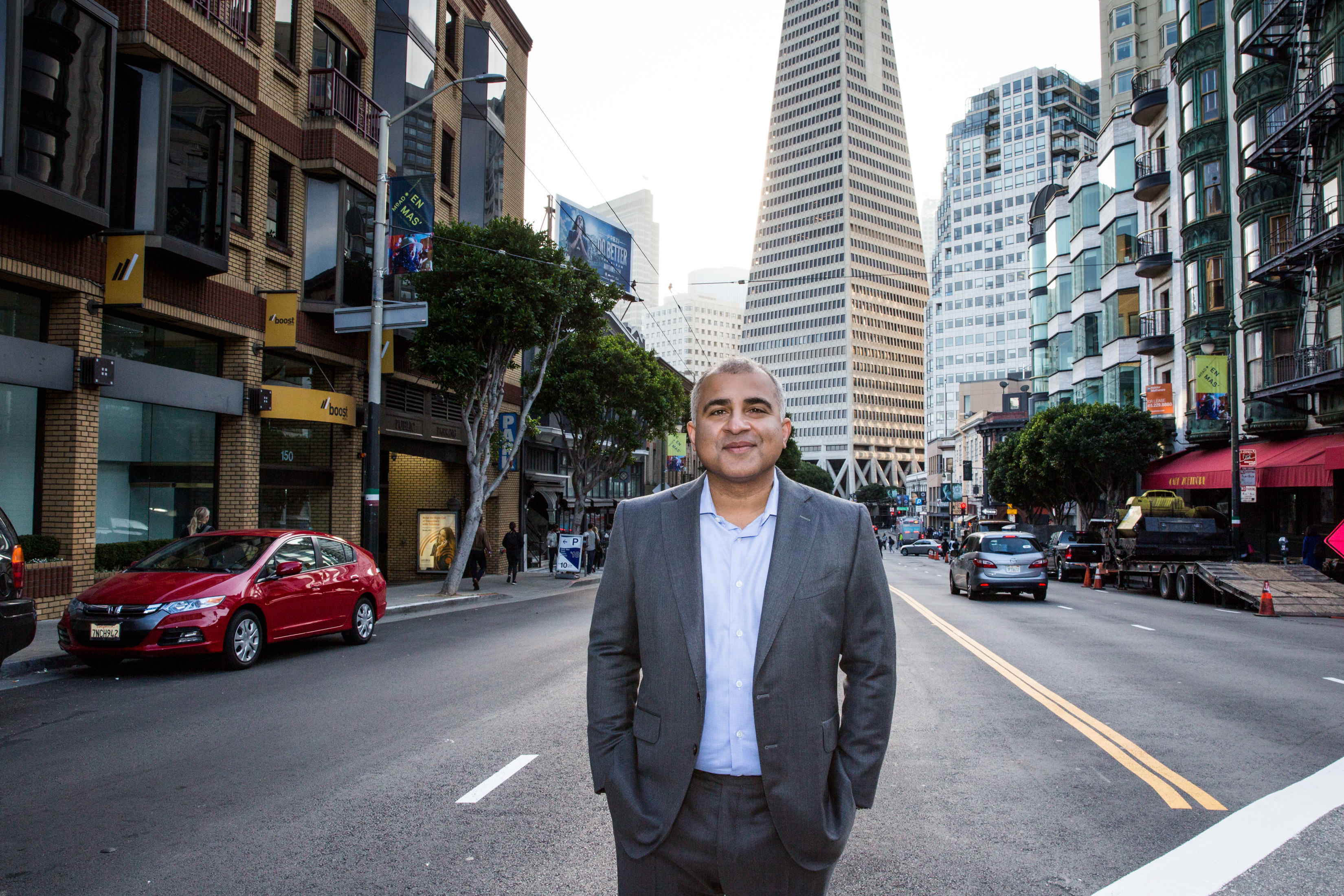
Guetzli is nice, but it's slow as balls. JPEGMini is a decent alternative. (I'm a happy customer of JPEGMini, BTW. No other affiliations.)
That image is a good example for any perceptual encoder. At 50% size it's 600KB (487KB with current master), and there's still a lot to be unhappy about, e.g. a hidpi image like that can be compressed a lot harder.
> We didn’t need paywalls on the early web because we focused on plain text from other users. Plain text is easier to produce, lowering the friction for people to contribute, and it’s also cheaper to store and transmit, lowering the cost of bandwidth.
I still want plain text, and I think there must be others like me — we just want to read what they have to say, which is more immersive than the ten megabytes of dreck they sent me could possibly be.
It was kindof upsetting to read this after having switched the article into Firefox's reader mode, because the page was completely unusable.
If you want to talk about consumers' wallets not existing in a vacuum: if your 3.5 KB article is sending me 10 megs of crap, then your mobile users' carriers are charging them more than the advertizers are paying you.
There are some real challenges in figuring out how to fund journalism, but if bandwidth is one of them you're doing something very wrong.