It's never remotely recovered, but that process is slowly starting just now. I was trying to find a photo like the one you just posted but couldn't. There's lots of examples like that where the plant biodiversity in an area where the sheep can't get to is night & day compared to the area right next to it where they can.
Which is not to say that those specific trees are old growth forest or anything like that. Icelanders pretty much lived in mud huts until after WWII in large parts of the country. If the sheep didn't get to a place like that some guy would have certainly swam over there to gather firewood. But it'll have been left alone by sheep and man in the last several decades, which as you can see makes a huge difference.
Edit: Here's an even more stunning photo of an island in the middle of a river that because of the depth of the river has been left alone by both man & grazers: http://www.skogur.is/media/frettir-2014/myndasafn-storar/Vid...

The accompanying article (in Icelandic, but it translates ok-ish) says that compared to the land around it it has a lot more biodiversity and a better topsoil, similar to other areas in the country protected from grazers that they've studied: http://www.skogur.is/um-skograekt-rikisins/vidburdir/2014/04...
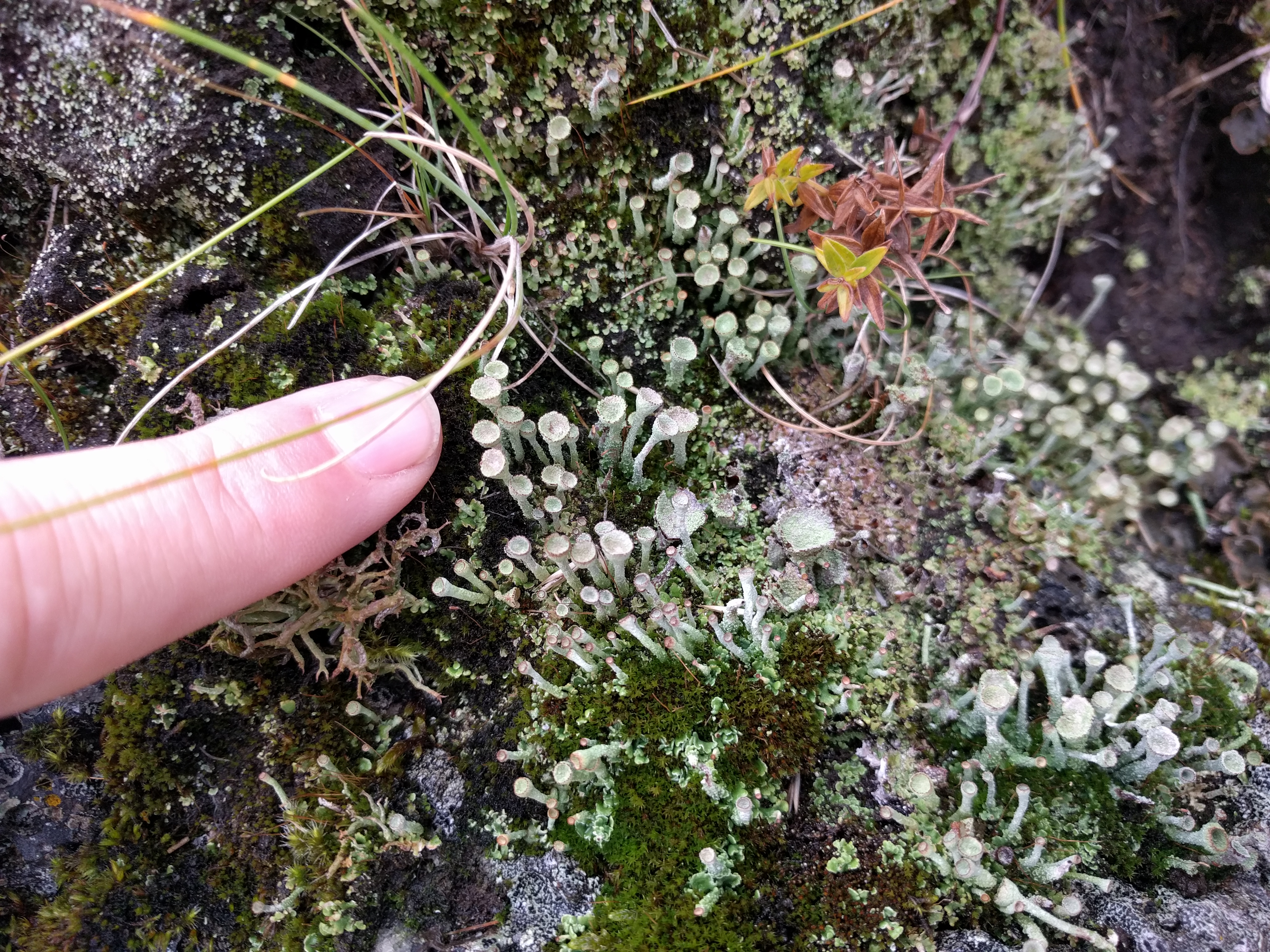
Src:Allan A. Schoenherr's A Natural History of California
https://en.wikipedia.org/wiki/Gullfoss
Images:
https://www.google.co.in/searchq=gullfoss&tbm=isch
Often when I read about Iceland, it reminds me of the Jules Verne novel "Journey to the Centre of the Earth", which I read as a kid. Good novel.
Update: Checked, that's the name:
https://en.wikipedia.org/wiki/Vatnaj%C3%B6kull
Update 2: There are some interesting points in that Wikipedia article.
This article obliquely mentions the sheep problem but only by saying:
Mr. Jonsson and his volunteers then plant the appropriate species for the plot — birch, Sitka spruce, lodgepole pine, Russian larch or other species. “We’d love to plant aspen,” he said. “But sheep really love aspen.”
Sheep may love aspen but they will eat all the other trees also. I did not realize this was the main reason there was only grass everywhere until, when up on top of the Skógafoss waterfall, there was this[1] little island in the river covered in a little mini-forest. This rocky island would not be a very good place for trees to grow compared to the nice soil under the grassy fields around it, but since nothing could graze on the island, the trees could grow up.
[1] https://njarboe.com/iceland/IcelandTreeIslandSkogafoss.jpg (The trees on this island are only about 4 feet tall)