It is though. As a language-lover and German-learner, AFAIK, no other language uses this letter. "ß", along with less exclusive "ä", "ö", and "ü" are what distinguishes German orthography from other languages.
Seriously though, what definition of "special Latin characters" are you using? Italian does just fine with fewer...
That would be wrong -- as the name suggests, W derives from U, similarly to how G, J, R, and U derive from C, I, P, and V. But it shouldn't be hard to see the intuition behind the idea that s is a "natural" letter and š is an unnatural modification.
It's almost like a lot of languages have a shared ancestry. Differences may be unusual to you. Are ș, î, or ț unusual because they don't exist in English? Those phonemes aren't common in English which is why we don't have distinctions for them, but they're important in Romanian. Not unusual at all if you're Romanian.
By your logic, 대한민국 characters are weird and unusual also, and so on...
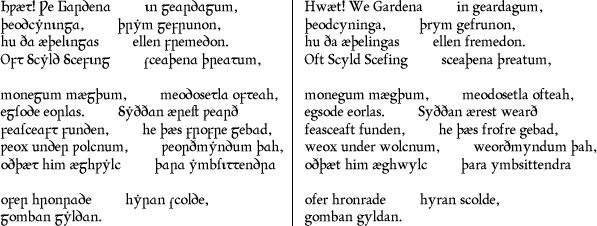
https://www.omniglot.com/images/langsamples/smp_oldenglish.g...
I agree that it does! "ß" turning into "SS" when uppercasing is awful.
>It feels like replying to some bugfix in, say, Ruby with something like "I never liked Ruby anyhow".
In this analogy, "Ruby" would be the German language. And in that case... yes, I can disagree with a bugfix if it makes matters more complicated! I can argue that something is a misfeature, like ß is. Removing it would improve the situation, especially from a technological viewpoint.
>German's not English, even though you might prefer if it was
That's kind of a low blow. "ß" is not a defining feature of the German language.