The hard part of 'fake meat' (which isn't fake, it's real muscle tissue, it's just grown differently) is that muscle alone doesn't taste good, or have a pleasing texture. You need connective tissue, fat, blood vessels... The whole lot, really. And that is a much more difficult problem.
I'm personally looking forward to it, though.
Not where nutritional epidemiology is concerned. Not by a long shot.
Like I said before, I really don't want to push anyone to try anything they don't want to. But people know how hot dogs are made ( https://2.bp.blogspot.com/-pw_CTCSkOZI/WAPJuZWaF5I/AAAAAAAAm... ), and it hasn't stopped them, so I expect cultured meat will probably take off pretty quickly once it becomes cheaper than farming.
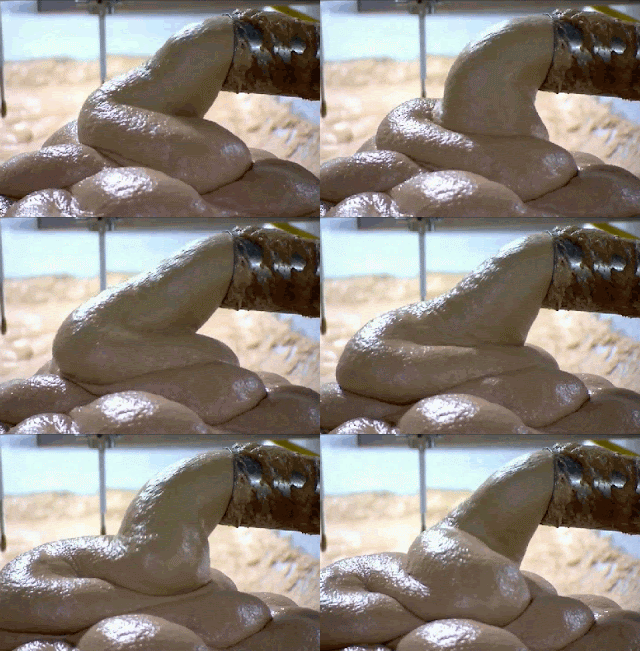
The devil is in the details, and nutrition touches upon highly complex systems. The point being, we've already seen how seemingly simple, innocuous changes to nutritional substances can have nasty consequences. To think this time is different is pure hubris.
I get your point, but you seem to be missing mine.
Cell culture is growing more of what we've already evolved to eat.
Do I want all food tested for safety? Of course. If they were creating a brand new cell line from scratch instead of using cells we already know we can eat, I would share your concern to a much greater degree.
And I think you're understating the risk of side-effects, i.e.: understating the immense complexity of biological systems.
Yours is little more than a claim of faith.
I'm very skeptical of fake meet insofar as nutrition involves highly complex systems. Surely the risk of a trans-fat-like health debacle is non-negligible ...
tl;dr: fake meat isn't a problem per se, but I sure as hell won't be the first one to eat it. I'll consider it when there's >50 years of hard data on the record.