[1]: https://upload.wikimedia.org/wikipedia/commons/d/d6/US_Navy_...
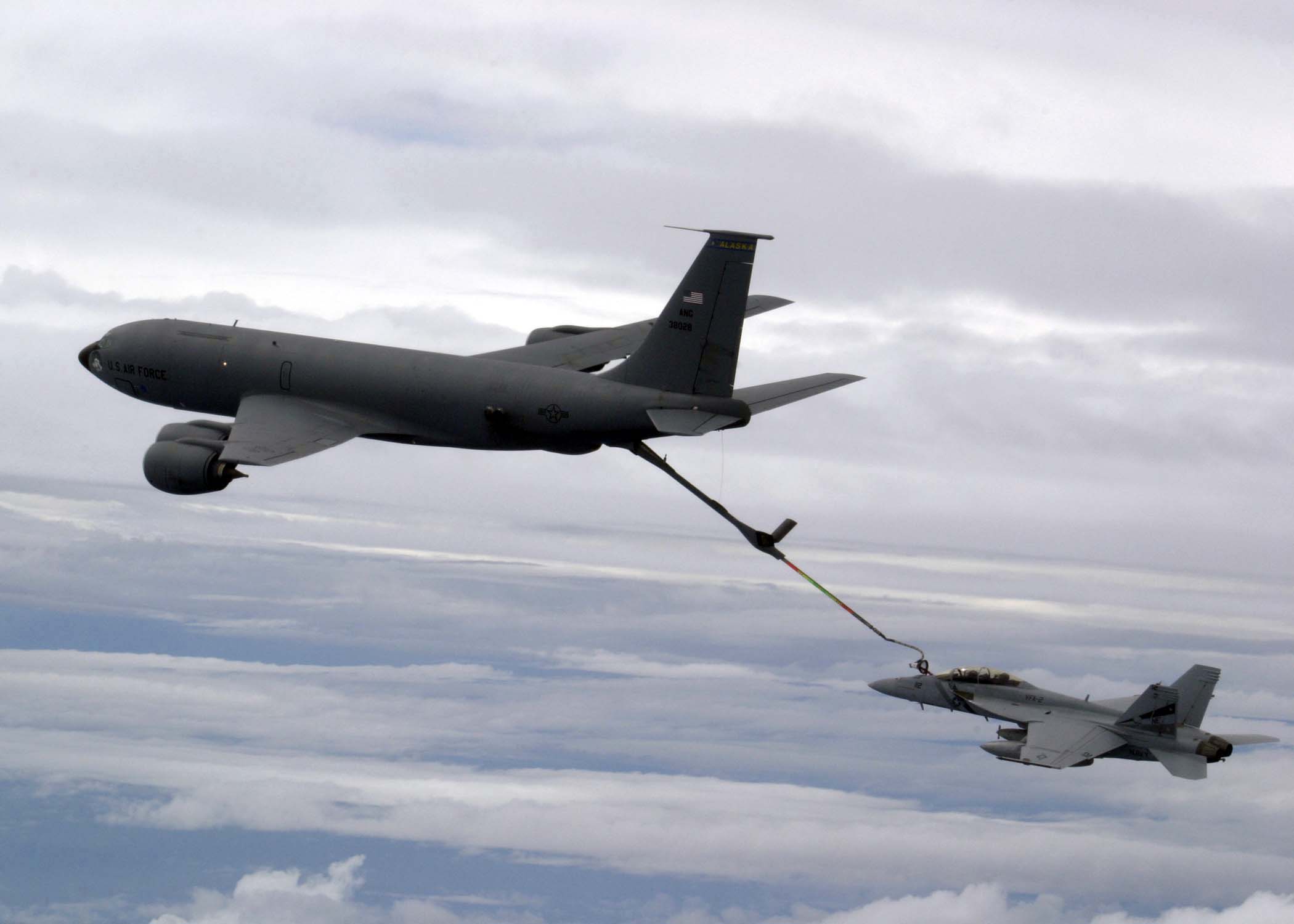
Considering the Challenger's encounter with the A380's wake, it took 1-2 minutes for the Challenger to hit the wake, so the wake probably had 1-3 minutes to make the 1000-foot descent. That very roughly fits the expected "several hundred feet per minute" descent rate.
Considering the case of refueling, the wake's motion downward is much slower than the aircrafts' horizontal motion, so it wouldn't have descended much by the time it's left behind entirely.
[1] Available for free at https://www.faa.gov/regulations_policies/handbooks_manuals/a...
https://aviation.stackexchange.com/questions/9572/how-do-air...
http://cfile29.uf.tistory.com/image/145D430D4CFE23D50A5BD0
being close is relatively safe from wortexes - there still is some other turbulence to consider, but the standard turbulent flow caused by drag is chaotic so it'll shake you but will 'even out'
I think it's also interesting to point out this is also the explanation for the trend of adding winglets to the tip of the wings.
They help reduce the wingtip vorticies, and in turn, reduce parasitic drag and improve fuel efficiencies.
[1] http://www.boeing.com/commercial/737max/737-max-winglets/
The wing is deflecting air downward to provide lift; this creates a volume of downward-moving air behind the aircraft.
There's higher pressure under the wing and lower pressure on top, so air from below tries to get above the wing at the wingtips. This causes circulatory motion, yielding wingtip vortices (see my top-level comment for some visualizations).