"Hello" is
01001000 8 (h)
01100101 5 (e)
01101100 12 (l)
01101100 12 (l)
01101111 15 (o)
And when you see all zeroes, it's probably 00100000, the space character.
http://www.docklandsljc.co.uk/2016/06/unicode-cuddly-applica...
The specific slide regarding ASCII code points is here:
https://speakerdeck.com/alblue/a-brief-history-of-unicode?sl...
01101000 is h
http://www.asciitohex.com/ try and play around with it, it's fun.
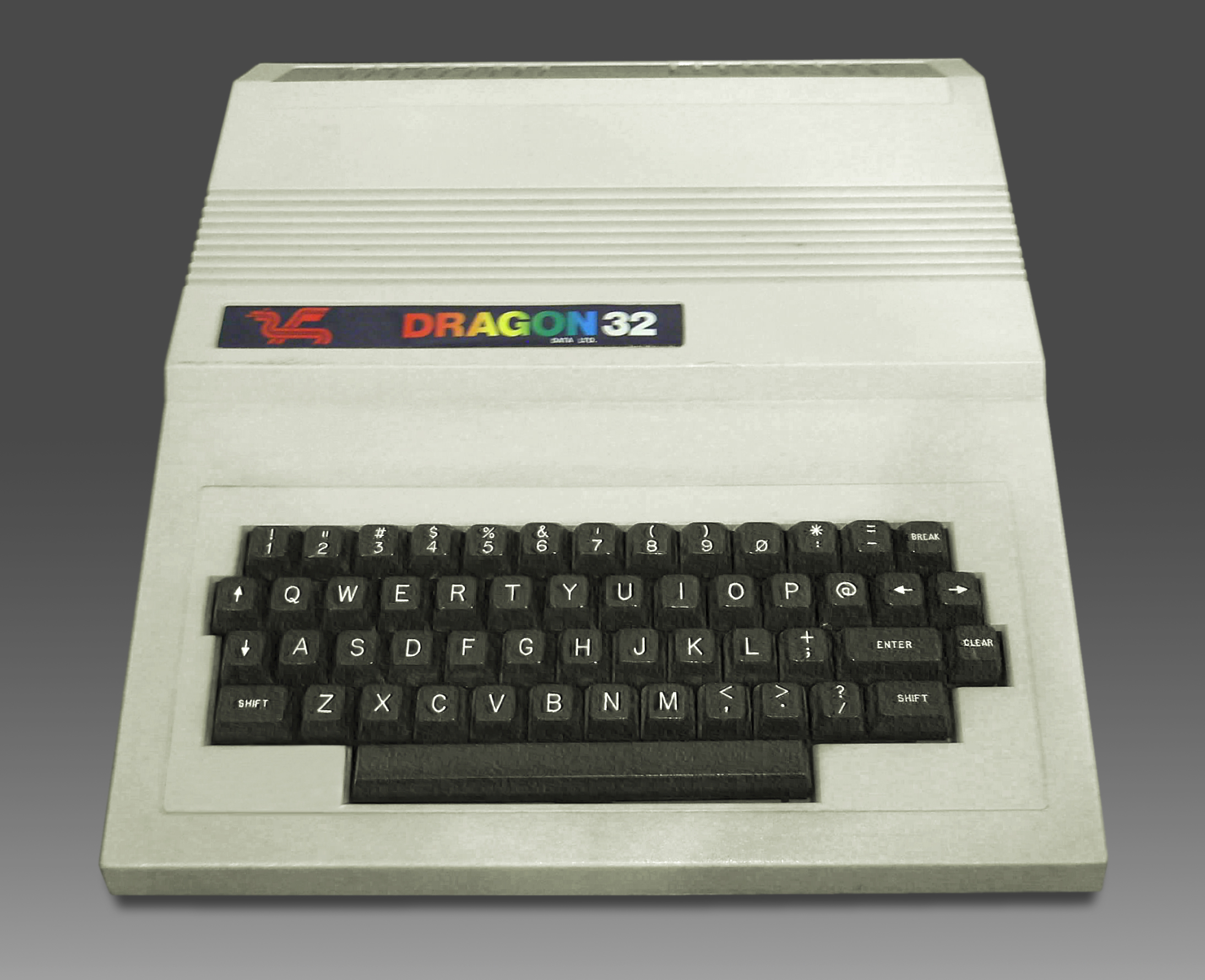
The standard US QWERTY keyboard does not quite follow this, though it is close (there's some insertions, substitutions ;)).
&[7] at 26, ([9] at 28, and )[0] at 29 are off by one in their current QWERTY keyboard positions. If we didn't have ^ and * where they are, then &, (, and ) would be in the right places to continue your pattern.
@, ^, and * don't fit the pattern at all.
I should also have mentioned this amazingly scholarly piece by Tom Jennings, that explains probably everything there is to know about where everything we've been talking about came from:
https://web.archive.org/web/20030201161943/http://www.wps.co...
Unfortunately it looks like someone else is now running wps.com so you can't get this directly at its original home anymore.
Uppercase letters are 0x40 + position of the letter in the alphabet, so "E", being the 5th letter, is 45, "I", being the 9th letter, is 49, and so on.
Lowercase letters are 0x60 + position of the letter in the alphabet, so "e" is 65, "i" is 69, and so on.
That also means that you can swap case by flipping a single bit (XOR with 0x20).
Finally, digits are 0x30 + the digit's numeric value (including 0), so the digit "5" is 35.
(All of these properties were very intentional on the part of ASCII's creators.)