JPEG 2000's approach provides successively finer detail so the entire image can be rendered after only a small percentage of the total data has been received and then it just becomes sharper as data continues to stream in. If the rollout hadn't been so unsuccessful, this would have been a great answer for responsive images since you could have a single image served (and cached on your CDN) and clients could make ranged requests for the first n bytes based on the displayed size.
If you'd ever watched an interlaced GIF arrive over a slow connection, that's exactly how it looks.
Here's what interlacing looks like, with whole areas being empty until the data is received:
https://commons.wikimedia.org/wiki/File:Adam7_passes.gif

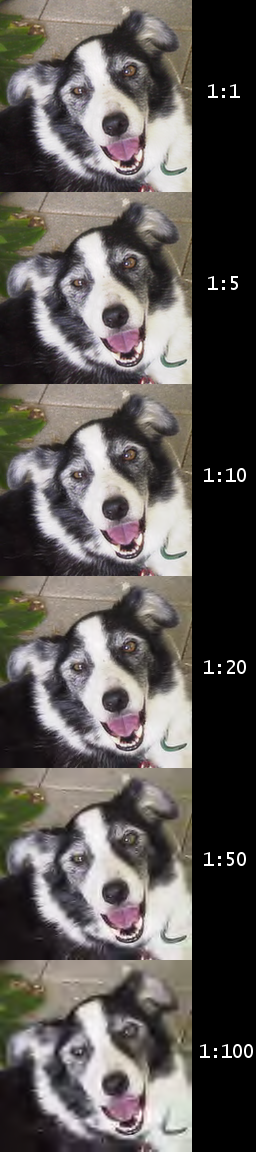
With something like JPEG 2000, you have a completely experience because the image renders immediately with less detail and becomes sharper. Using this example from Wikipedia, it'd basically start with the 1:100 frame on the bottom and rerender as data streams in until hitting the final 1:1 quality at the top:
https://upload.wikimedia.org/wikipedia/commons/7/78/JPEG_200...