nbutyllithium
I recall reading about some of them looking into it but running into issues ensuring a "clean" recycled plastic supply at the scales they need. Can't seem to find the article in my history but there's a ton of varied results I'm seeing from searches talking about the idea of recycling plastic. Example: https://www2.afpm.org/forms/store/ProductFormPublic/sum-21-3...
I think one of the main issues was, at least in the US, chlorinated plastic (e.g. PVC) ends up in the bulk supply of used plastics through negligence/malice/whatever and even at a few percent ends up creating some pretty corrosive compounds which are difficult/expensive to remove before they damage the equipment.
Looks like people are working on that issue too though: https://www.power-technology.com/features/plastic-pyrolysis-...
Ended up liking it enough that my father decided to use it to design the home he wants to build. He even found a builder who uses the pro version of the software (Chief Architect) so my father could view / tweak the model.
[1] https://homedesigner.chiefarchitect.com/
[2] They let you upload a certain number of models to their online viewer here's the basement (note not great on mobile): https://3d-viewer.chiefarchitect.com/go?share=55721013273615...
Edit: Zaroth's comment makes it sound like it's now enabled for normal autopilot use as well https://news.ycombinator.com/item?id=29598520
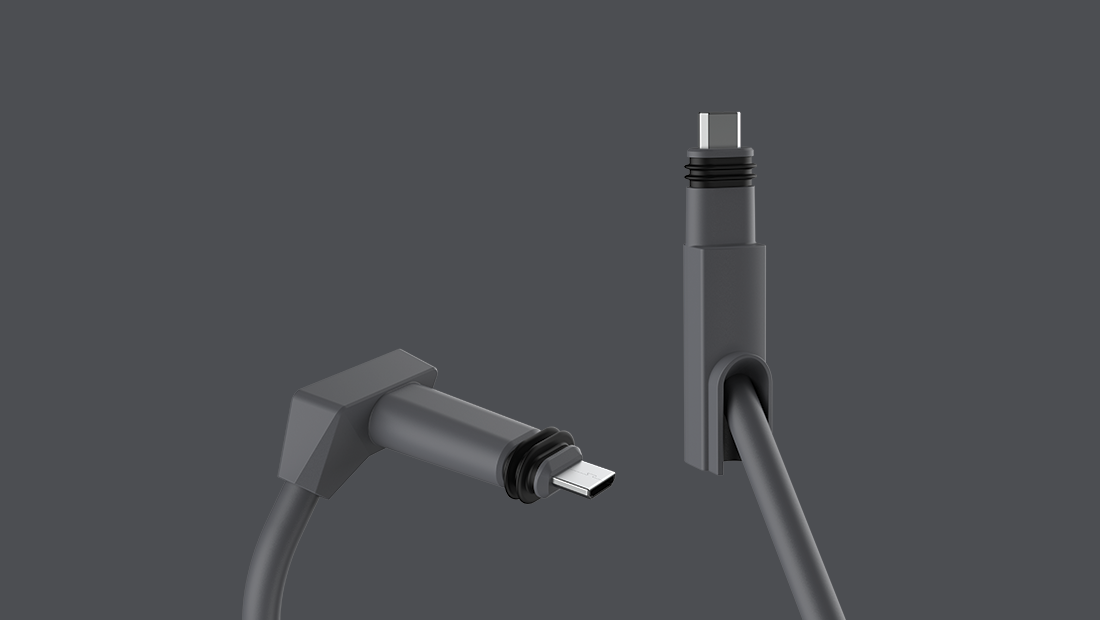
The ends look like a proprietary connection with a waterproof uh... double o-ring? I'm sure there's a better word for it and I'm blanking on it. (https://api.starlink.com/public-files/StarlinkCable_1100x620...)
When I was looking a few months ago WiFi 6E seemed too new, e.g. higher costs for the (relatively) few supported devices.
> I’m not opposed to mucking with networking, I’m technical, but also I can’t do it all the time. I’ve got day jobs. I mostly want to spend a sufficient time setting it up and then mostly leaving it alone besides painless firmware updates.
I felt similarly. Spent a while on the setup but I've tried not to (have to) touch it since.
Best of luck!
Depending on your familiarity with networking (or willingness to learn) will really influence what recommendations you'll get. For example that linked HN thread the author said "I want something simple (no DIY, no OpenWRT), I want my privacy, and no PoE." Are you under the same constraints?
Perhaps you can also clarify a bit more about your use-case. You stated WiFi 6 is desirable but not a must-have. Do you mean WiFi 6E (i.e. 6gHz) or just 6 (i.e. a flavor of 5gHz oftentimes referred to as 802.11ax or just AX). What about other factors? You mentioned mesh or "beefy." Are you in a densely populated area where you're fighting over the airwaves with your neighbors? Are your walls all made of concrete where signal penetration is poor? Or perhaps you just have a lot of square footage to cover? The first two are probably better served by more access points rather than "beefy-ness."
> Things I’m observing from reviews and comments around the internet: Mesh isn’t ready and can have mixed performance on satellites.
Advantages of mesh: they are easier to setup than a DIY system. Disadvantage: your air-gapped mesh router is basically a glorified range extender and comes with the same fundamental limitation that it's got to communicate with the main unit through WiFi. I tested some Google home mesh routers for example and they topped out at ~300 Mbit/s even 6 feet apart (plus they required privacy concessions for more "advanced" features like setting up a guest network).
> ASUS has quality control and customer support issues, but if you’re lucky they can be good.
I'm afraid that seems to be a common theme among other brands as well.
> Ubiquiti sounds good or terrible depending on who you listen to.
Generally I found the consensus to be they at least used to be quite good, now it's debatable especially since you stated privacy as a concern (see many HN submissions about it, https://news.ycombinator.com/item?id=21436356 for example).
The reason why(/long answer) is that as it cools the air the humidity in the air (i.e. water vapor) will condense into liquid water. Water requires a fair amount of energy to be removed (known as latent heat) to make this change and none of that energy removed actually changes the temperature of the air (all of it goes into changing the phase of the water). Therefore a high humidity load results in a lot of the cooling potential getting "used" up removing humidity first.
*https://www.displayfusion.com/ScriptedFunctions/View/?ID=226...
While I cannot comment on how it stacks up to Total Commander, I've ended up liking it quite a bit.
https://www.comsol.com/blogs/a-simulation-color-table-for-en... - midway down the page.