Then why does design move on, evolve or change about-face? Also how do you know that your design is good, and will stand the test of time? I think what you're witnessing is design that still appeals to your modern tastes. This I attribute more to luck than some superior logic.
"design aspires to a Platonic ideal of simplicity, function and form"
If you believe that than you're throwing out an entire category of design that isn't simple. Some design is incredibly complex ..even messy yet at the time it's considered beautiful and rich because it reflects and invokes human emotions of the time.
Simplicity can stand the test of time because it lacks elements that we associate with the time which can fall out of taste. That doesn't make it better, it just makes it ... simple.
The best design reflects the current tastes of your audience, it does not need to be timeless or even make sense to future generations. Good design evokes an emotional response and that response is dictated by many factors which take into account context.
The Eames Lounge Chair was designed in 1956. At no point since then has it looked dated. And it never will. It's timeless (and comfortable as well). http://www.hermanmiller.com/products/seating/lounge-seating/...
Its difficult to make timeless work with software because the capabilities and mediums change so rapidly. But we'll get there eventually.
http://ecx.images-amazon.com/images/I/41a30HNuKeL.jpg
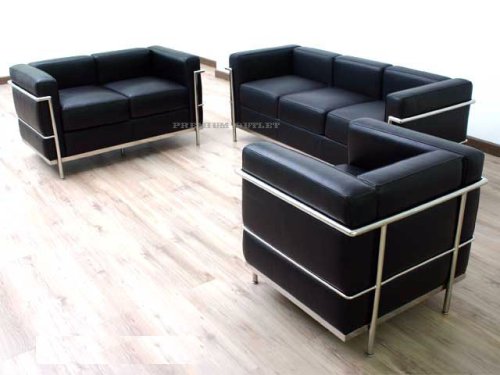
To the people discounting timeless design: yes most of contemporary industrial design is disposable, but some pieces from Braun and Apple will be considered classics.
I would never pay for a Picasso or a Van Gogh to hang in my house (because it's would be exorbitant and) because it doesn't evoke positive emotions when I look at it. Norman Rockwell does just that and he has since I was a kid, does that make his art better than Picasso's? Not to most people.
Just because ideas about how a chair can be designed remain popular doesn't mean that it stops being subjective.
Even using Steve Jobs as an example doesn't work. The design of the iPod/iPhone has changed drastically in just 10 years. I don't consider my 2nd generation iPod as "timeless". I can admit that it was great 10 years ago but today it's not so much.
That being said I do believe there's elements of science in design. The golden ratio perhaps or using concentric circles. It seems plausible that those could be less taxing on our vision to look at.
I don't know if that applies to flat design though.
I agree here too, but I don't think these concepts are enough to influence every generation of design.
I think it's wonderful that there are artists creating right now that have never heard of prior art or scientific principles like the golden ratio. Just think how hard it would be to create innovative art with an entire list of per-requisites and scientific requirements.
I think design aspires to a Platonic ideal of simplicity, function and form, but that the fashions of the time influence how that aspiration is expressed.
It's why Steve Jobs and his vision were so successful in my opinion, paring the complexity of modern consumer electronics and attendant functionality back to what a user actually wants and needs from a device. If you disagree, I'd be interested to hear why (re: simplicity, not so much Steve Jobs) as I use external opinions to shape and refine my own.