It almost seems like Polish was optimized for reading/writing and correctness, and English for talking and speed.
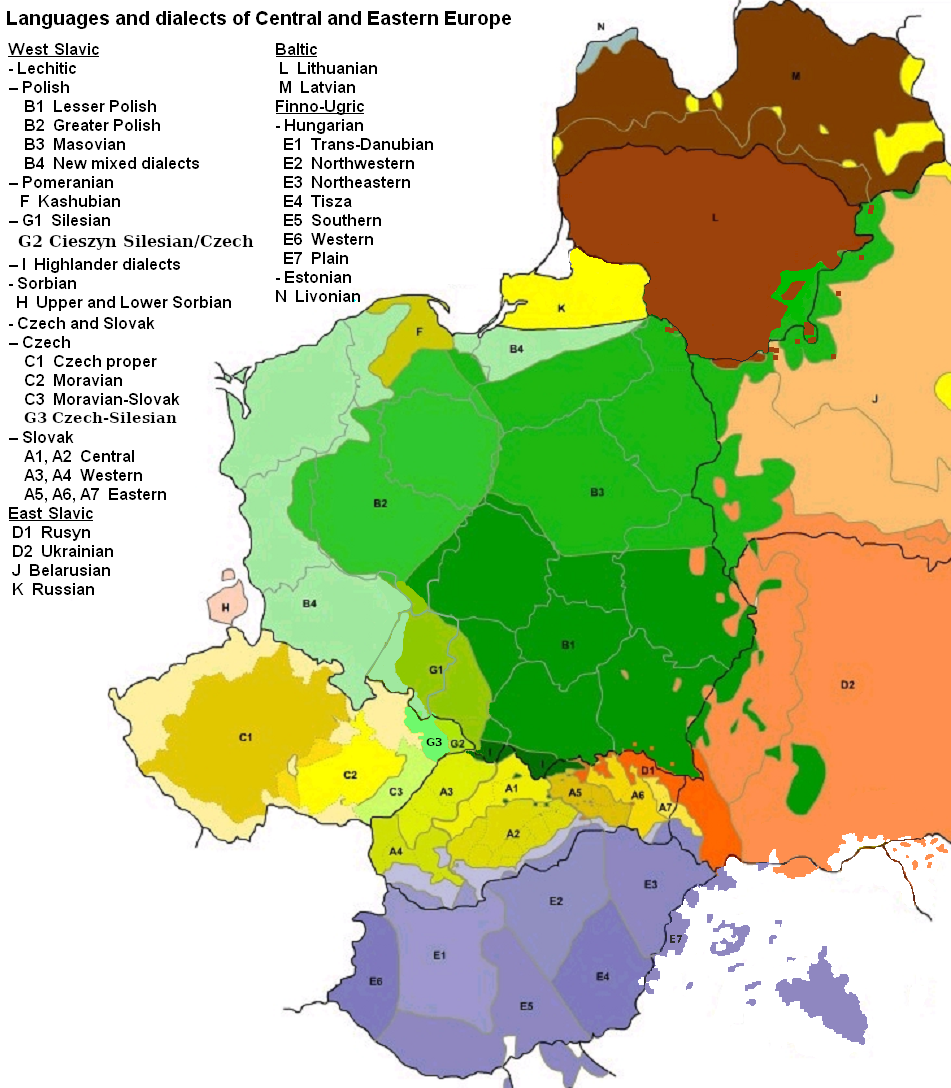
For example we have flexion system working smilary to that in sanskrit (you glue up pre and postfixes to the word to change the tense, mark the gender of the actor (mandatory), or depending on the case of the noun). German has sth similar only in a few places (past tense), and in concatenating nouns together. Most of the time word order and "keywords" decides on the tense, like in English. Polish have 7 cases (1 rarely used), sanskrit has 8 (1 rarely used), German has 4 IIRC.
Polish only recently (a few centuries ago) lost dual plurality that exists in sanskrit, and we still have relicts of that in many places, like proverbs, names for body parts, the way nouns change with numerals, etc.
And these all things aren't specific to Polish - almost all Slavic languages share them. I've also heard Lithuanians say their language are even more similar to sanskrit.
Sure! Long multi-phoneme words with all the tense built in... the wordcount will be low. I meant semantically verbose, roughly: "average minimum unit of well-formed expressible information". In this facet, I found Sanskrit far worse than even Latin.