In a single-track system 24/7 operation is not possible: they need to be able to power-down the track for maintenance.
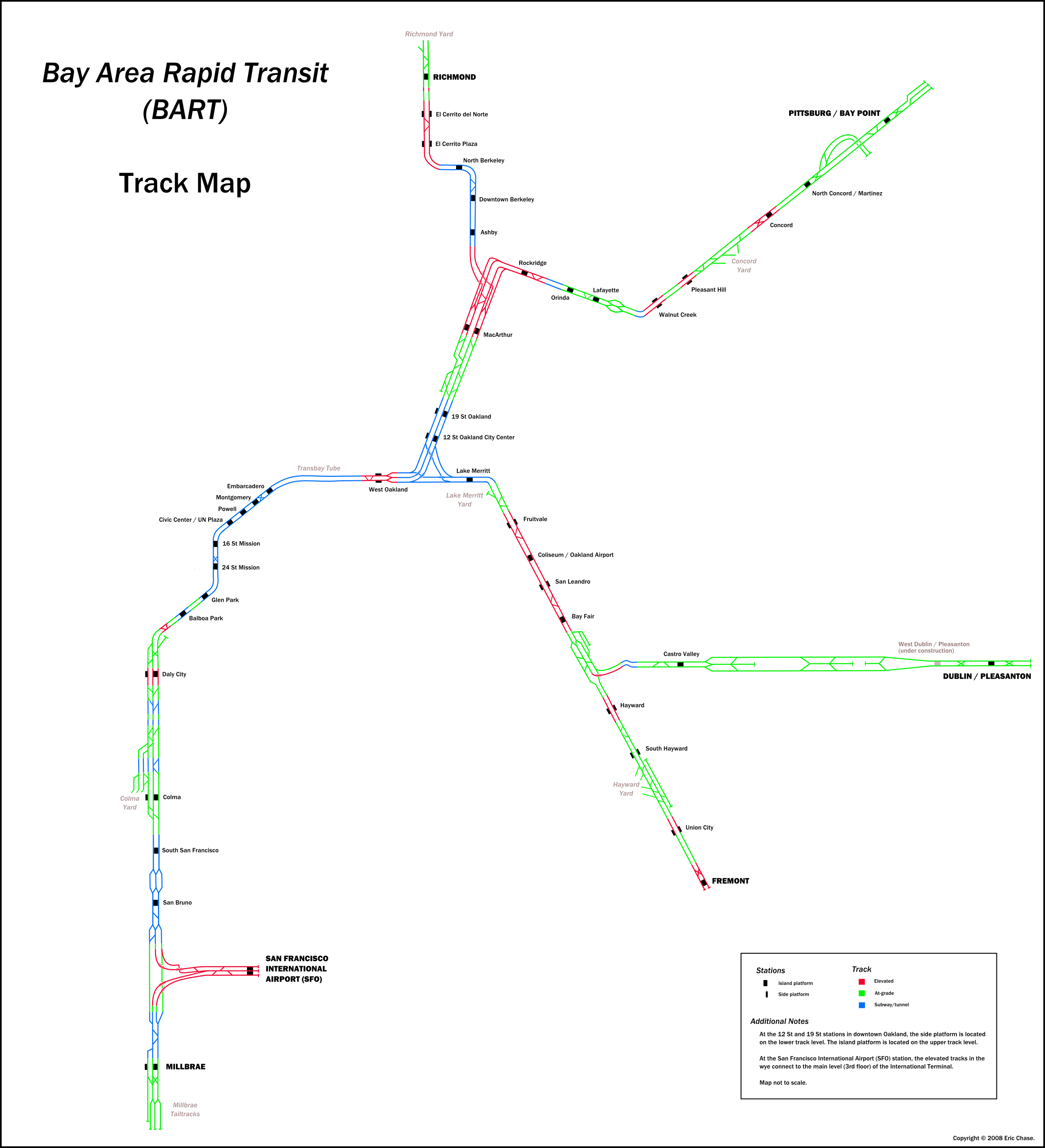
That's consistent with my recollection riding BART. Shutting down one of the two tracks for unexpected daytime maintenance ("single-tracking") is a common source of delays, since in single-track mode the system can't run nearly as many trains per hour due to the need to pass at specific points. But it can still run some trains, probably enough for a night service.
You can research this but I'm not going to do that for you. I'm comfortable that I'm correct, if you're not, well, meh. It's not personal, I'm sure you can understand.
And to your original point -- the engineer driving the train is a fraction of the cost of keeping the system running. Even if BART was dual-tracked, the salary of the engineer doesn't hardly move the needle on their costs, which include: Salaries of station agents and security, additional maintenance and wear-and-tear, janitorial (including dealing with higher janitorial costs between 2AM and 6AM than other 4-hour periods due to the nature of overnight passenger traffic), baseline power costs to keep the power rail hot at 1000+ volts over 100+ miles of track, etc.
In a single-track system 24/7 operation is not possible:
In double-tracked systems, there are crossovers (typically located near stations, but they can be anywhere) or switches to storage tracks that allow traffic to be routed along single tracks as necessary to allow track segments to be taken out of service.