If the only goal is to prevent forest fires, then in theory you could just send a hoard of people in to gather up all the dead wood at the end of each season, pile it up and have some nice fall bonfires, which might be fun. The main issue is the terrain harsh and would be very time-consuming.
In CA, there is a lot of shrubbery that turns brown and grasses.
Second, (west coast) forests that have not burned in a while look like a big brick of plant matter. Mostly living, dense, from ground to 30 feet high of plant matter that will combust when it is dry, windy, and a fire that is plenty hot to even burn the roots several feet deep.
as an avid outdoorsman, please explain this. I’ve never seen a “brick of plant matter”.
I have seen overgrown shrubs and grass, but I’ve never seen the forest form a compressed brick of plant matter.
Also if plants are living they have water in them.
For example, on this site: http://willhiteweb.com/washington_fire_lookouts/miller_hill/...
This image: http://willhiteweb.com/washington_fire_lookouts/miller_hill/...
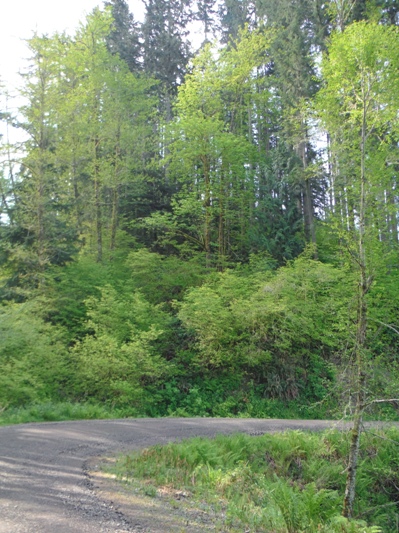
I've seen unburned forests where that undergrowth is more dense and taller. The more time, the more that underbrush thickens and grows. Eventually there is an old growth forest and that stuff is shaded out. AFAIK that process plays out o er centuries. We're typically in the first century of growth for west coast forests (few old growth forests remain)
Compare for example with these images of a post-burn forest: https://www.nytimes.com/2018/09/25/nyregion/nj-pine-barrens-...
I'm not opposed to prescribed burns, either, I think they are totally necessary. But do them in the fall, when you've got nothing but rain and cool temperatures for the next 6 months, instead of weeks before the hottest and driest stretch of the year.
As to why they burn in early summer, they said at a community meeting it's because it requires fewer people to manage the fire.