Most diesel cars equipped with EGR also detect its (frequent in older cars) failures, but I suppose it's possible to have a fault without it being detected.
EGR is responsible for recirculating exhaust gases back into the intake primarily to increase efficiency, but a nice side effect is that it heats up the engine a lot quicker.
Also, many diesel cars sold around here since 2000 or so are equipped with a resistance heater that kicks in when the engine is cold. Perhaps that's different in other markets.
Efficiency does not need EGR. EGR only helps to keep NOX down when running efficiently. In some (many) vehicles EGR is disabled at cold temperatures.
You may want to look into oil that flows better at low temps in winter based on what temperature your engine eventually reaches when it is fully warmed up. There is a good chance that your engine will work better with different oils for winter and summer, also if you have an older car you may get some mileage out of blocking off a piece of the radiator.
The number on the right is in the manual and you only change it when you go to the track.
Atm you're running a lighter oil than your car is designed to use and it's very likely to be a bad idea.
In the video you linked the only oils you can compare in the way he is comparing them are the 0w-20 and the 5w-20.
Later edit: I've watched that and since the tests the oils only at cold temperature it is entirely inconclusive wrt protection at operating temperature.
And cooking test is just dumb. Your oil rarely above operating spec. The only oil exposure to above spec temps is the oil in the top side while the engine is cooking after being stopped, and the oil in the burn chamber which burns and is then filtered out.
If you want to know how your oil is doing collect it after a service interval and send it to be tested.
The latter is also useful to check for impending headgasket doom (or cracks) before it is otherwise visible.
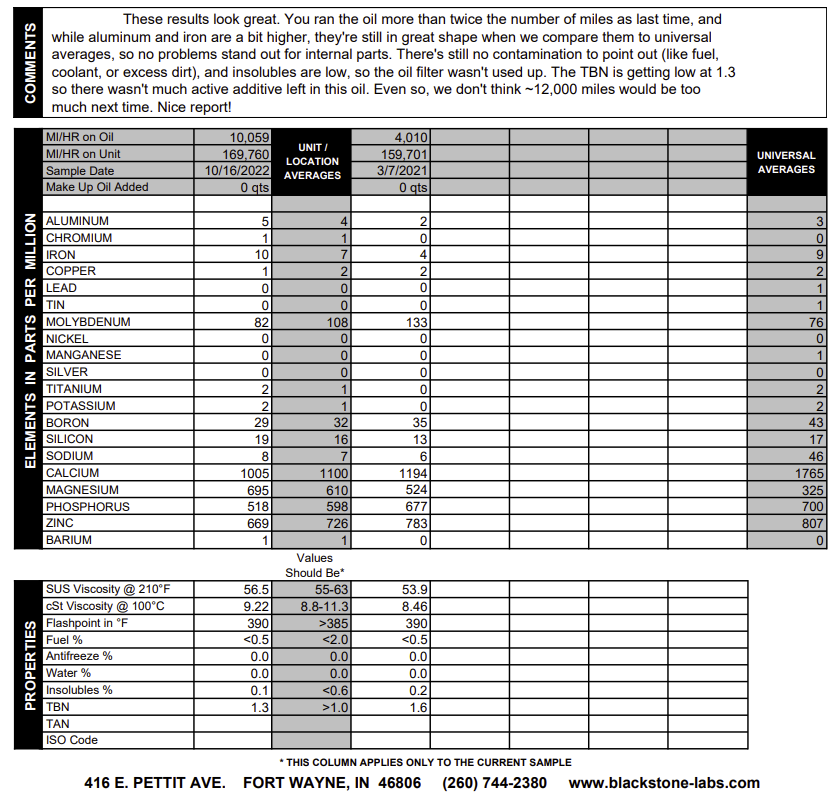
The cold starts aren't great for driver comfort, but don't seem to have a big effect on engine internals.
On my car even with the 0W30 in it in winter the oil pressure starts almost at the top of the scale and as the oil warms up it drops, by the time it is warm enough at idle it sits at the lowest point on the scale + 1 unit. If I use the more sluggish summer oil for too long in winter I'll see it peg the needle on the oil pressure meter, and I have no idea how high it really is. So there is a substantial difference between the two, running temp is more or less the same when the engine is well and truly warmed up.
I live on the top of a hill, so the first seven minutes or so of me driving anywhere is coasting at minimum engine power. Once air temp gets below 10C it's a long, slow painful wait for the vents to start blowing warm air. Especially unfortunate when you're waiting for the defroster to start doing something. I've considered installing a block heater, even though it wouldn't be needed to start the engine at all, just to warm the coolant up!