Fertiliser is called NPK, named for the main chemical ingredients, which come from factories and mines on distant continents.
This gadget is very industrial: https://upload.wikimedia.org/wikipedia/commons/thumb/3/39/Ka...
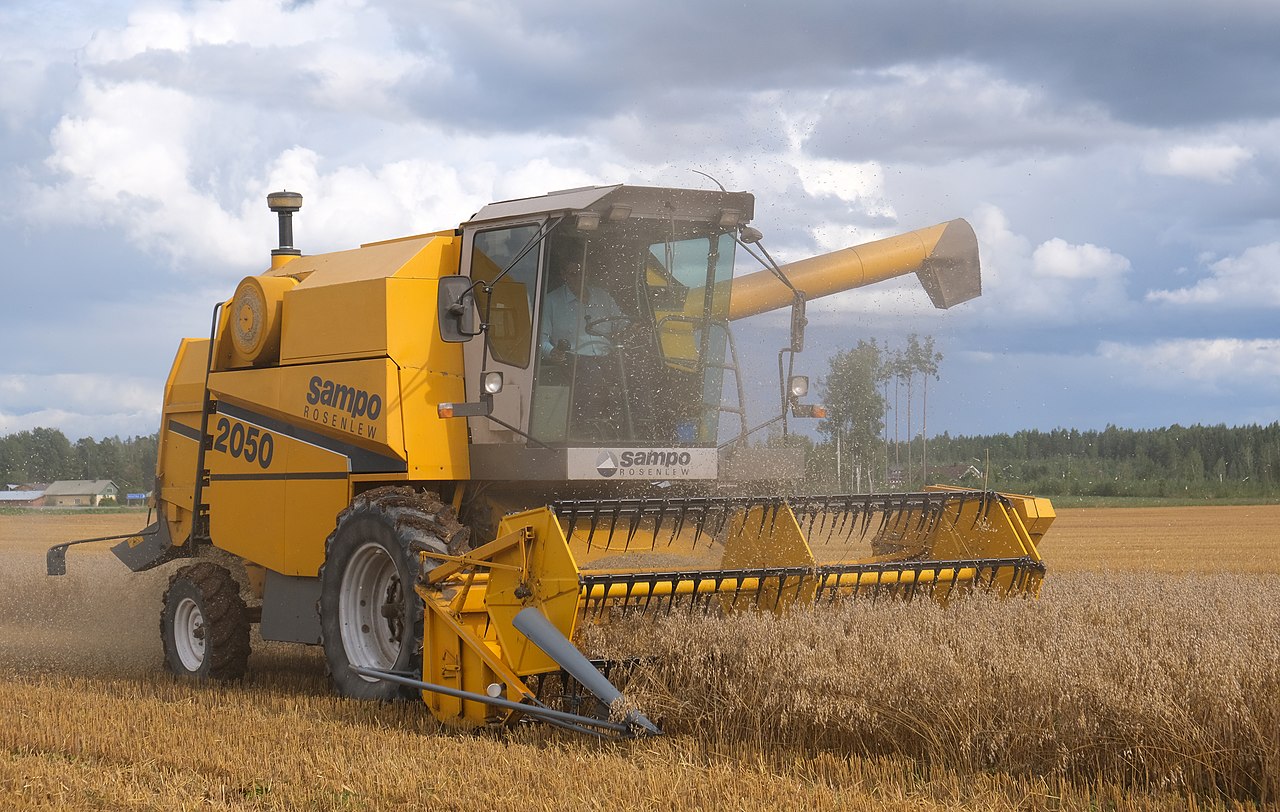
The use-by date of flour is generally a few weeks or up to three months depending on the kind of flour and the climate. Providing fresh flour all year requires a bit of technology, too. Not nearly as much as collecting N, P and K and producing fertiliser, but not zero either.
>In sunny countries such as Nigeria, South Africa, and Bangladesh, there is sufficient endogenous vitamin D due to exposure to the sun. However, [Rickets] occurs among older toddlers and children in these countries, which in these circumstances is attributed to low dietary calcium intakes due to a mainly cereal-based diet
If you treat food as simple calorie numbers, you end up with deficiencies with very bad consequences. This is just an example that I found interesting.
Well, there is, for example, flour ?