Re:Python’s tug of war between beginner-friendly and advance...
by Groxx on Thursday February 04, 2021 @09:09PM
(#26032253)
Zip is just "pair each x with each y". Literally:
  [1,2,3,4]
  [5,6,7,8]
  # go down each column, yielding these in order
  [1,5]
    [2,6]
      [3,7]
        [4,8]
The example is sorta obtuse at a glance[1], but this: `zip(xs, xs[1:])` equates to this:
  [1,2,3,4]
  [2,3,4] # copy and drop the first element
  # outputs columns
  [1,2]
    [2,3]
      [3,4]
But yeah, I have seen some very confusing uses of zip before sitting and thinking for a bit. TBH I think much of it is just familiarity though - after seeing a million `for (i=0;i<thing.len();i++) { ... }` I can pattern-match and figure this out easily:
  for (i=0, l=thing.len(); i<l-1; i++) {
    list.push([thing[i], thing[i+1]])
  }
[1]: I'm guessing it's the equivalent of finding the largest "gap" between a bunch of sizes of things.
Re:Python’s tug of war between beginner-friendly and advance...
by floxy on Friday February 05, 2021 @01:18PM
(#26039442)
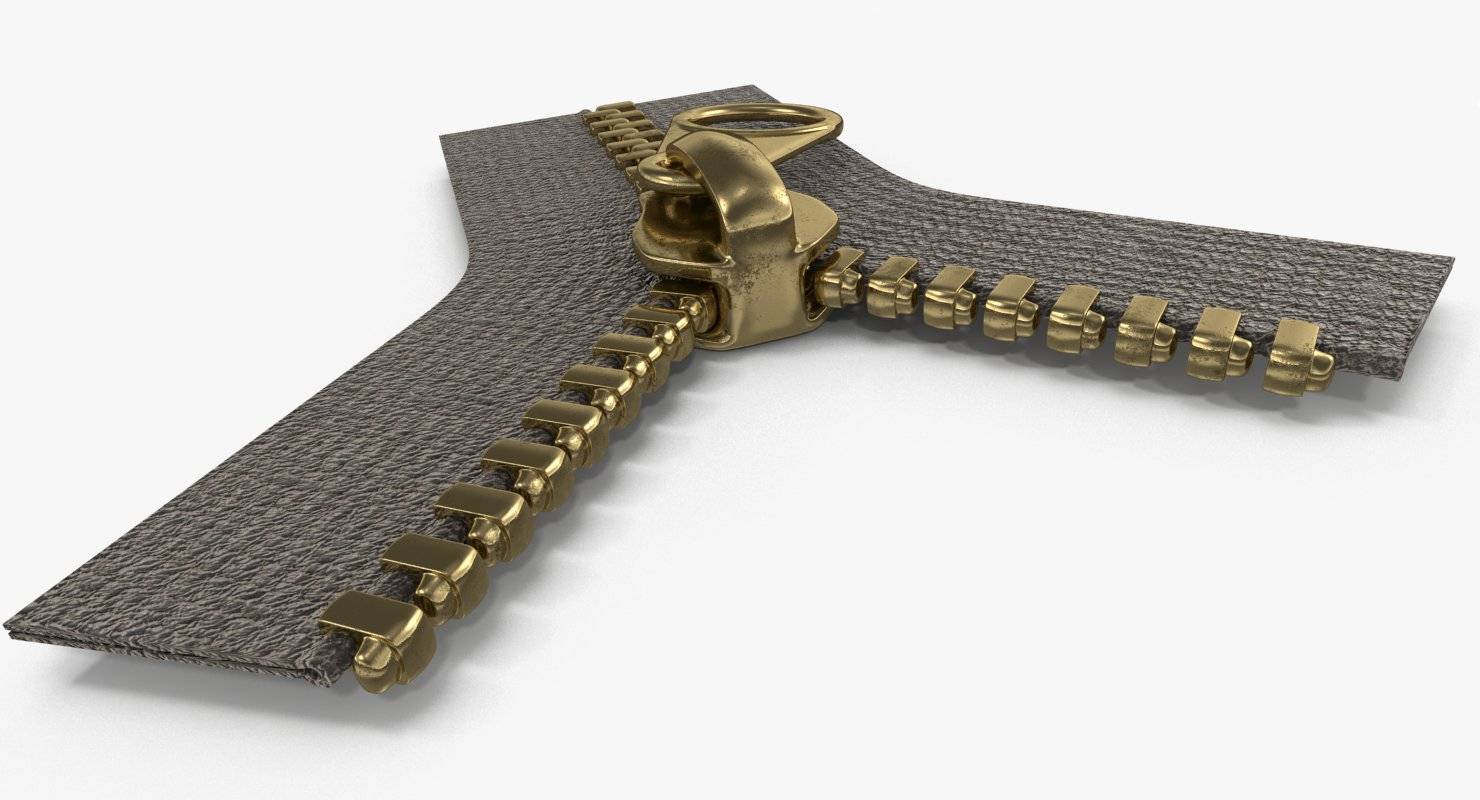
Think of a physical zipper, where the two sides with the teeth come together to interlock...
  xs = [1,2,3,4,5,6,...
  ys = [a,b,c,d,e,f,...

  [    (1,a),
       (2,b),
       (3,c),
       (4,d),
       (5,e),
      |6| |f|
     |7|   |g|
    |8|     |h|
    |9|     |i|
    |0|     |j|
     .       .
     .       .
     .       .
  ]
I’m fine with most of the rest of Python’s functional-style iterable helpers. But something about zip just doesn’t work for me.